The global energy market has been choking since late February, and honestly, we've all been waiting for the other shoe to drop. The conflict between the US, Israel, and Iran turned parts of the Middle East into a direct combat zone. It sent oil prices through the roof. Now, the geopolitical chessboard is shifting dramatically.
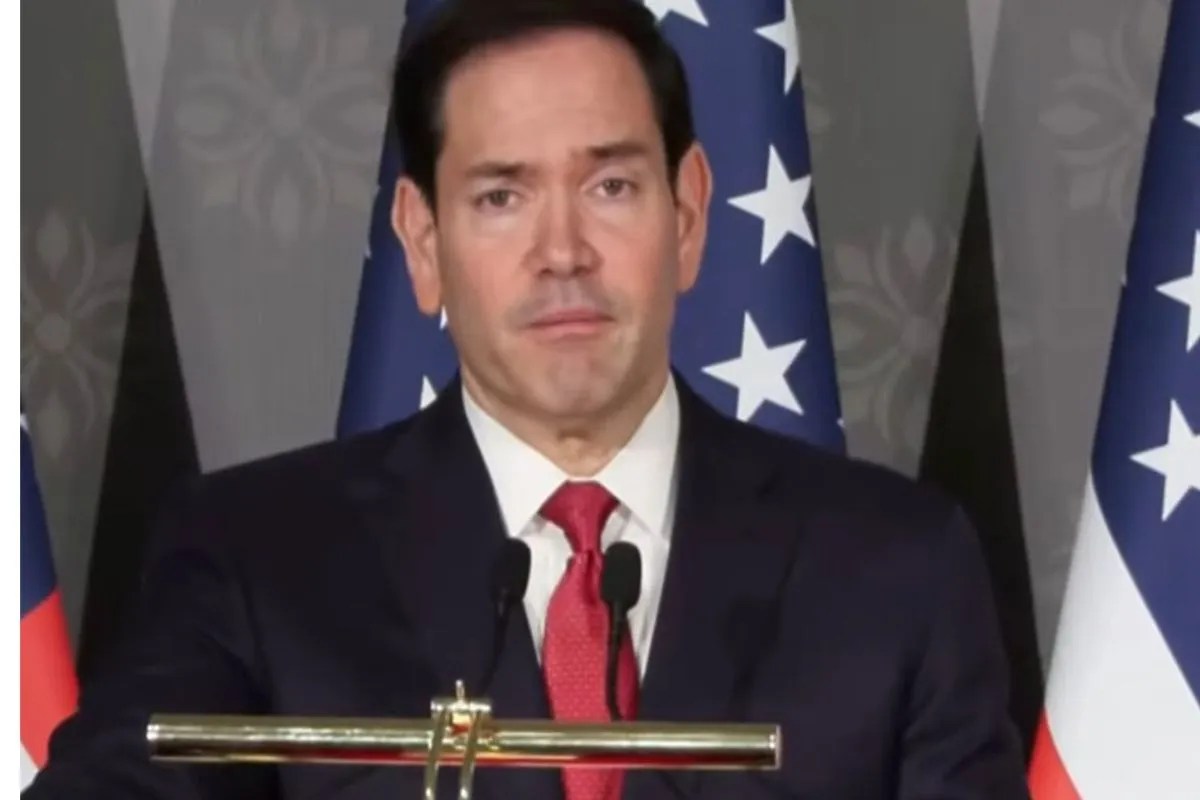
US Secretary of State Marco Rubio just dropped a massive update from New Delhi during his official visit to India. He stated that the world might get some "good news" regarding a potential peace agreement with Iran within a matter of hours. This isn't just standard diplomatic optimism. It comes right after President Donald Trump announced on Truth Social that an agreement has been largely negotiated.
For anyone paying attention to the global economy, this development is huge. If you're wondering what's actually on the table and whether this truce will stick, let's break down the mechanics of what is happening behind closed doors.
Inside the Sixty Day Peace Framework
The core of the deal revolves around a proposed 60-day ceasefire extension. Pakistan has been quietly driving the mediation efforts, with internal support from regional players like Saudi Arabia, Qatar, and the United Arab Emirates. Pakistani military and diplomatic channels have done the heavy lifting to bridge the massive trust gap between Washington and Tehran.
The immediate transactional elements of the draft agreement are straightforward but high-stakes.
Iran wants the US naval blockade lifted immediately. They want to reopen the Strait of Hormuz to restore regular maritime traffic, and they need to resume selling their oil to stabilize their collapsing economy. On top of that, Tehran is demanding the release of billions of dollars in frozen foreign assets currently locked up due to international sanctions.
Washington, on the other hand, is demanding strict concessions regarding Iran's nuclear capabilities. The US administration wants Iran to turn over its estimated 440 kilograms of highly enriched uranium. Under the current draft framework reported by Agence France-Presse, Iran would agree to relinquish this stockpile during a subsequent 60-day negotiation phase. The initial Memorandum of Understanding would serve as the bridge to get there.
The Friction Points Holding Up the Final Sign Off
Don't pop the champagne just yet. While Rubio is teasing an announcement within hours, Iranian media outlets like Tasnim and Fars indicate that major friction points remain over specific clauses.
The biggest hurdle is the timeline for the nuclear program. Iranian officials want to defer discussions on their domestic nuclear enrichment to a later date, arguing they have a right to peaceful nuclear energy under international treaties. Trump has already publicly stated that the US intends to take control of that highly enriched uranium and destroy it. That's a massive ideological gap to close in a few hours.
The draft does stipulate mutual non-aggression. The US and its allies would pledge not to attack Iranian assets, and Iran would promise not to launch preemptive strikes or use its proxy networks to target American interests in the Gulf.
The Regional Fallout and Netanyahu's Move
While Washington and Tehran haggle over the text, Jerusalem is on edge. Israeli political and security circles have reportedly entered a state of high alert. Prime Minister Benjamin Netanyahu has convened urgent security meetings because of deep concerns that a fast-tracked US-Iran deal might sideline Israel's long-term security demands. Specifically, Israel wants a permanent elimination of Iran's ballistic missile manufacturing capabilities, not just a temporary pause on enrichment.
If you look at the broader picture, this deal is a tactical pause for both sides. The US is facing real limitations in its defense manufacturing capacity, a reality Rubio openly acknowledged earlier this year when discussing interceptor missile production constraints. Iran's economy is bleeding from the naval blockade and restricted oil sales. Both nations need a breather, even if their long-term goals remain entirely incompatible.
The next few hours will determine if global shipping routes open back up or if we head straight back into an active combat cycle. Watch the energy markets closely today. If Trump steps up to the podium to confirm the signed Memorandum of Understanding, the immediate threat of full-scale regional escalation drops significantly. If the talks collapse over the nuclear clauses, expect the US Navy blockade to tighten and military strikes to resume almost instantly.