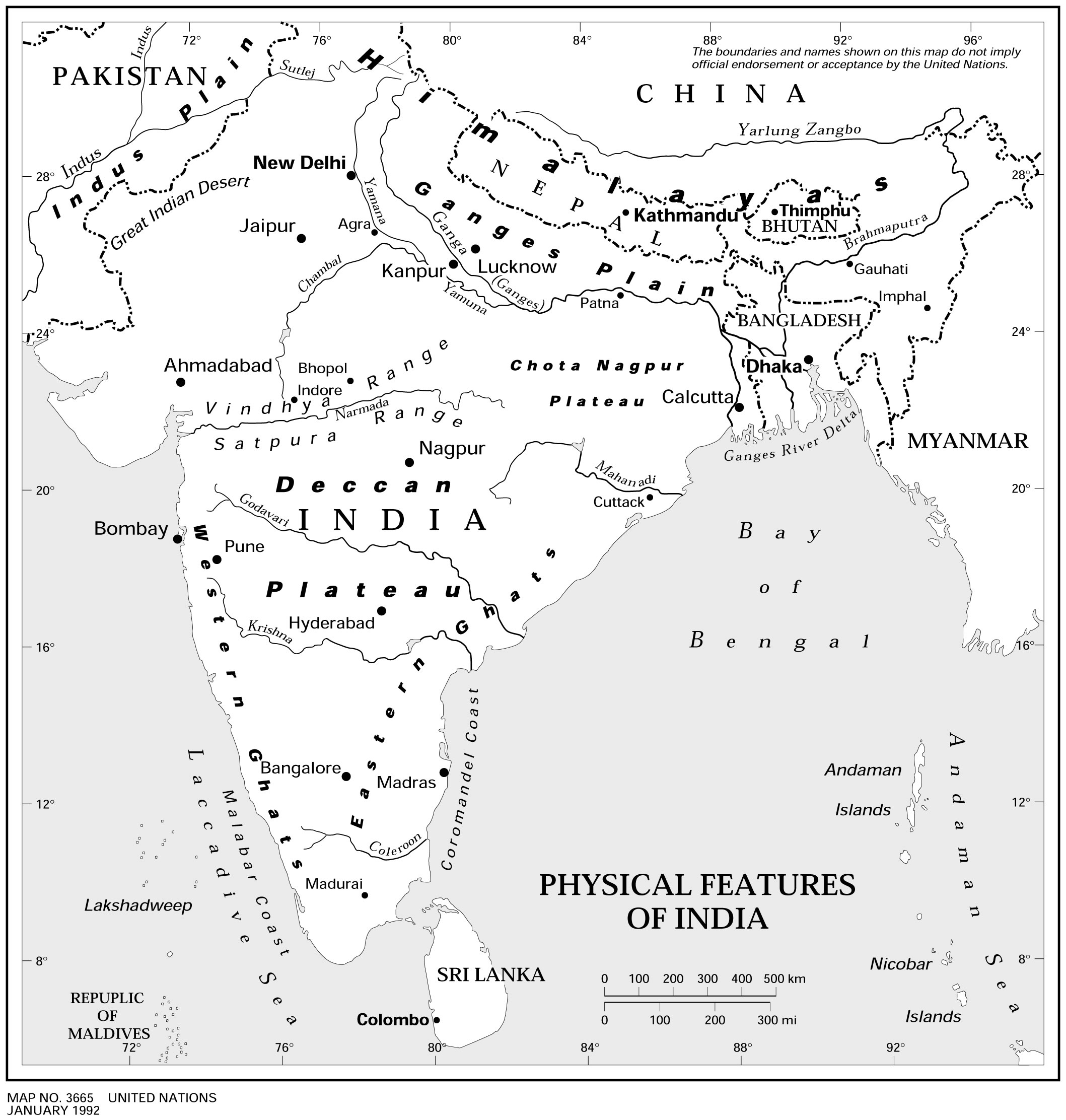
Catastrophic environmental failures in high-altitude terrain impose immediate operational limits on emergency response architecture. When a massive glacial collapse along the Nepal-China border triggered flash floods down river systems such as the Bhotekoshi and Trishuli, the resulting hydrological force devastated infrastructure, marooned communities, and trapped workers inside subterranean hydropower tunnels.
Navigating the aftermath requires examining the underlying mechanics of search, rescue, and triage operations. Quantifying the mobilization of security personnel, evaluating air versus ground insertion methodologies, and understanding the economic costs of infrastructure restoration reveal the structural realities of managing large-scale disasters in complex Himalayan topography.
Personnel Deployment Versus Terrain Friction
The immediate quantitative footprint of the emergency response relies heavily on labor concentration. Authorities mobilized over 22,000 security personnel drawn from the Nepal Army, Nepal Police, and Armed Police Force to secure affected zones and execute evacuation protocols. However, raw manpower faces steep diminishing returns when operating against severe environmental friction.
Rugged terrain, washed-out bridges, and destroyed road networks severely restrict lateral movement. Ground forces operating in districts such as Chitwan, Nawalparasi, and Rasuwa executed 8,730 individual ground rescues under hazardous conditions. The velocity of these ground operations is directly constrained by logistical supply lines. When linear infrastructure collapses, troop insertion shifts from a logistical transit problem to an Alpine mountaineering and engineering challenge.
The deployment structure divides operations into distinct operational vectors:
- Perimeter containment and evacuation of riverside settlements vulnerable to secondary overflow from upstream blockages.
- Specialized subterranean extraction inside flooded hydropower infrastructure where structural instability threatens rescue teams.
- Medical triage stations and temporary morgue logistics established across regional health facilities to process incoming casualties.
The Air Versus Ground Insertion Equation
Deploying aerial assets represents the highest-cost, highest-velocity intervention method available to disaster management authorities. In this operational theater, air crews executed 363 helicopter flights, successfully evacuating 3,081 individuals, which included foreign nationals trapped in remote trekking routes.
The utility function of helicopter deployment involves a strict trade-off between payload capacity, atmospheric limitations at high altitudes, and fuel supply chains. Rotorcraft provide the only viable extraction vector for individuals stranded on isolated riverbanks or high-altitude ledges where ground parties cannot arrive within survivable windows.
Yet, aerial operations face strict environmental thresholds. Heavy overnight rainfall, unpredictable wind shear in mountain passes, and low cloud cover frequently ground rotor fleets. This vulnerability forces commanders to rely on ground-based insertion methods even when time-to-target metrics favor aerial transport. The interaction between vertical rescue requirements and adverse meteorological patterns establishes an operational bottleneck that standard dispatch models cannot easily bypass.
Subterranean Extraction Mechanics
Among the most technically demanding elements of the crisis response involves subterranean rescue operations inside hydropower facilities. Flooded tunnels at sites such as the Trishuli 3A complex trapped hundreds of workers underground. Executing extractions in these environments requires specialized engineering inputs rather than standard humanitarian search protocols.
The rescue methodology deployed by security forces and international specialist teams from India and China centers on two primary mechanical phases:
- Establishing positive-pressure airflow channels by inserting ventilation pipes into flooded or partially blocked tunnels to maintain oxygen levels for trapped personnel.
- Pumping out accumulated slurry and debris using heavy industrial machinery airlifted directly to remote dam sites by military helicopters.
This subterranean extraction environment highlights a critical structural vulnerability in regional industrial planning: the lack of redundant, high-level emergency egress routes in run-of-the-river hydroelectric projects situated in active seismic and glacial zones.
Triage Metrics and Identification Protocols
Managing mass casualties requires rigorous institutional frameworks to handle both living survivors and recovered remains. With hundreds of fatalities recorded and thousands reported missing, the processing capacity of local authorities becomes instantly saturated.
State authorities enforce specific administrative directives for body management, storing unidentified remains across multiple regional hospitals while collecting forensic data and DNA samples from relatives. The demographic distribution of the missing—comprising domestic citizens, foreign trekking groups, and migrant infrastructure workers—complicates diplomatic and consular coordination. Foreign ministries from India, Malaysia, the United States, and European nations report dozens of missing citizens, requiring cross-border data-sharing agreements to verify identities.
Medical deployment follows a parallel triage curve. Emergency surgical teams deployed to field hospitals manage acute trauma, lacerations, and hypothermia cases while preventing waterborne disease outbreaks in crowded displacement camps. The efficacy of these medical interventions depends entirely on the speed at which cold-chain logistics and potable water supplies can be trucked or flown past destroyed transport corridors.
Capital Allocation and Reconstruction Constraints
Long-term recovery shifts the analytical focus from emergency rescue metrics to macroeconomic loss assessment. Initial economic estimates place total reconstruction requirements between four billion and five billion dollars. This capital expenditure requirement exceeds domestic fiscal capacity, forcing the government to balance national sovereignty in rescue execution with appeals for international financial assistance and specialized engineering hardware.
The structural cost function is driven by the absolute destruction of linear assets: national highways, high-voltage transmission towers, and commercial bridges. Rebuilding these assets requires an engineering timeline measured in years, directly impacting regional trade routes and energy production capacity.
To mitigate future systemic shocks, regional disaster management frameworks must transition from reactive rescue models to predictive watershed modeling, reinforcing structural codes for energy installations sited in high-risk glacial drainage basins.