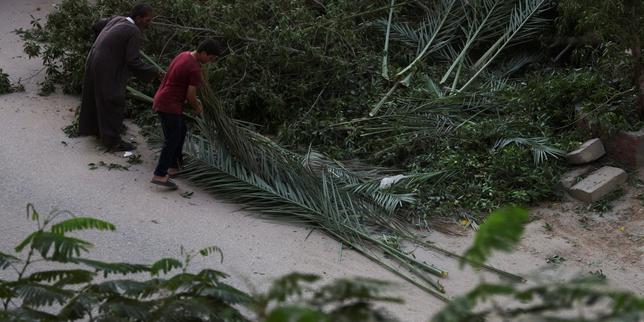
Walk down certain historic streets in the Egyptian capital today and you will notice something glaringly missing. Shade. The familiar green canopy that once shielded pedestrians from the blistering North African sun has been aggressively slashed. Across neighborhoods from Heliopolis to other dense districts, heavy machinery has cleared out mature trees to make way for road expansions, bridge construction, and commercial projects. For millions of residents, this isn't just about aesthetics. It is a direct assault on what little living environment remains in a concrete mega-city.
People aren't staying quiet about it anymore. Social media feeds have filled up with photographs of hacked trunks, bare concrete squares, and devastated public spaces. The public backlash reached such a high pitch that even the Egyptian government took notice, with Prime Minister Moustafa Madbouly issuing strict directives to halt unauthorized tree cutting without proper oversight. Yet, residents remain deeply skeptical. Promises from officials often clash with the reality on the ground, where chainsaws continue to roll into neighborhoods unannounced.
The True Cost of Concrete Expansion
Urban development in Le Caire has long favored asphalt over ecology. Planners often treat trees as obstacles rather than vital infrastructure. But removing decades-old greenery triggers a cascade of immediate problems. Temperatures in deforested areas spike noticeably, turning sidewalks into heat traps. Families who rely on neighborhood parks and shaded pathways lose their only escape from the oppressive summer weather.
Beyond comfort, there is a severe public health crisis attached to this trend. The capital ranks among the most densely populated urban centers on the continent, struggling constantly with heavy vehicle emissions and airborne dust. Mature trees act as natural filters, trapping particulate matter and producing oxygen. Stripping them away accelerates the degradation of air quality, making it harder to breathe for anyone living near major traffic arteries. When municipal authorities sacrifice green spaces for another lane of traffic, they are essentially trading long-term public health for short-term vehicular throughput.
Citizen Pushback and Grassroots Resistance
Official pushback has taken various forms, but much of the most effective work is happening at the grassroots level. Independent groups and local residents have started taking matters into their own hands, organizing community tree-planting initiatives in public spaces to replace what has been lost. It is a race against time and bureaucracy. Planting a sapling is easy, but keeping it alive in an urban heat island without adequate municipal water support requires constant human care.
Activists are also utilizing digital platforms to document every unauthorized cut. By geotagging destroyed greenery and sharing footage online, local watchdogs hold municipal bodies accountable in real time. This digital paper trail makes it much harder for local councils to claim ignorance when green spaces vanish overnight.
If you care about the future livability of historic urban hubs, paying attention to these grassroots battles matters. Cities cannot survive on concrete alone, and the people living inside them are finally drawing a hard line in the dirt.
La bataille pour les espaces verts au Caire
This video explores recent local government actions and public accountability regarding tree management in urban parks.