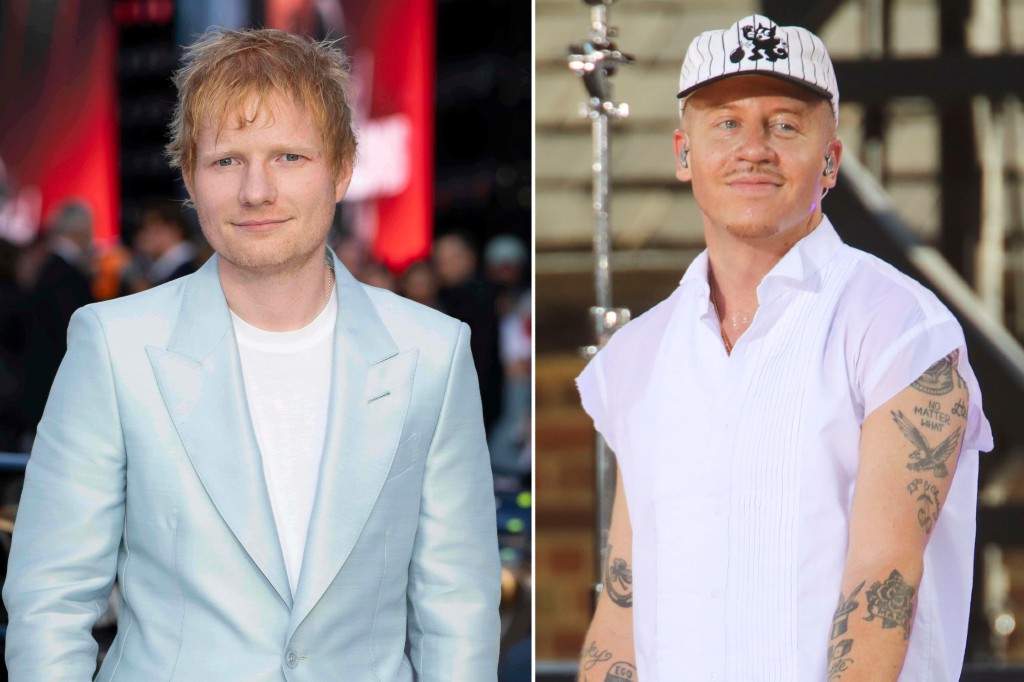
We live in an era where pretending art exists in a vacuum is no longer an option. When Ed Sheeran stepped onto the stage in Philadelphia, the music industry was watching a massive live test of what happens when global stadium tours collide with geopolitical reality. The week leading up to that show wasn't just messy; it was a full-scale dismantling of the old playbook where pop stars could smile, strum an acoustic guitar, and stay comfortably on the fence.
Let us look at what actually happened. The trouble started when Macklemore, who was slated as a primary opening act for Sheeran's North American run, took the mic at MetLife Stadium and shouted "Free Palestine". Within days, venues pushed back, the promoter dropped him from the lineup, and the dominoes fell. Supporting acts and band members bailed in solidarity, leaving Sheeran scrambling to hold a massive stadium tour together with bare-bones logistics.
Instead of hiding behind a corporate press release, Sheeran addressed the chaos head-on in front of 50,000 fans. He broke down in tears, admitting it was one of the worst weeks of his life, describing how long-time friends and industry peers distanced themselves overnight. He maintained that the decision to drop Macklemore came from promoters and venue pressures rather than a personal vendetta, but the damage to his public image and personal circle was already done.
The Myth of the Apolitical Pop Star
For decades, the golden rule of mainstream pop superstardom was simple: don't offend anyone, sell tickets to everybody, and keep your opinions strictly to yourself. Artists like Ed Sheeran built massive empires on the premise of universal accessibility. Love songs, campfire chords, and massive sing-alongs are designed to unite diverse crowds under a single tent.
Yet, this crisis exposed the fatal flaw in that strategy. Total neutrality is no longer perceived as peace; it is perceived as complicity. When major humanitarian crises dominate the global stage, fans and fellow artists expect transparency. Macklemore explicitly pointed out that taking a stand costs money, brand deals, and festival slots, arguing that there is no neutral ground left between an oppressor and the oppressed. On the flip side, industry stakeholders and venue owners panicked over liability, security, and polarizing public sentiment. Sheeran found himself trapped squarely in the middle of a buzzsaw, abandoned by peers who felt his neutrality was a cop-out and pressured by business partners who wanted zero controversy.
What Artists and Content Creators Can Learn From the Fallout
This high-profile meltdown offers a masterclass in modern audience management and crisis PR. If you build your brand on being universally liked, any deviation from strict conformity triggers an immediate, volatile backlash.
- Silence is a statement: When you choose not to speak on major global events, your audience fills in the blanks. Silence is no longer interpreted as neutrality; it is read as a choice to protect one's own commercial interests.
- Infrastructure matters: Tour promoters and venue conglomerates hold immense leverage. An artist might own their creative output, but stadium routing depends entirely on corporate gatekeepers who answer to risk-management algorithms.
- Authenticity beats PR gloss: Sheeran’s raw, tearful breakdown in Philadelphia resonated because it wasn't polished. Whether you agree with his position or think he handled the fallout poorly, showing genuine human vulnerability on stage altered the narrative from a corporate dispute to a personal crisis.
The old era of manufactured pop perfection is fractured. Artists can no longer separate their craft from the cultural weight of the rooms they play in. As fans demand more realness from the people they support, the days of coasting on harmless background music are officially over.