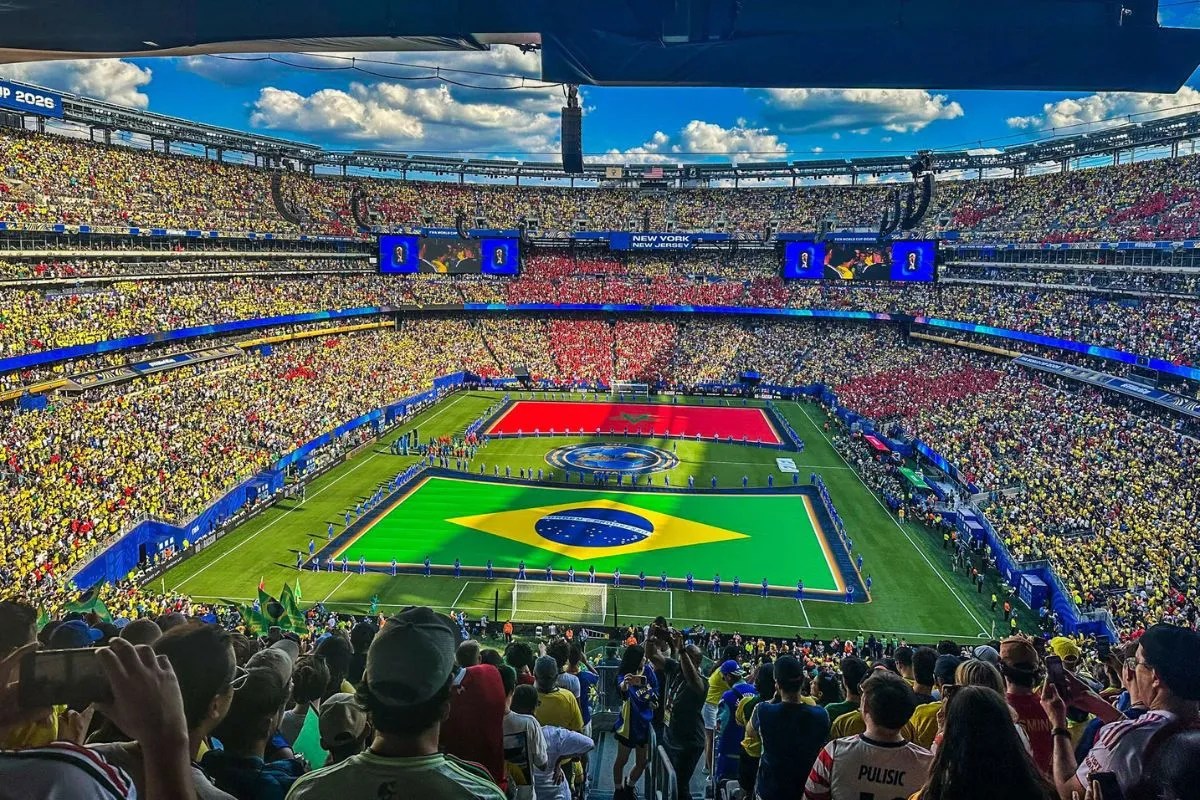
La Tri just landed in Kansas City. The bags are unpacked, the training pitch is set, and the pressure is completely suffocating. Everyone knows why this trip matters. It isn't just another stop on the tour. It's a defining moment for a generation of Ecuadorian players who have promised greatness but occasionally stumble when the lights get too bright. Winning here requires more than just showing up and relying on raw athleticism.
Ecuadorian football fans are tired of the same old story. We see the talent. We see the multi-million dollar contracts in Europe. Yet, when the national team plays in giant American stadiums, something often feels disconnected. Kansas City presents a unique challenge, both logistically and tactically. If the coaching staff rolls out the exact same conservative game plan we saw in recent outings, walking away with three points will be an impossible task.
The Brutal Reality of Kansas City Stadiums
Playing football in a massive American venue built for gridiron is a specific kind of headache. The grass feels different. The dimensions often push the absolute limits of international regulations. For a team like Ecuador that relies heavily on explosive wing play and stretching the opponent, a tighter pitch or a slower surface can ruin the entire offensive strategy.
South American teams often struggle to adapt to the sheer scale of these environments. The acoustics change how players communicate on the field. You can't hear your center-back yelling instructions from twenty yards away when thirty thousand fans are screaming. La Tri needs to establish a verbal rhythm early during the warmups. If they don't, defensive miscommunications will give away easy chances in the opening fifteen minutes.
We've seen this movie before. Ecuador enters a match as the physical favorite, dominates the opening possession, but fails to account for the weird bounces and fast turf transitions. The players must adjust their footwear and their passing weight immediately. Short, lazy ground passes will get intercepted by aggressive opponents who love to press high up the pitch.
Fixing the Broken Midfield Bridge
Our biggest issue right now isn't a lack of quality. It's how we use that quality. The midfield often looks like two separate entities rather than a cohesive unit. You have elite ball-winners doing the dirty work, but the ball gets stuck in the middle third because nobody wants to take the risk of playing a progressive forward pass.
To win this crucial game, the midfield needs to stop playing it safe. Sideways passing looks great on possession statistics, but it does absolutely nothing to break down a disciplined defensive block. We need central midfielders who are willing to turn into space and drive directly at the opposing center-backs. That forces the defense to collapse inward, which finally opens up the flanks for our overlapping full-backs.
- Stop the pointless recycling: Passing back to the center-backs every time an opponent steps up to press is a recipe for disaster.
- Risk the vertical ball: Even if a forward pass gets cut off occasionally, it keeps the opponent's defensive line honest and backing up.
- Create overloads out wide: The wingers cannot stay isolated on an island. They need immediate support from the central players to create quick, one-touch triangles.
If the midfield remains stagnant, the forwards will starve. We've seen matches where our starting striker touches the ball fewer than ten times in a half. That isn't a striker problem. That's a service problem.
Managing the Emotional Switch
Ecuadorian players are emotional. When things go well, they look completely unstoppable, playing with a flair and joy that rival any team in the world. But when a bad refereeing call happens or an early goal goes against them, the collective body language drops instantly.
Kansas City will host a loud, demanding crowd. The team will face moments of intense adversity during this match. How they react to a missed chance or a bad tackle in the opening minutes determines the outcome of the entire ninety minutes. The veteran players must step up and calm the younger prospects down.
International football leaves no room for psychological fragility. You lose focus for a split second because you're arguing with the linesman, and suddenly the ball is in the back of your net. The squad needs to embrace a cold, clinical mindset. Treat this match like a business trip.
What the Coaching Staff Tends to Get Wrong
Let's talk about the tactical setups that keep failing us. The tendency to default to a low defensive block against tough opposition is holding this team back. Ecuador has the physical tools to press teams into oblivion. Why are we sitting back and waiting to get hit?
An aggressive, high-pressing system makes perfect sense for the squad depth available right now. We have young, hungry players with incredible engines who can run for days. Sitting deep in our own box just invites pressure and exposes our occasional lack of aerial dominance during set-pieces.
The manager needs to show some tactical bravery. Start the match on the front foot. Force the opponent to adapt to Ecuador's speed rather than spending ninety minutes reacting to what the other team is doing. If we play scared, we lose. It's really that simple.
Speeding Up the Final Third Transition
When La Tri wins the ball back in their own half, the transition to attack is often agonizingly slow. By the time the ball reaches the attacking third, the opponent has already dropped eight players behind the ball. The space is gone.
To counter this, the transition needs to happen in two passes maximum. Find the outlet winger immediately or hit the striker's feet so he can lay it off to a hard-charging midfielder. This requires immense vision and a willingness to make mistakes. If a player is terrified of losing the ball, they'll always choose the safe option.
We need to see fewer touches from individual players and more ball movement. Let the ball do the running. The Kansas City heat and humidity can drain energy quickly, so keeping possession with a purpose serves a dual purpose. It tires out the enemy while saving our own legs for the final twenty-minute push.
Steps to Secure Three Points
Get the studs right during pre-match warmups to avoid slipping on the unique American grass surface.
Commit to a high press during the first twenty minutes to rattle the opponent and try to steal an early goal.
Force the central midfielders to look for forward passing lanes instead of constantly recycling possession to the defenders.
Keep emotional discipline when decisions don't go Ecuador's way on the pitch.
Use tactical substitutions early in the second half to maintain a high-energy intensity as the stadium conditions get heavy.