Introduction
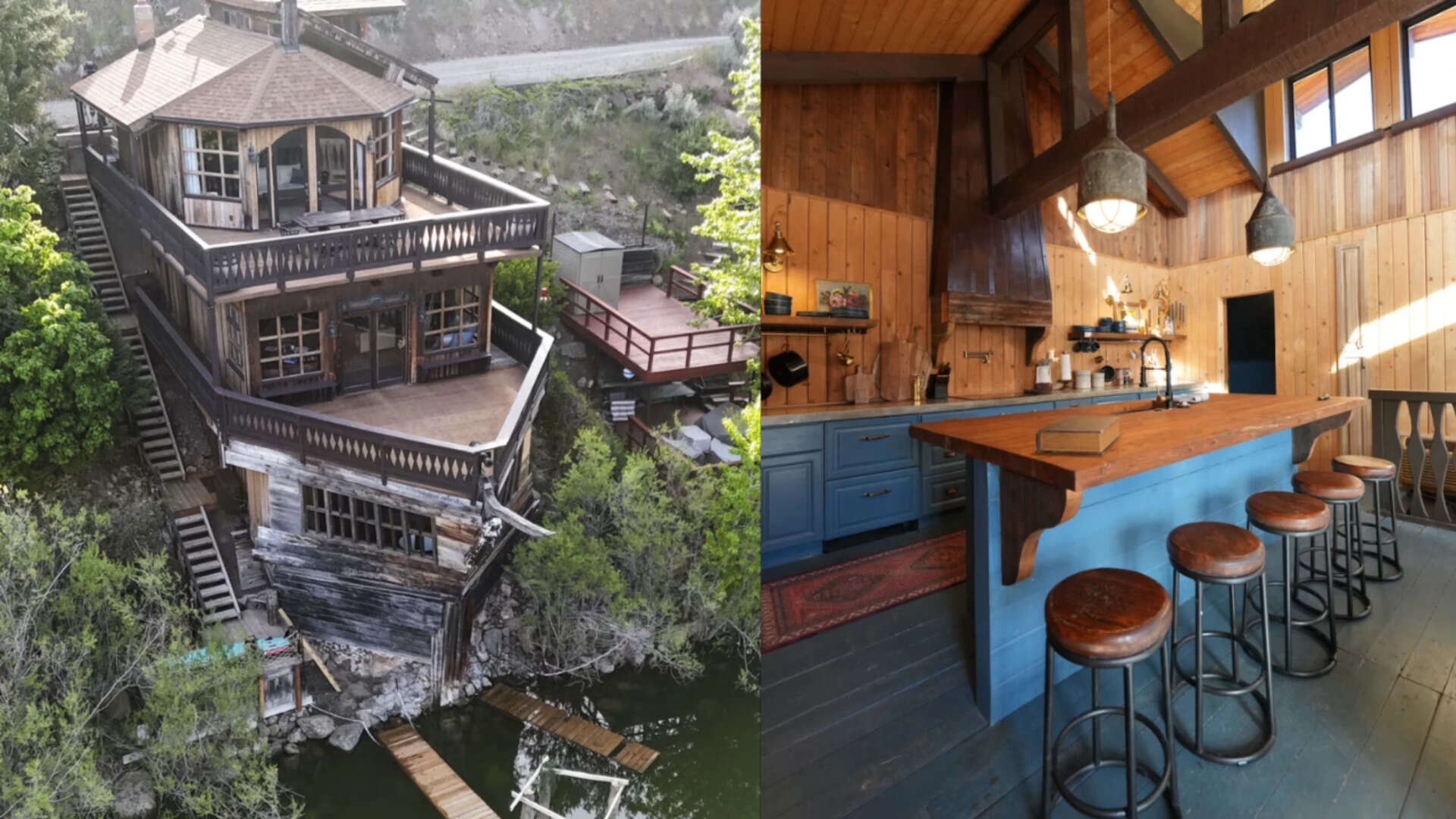
Short-term rental asset valuation traditionally relies on three fundamental inputs: geographic location, square footage, and standard guest capacity. When an operational asset departs from standard architectural conventions by integrating a hyper-specific theme, such as a nautical vessel replica paired with an interactive hidden chamber, traditional valuation models break down. This analysis deconstructs the revenue mechanics, capital expenditure trade-offs, and risk exposure of themed hospitality assets through the specific case of a property generating eighty thousand dollars in gross annual revenue currently positioned on the transaction market.
The Valuation Paradox of Novelty Assets
Standard residential real estate pricing operates on comparable sales data within a tight geographic radius. A three-bedroom home is evaluated against adjacent three-bedroom homes based on condition, lot size, and recent transaction history. The-themed property disrupts this comparative market analysis framework. Also making headlines in this space: The Gravity Well of the East.
When a property incorporates custom structural carpentry resembling a ship alongside proprietary interior design elements like a secret treasure room, the asset ceases to be a commodity. It transforms into an experiential product.
The Replacement Cost Versus Market Value Divergence
Replacement cost calculations for a standard structure factor in framing, roofing, HVAC installation, and standard finishes. The structural modifications required to transform a standard interior into an immersive narrative environment incur a distinct capital expenditure profile. More details into this topic are detailed by The Economist.
- Custom Carpentry Premiums: Structural elements mimicking naval architecture require specialized labor rather than standard subcontracting. This elevates the initial capital expenditure per square foot significantly above local baseline construction costs.
- Specialized Infrastructure: Hidden doors, reinforced load-bearing alterations for decorative elements, and proprietary prop integration demand custom engineering that cannot be easily amortized using conventional residential depreciation schedules.
Buyers evaluating this acquisition must separate the underlying real estate value from the enterprise value of the operating hospitality business. If the real estate value sits at baseline market rates, the eighty-thousand-dollar top-line revenue stream justifies an operational multiple, provided the net operating income margin supports the asking price.
Revenue Generation Mechanics in Themed Hospitality
An annual gross revenue figure of eighty thousand dollars provides a starting point for financial analysis, but top-line revenue is an incomplete metric without examining the underlying operational efficiency. Themed assets achieve financial performance through distinct consumer behavior drivers.
Compression of Supply and Demand Elasticity
In saturated short-term rental markets, operators compete primarily on price and minor amenity variations, such as hot tubs or pool tables. This leads to commoditization and downward pressure on nightly rates.
A uniquely themed asset operates with inelastic demand characteristics within its target demographic segment. Families traveling with children or groups seeking specific aesthetic backdrops exhibit lower price sensitivity because the alternative options do not satisfy their experiential requirements. This allows the asset to command a higher average daily rate compared to un-themed properties of identical square footage in the same geographic market.
Length of Stay and Utilization Rates
The operational data of high-performing novelty rentals typically reveals two opposing forces acting on occupancy:
- Weekend Compression: High demand for experiential stays concentrates heavily on Friday and Saturday nights, driving peak pricing models.
- Mid-Week Discounting Friction: Unique properties often struggle with mid-week occupancy unless they successfully market to remote workers or production companies seeking unique backdrops.
To achieve eighty thousand dollars in gross revenue, an asset must optimize its yield management strategy. Assuming an average daily rate of three hundred dollars, the property requires approximately two hundred sixty-six booked nights per year, representing an annual occupancy rate of roughly seventy-three percent. Achieving this utilization rate without destructive price discounting requires deliberate platform optimization and visual presentation that converts casual browsers into confirmed bookings at a higher-than-average conversion rate.
The Cost Function of Experiential Real Estate
Higher gross revenue figures for themed properties are frequently offset by elevated operating expenses. Evaluating the true financial viability of such an asset requires a granular breakdown of its cost structure.
Gross Revenue ($80,000)
  ├── Maintenance & Wear Factor (Elevated due to custom elements)
  ├── Specialized Cleaning Overhead (Intricate detailing requires extra labor time)
  ├── Insurance Premiums (Specialty liability for non-standard architectural features)
  └── Net Operating Income (Yield baseline)
The Maintenance Multiplier
Standard rental properties experience predictable wear and tear on flooring, paint, and basic fixtures. Themed assets introduce a secondary category of depreciation: proprietary feature degradation.
- Custom Hardware Failure: Hidden mechanisms, specialized locking systems for secret rooms, and custom-built navigational elements experience higher mechanical failure rates under heavy guest turnover.
- Cosmetic Vulnerability: Faux wood finishes, textured walls designed to look like ship hulls, and integrated theatrical props require continuous touch-ups between guest changeovers.
Failure to account for this maintenance multiplier leads to compressed net operating income. An operator who views the property through a passive real estate lens will quickly find that the physical plant demands active, hands-on asset management.
Specialized Labor Requirements
Turnover cleaning for a standard property is a volume-driven process executed by general cleaning crews. A property featuring intricate structural elements and theatrical props requires specialized cleaning protocols. Dust accumulation on complex props, delicate handling of custom wood structures, and inventory checks for movable themed items extend the man-hours required per turnover. This elevates variable labor costs per booking, compressing operating margins unless factored into the cleaning fee charged directly to the consumer.
Market Positioning and Acquisition Risk Analysis
Purchasing an operating short-term rental asset that relies on a specific aesthetic carries distinct operational and market risks that must be quantified prior to capital deployment.
Aesthetic Obsolescence and Trend Cycles
Consumer preferences in experiential hospitality shift over time. While nautical themes possess a classic adventurous appeal that mitigates short-term stylistic decay, poorly executed thematic elements risk aging into novelty obsolescence.
- The Refresh Cycle: Unlike a modern minimalist property that can be updated with neutral paint and contemporary furniture, a structurally integrated theme requires capital-intensive overhauls when design preferences shift.
- Geographic Sensitivity: A ship-themed property performs exceptionally well in coastal or lake-adjacent markets where the narrative aligns with the external environment. Deploying the same asset in an inland, landlocked suburban market introduces severe conceptual friction that can depress occupancy metrics regardless of interior execution.
Regulatory Exposure
Short-term rental governance represents the single largest external variable impacting asset valuation. Municipalities across primary and secondary markets continue to tighten restrictions on short-term rentals through zoning adjustments, licensing caps, and transient occupancy taxes.
When evaluating an asset generating eighty thousand dollars in gross revenue, buyers must calculate the debt service coverage ratio under a zero-revenue or long-term rental conversion scenario. If regulatory shifts force the property onto the traditional long-term leasing market, the specialized interior improvements may fail to command a proportional premium in monthly rent, resulting in a potential capital loss on the structural customization.
Strategic Operational Playbook for Asset Optimization
To maximize the economic output of a themed hospitality asset, management must move away from passive listing maintenance and adopt a rigorous, performance-driven optimization protocol.
Dynamic Pricing Architecture
Relying on static seasonal pricing models leaves revenue unrealized. The pricing engine must incorporate local event calendars, competitor supply elasticity, and lead-time decay algorithms. Because the addressable market for a ship-themed property includes both local weekend escapists and destination travelers, the pricing matrix should widen the spread between lead-time windows. Last-minute unbooked dates should trigger automated steep discounting to protect baseline occupancy, while long-term booking windows should maintain a high rate floor to capture high-intent travelers.
Conversion Rate Optimization on Distribution Channels
The visual assets of a themed property are its primary conversion drivers. Standard listing photography is insufficient for capturing the spatial relationships of a multi-tiered themed interior.
- Spatial Narrative Sequencing: Listing photographs must lead the prospective guest through a visual journey, starting from the exterior approach, transitioning into the main living quarters, and culminating in the reveal of the secret treasure room.
- Video Walkthrough Integration: High-definition video content demonstrating the mechanical transition of hidden doors and specialized architectural features significantly increases platform algorithm visibility and user dwell time, directly correlating with higher direct-booking conversion metrics.
Implement strict pre-arrival digital communication protocols that set expectations regarding the unique features of the property, minimizing post-booking friction, guest confusion, and subsequent review degradation that can negatively impact search ranking algorithms on primary booking platforms.
Execute a comprehensive structural audit of all custom mechanical components, verify historical net operating income statements against actual utility and maintenance receipts, and re-index the pricing matrix against immediate hyper-local competitors before submitting a final acquisition offer.