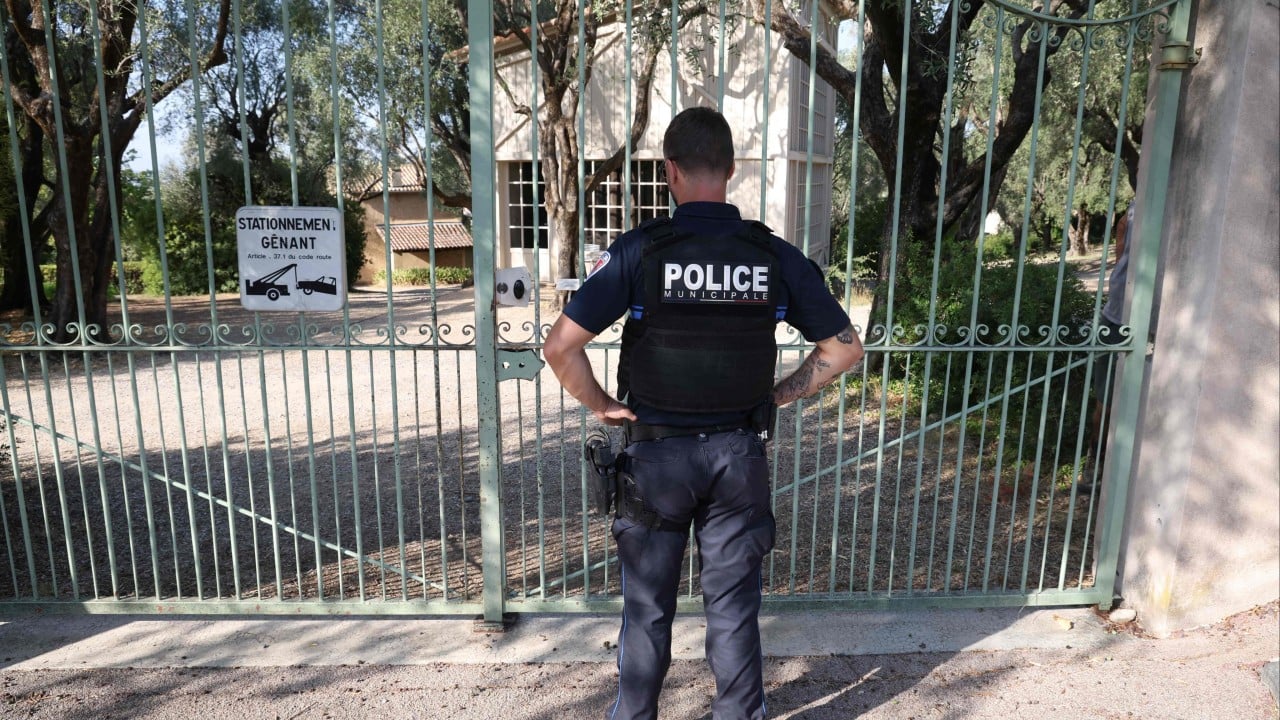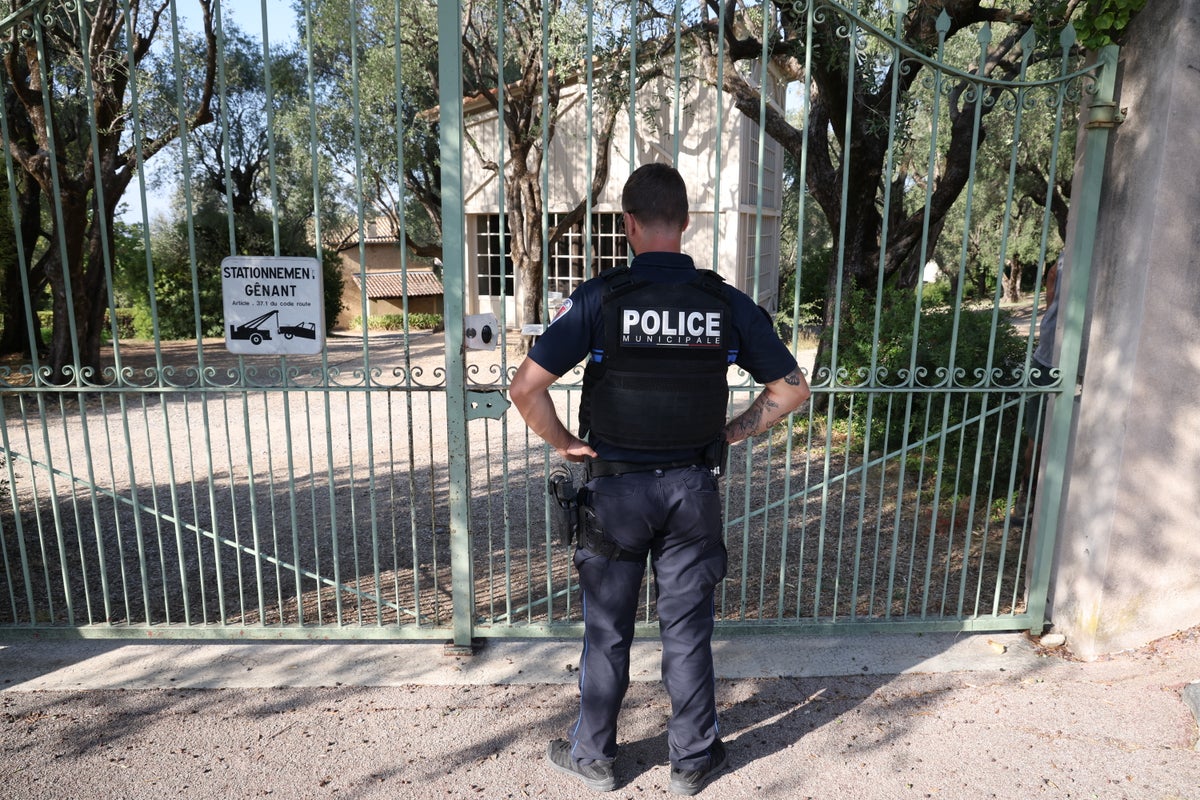
The physical security budget of a regional cultural institution operates on a predictable deficit curve. When two individuals breached the perimeter of the Renoir Museum in Cagnes-sur-Mer at 5:48 in the morning, cutting through security fencing with heavy tools, they exposed a structural vulnerability common to decentralized European galleries. Four Impressionist works carrying a combined valuation of nine million euros were targeted, resulting in the extraction of high-liquidity assets from a facility optimized for public access rather than threat mitigation.
Evaluating this incident requires moving past the superficial shock of the breach to examine the operational mechanics governing cultural heritage protection. Regional museums face an asymmetric risk profile. They house globally recognizable, illiquid capital assets yet operate under municipal funding caps that preclude tier-one physical security apparatuses.
The Security Infrastructure Deficit
Physical asset protection relies on a standard multi-layered defense model comprising perimeter hardening, intrusion detection, environmental monitoring, and armed or rapid-response security personnel. At the Cagnes-sur-Mer facility, the sequence of events laid bare the gaps inherent in this model.
- Perimeter Infiltration: The perpetrators penetrated the exterior boundary using thermal or mechanical cutting tools on perimeter fencing, indicating minimal electronic tripwires or delayed-entry barriers at the property line.
- Response Latency: The electronic alarm triggered at precisely 5:48 AM, and municipal police arrived on-site within five minutes. While a five-minute response metric represents high operational efficiency for municipal forces, it exceeds the time-motion threshold required for professional asset extraction.
- Physical Securing of Exhibits: The thieves bypassed secondary casing protections, swiftly shearing the mounting clips that fixed the canvas frames to the interior walls.
Response latency dictates the success ceiling of any burglary. If an extraction team can locate, detach, and transport target assets within three hundred seconds, police arrival functions merely as a pursuit trigger rather than a preventative deterrent.
The Asset Liquidity Paradox
Stolen fine art occupies a distinct economic category. Unlike fiat currency or consumer electronics, major masterpieces cannot be openly liquidated on primary or secondary public markets due to rigid provenance tracking databases, such as the Art Loss Register. This creates a strategic puzzle regarding the motive behind mid-tier museum raids.
High-value works by Pierre-Auguste Renoir, including pieces on loan from national collections like the Musée d'Orsay such as Portrait of Madame Colonna Romano and Young Woman at the Well, present extreme liquidation friction. Thieves typically deploy one of three monetization vectors following a heist.
- Ransom and Extortion: Negotiating directly with insurers or state entities for a fractional payout of the insured value, operating on the premise that recovering the physical canvas outweighs the cost of investigation.
- Collateral in Organized Crime: Utilizing unlisted high-value art as secure, untraceable backing for narcotics or weapons trafficking syndicates across international jurisdictions.
- The Speculative Black Market: Hiding the works for decades in private collections until the provenance trail cools significantly, a strategy complicated by modern digital cataloging and ultraviolet spectroscopic analysis.
The recovery of two paintings—Portrait of Madame Pichon and Coco Lisant—in the museum gardens after police intervention indicates that the physical weight and police pressure disrupted the thieves' transport matrix. Abandoning assets under pursuit highlights an ad-hoc operational profile rather than a state-sponsored or elite syndication model, mirroring broader Europol findings regarding the shift toward opportunistic, social-media-recruited criminal cells.
Systemic Vulnerability Across the French Cultural Sector
This incident does not occur in a vacuum. It follows a severe institutional security failure at the Louvre in Paris, where crown jewels valued in excess of eighty million euros were stolen in a daylight raid. When national flagships and regional heritage sites experience consecutive, high-profile breaches, the crisis shifts from isolated criminality to a systemic failure of public sector asset protection frameworks.
Regional French museums function primarily as tourism catalysts and community historical anchors. Their architectural designs prioritize natural light, garden integration, and open access. Retrofitting these historical structures—such as Renoir's final residential estate—with ballistic glass, seismic sensors, and internal airlock security zones introduces prohibitive capital expenditure requirements. Consequently, municipal leadership faces a permanent trade-off between preservation authenticity and fortified security architecture.
Deploy capital resources toward automated physical interdiction systems, such as rapid-deployment smoke screens, dynamic physical shutters that seal galleries within seconds of alarm activation, and sub-surface seismic sensors capable of detecting perimeter incursions before physical cutting tools breach the outer fence line.