Viruses don't negotiate. When an Ebola outbreak hits a community, panic usually spreads faster than the pathogen itself. People hear the death toll climbing past two thousand lives and wonder why modern medicine struggles so much to put out the fire. You might think health agencies just drop the ball, or that vaccines arrive too late.
The reality is much messier. Containing Ebola isn't just about handing out medicine. It's a grueling test of human behavior, infrastructure, and trust.
The Biology of the Beast
Ebola is terrifying because it attacks the body at a foundational level. It targets cells that line blood vessels, causing severe internal bleeding, organ failure, and shock. Symptoms start like a bad flu—fever, fatigue, and muscle aches—before escalating into vomiting, diarrhea, and hemorrhaging.
Unlike airborne bugs like influenza, Ebola demands direct contact with bodily fluids to spread. Saliva, sweat, vomit, and blood carry the virus. That sounds easier to block than something floating in the air. Yet, cultural practices around caregiving and funerals completely break those safety barriers.
When someone sick stays home, family members wipe their sweat and wash their clothes without protection. When someone dies, traditional burial rituals involve washing and touching the body. At that exact moment, viral loads peak. The community's love and duty become the virus's best vehicle.
Trust Deficits Wreck Public Health Responses
Medical teams arrive in hazmat suits looking like space travelers. To a terrified village, they don't look like saviors. They look like an occupying army.
Decades of government neglect and broken promises leave remote communities deeply suspicious of outsiders. Rumors take root instantly. People whisper that treatment centers are actually execution sites, or that doctors bring the disease instead of curing it. When communities hide sick relatives under beds, contact tracers can't track exposure chains.
Stopping an outbreak requires finding every single person who touched an infected individual and monitoring them for twenty-one days. If families lie out of fear, tracers lose the trail. One hidden case resets the board.
Porous Borders and Weak Infrastructure
Outbreaks rarely stay in one neat geographic zone. People cross borders constantly for trade, family, and survival. Markets buzz with thousands of vendors daily.
Public health infrastructure in these regions is chronically underfunded. Hospitals often lack running water, electricity, and basic sanitation supplies like soap and bleach. Doctors wash gloves in buckets between patients when supplies run thin.
- Clinics lack continuous power grids for refrigeration.
- Roads wash out during rainy seasons, cutting off remote villages.
- Communication relies on spotty mobile networks where battery charging costs money.
Without a functioning health system before the outbreak hits, health workers cannot absorb the shock when hundreds of severe cases flood local clinics at once.
Breaking the Chain
Beating Ebola demands patience and local leadership. Foreign aid workers can't just bark orders. They must sit down with village elders, listen to fears, and adapt protocols respectfully.
Survivors play the most critical role. People who beat the virus carry antibodies in their blood. They return to communities without fear, showing everyone that the treatment center isn't a death trap. They feed patients, comfort orphans, and convince hiding families to seek help early.
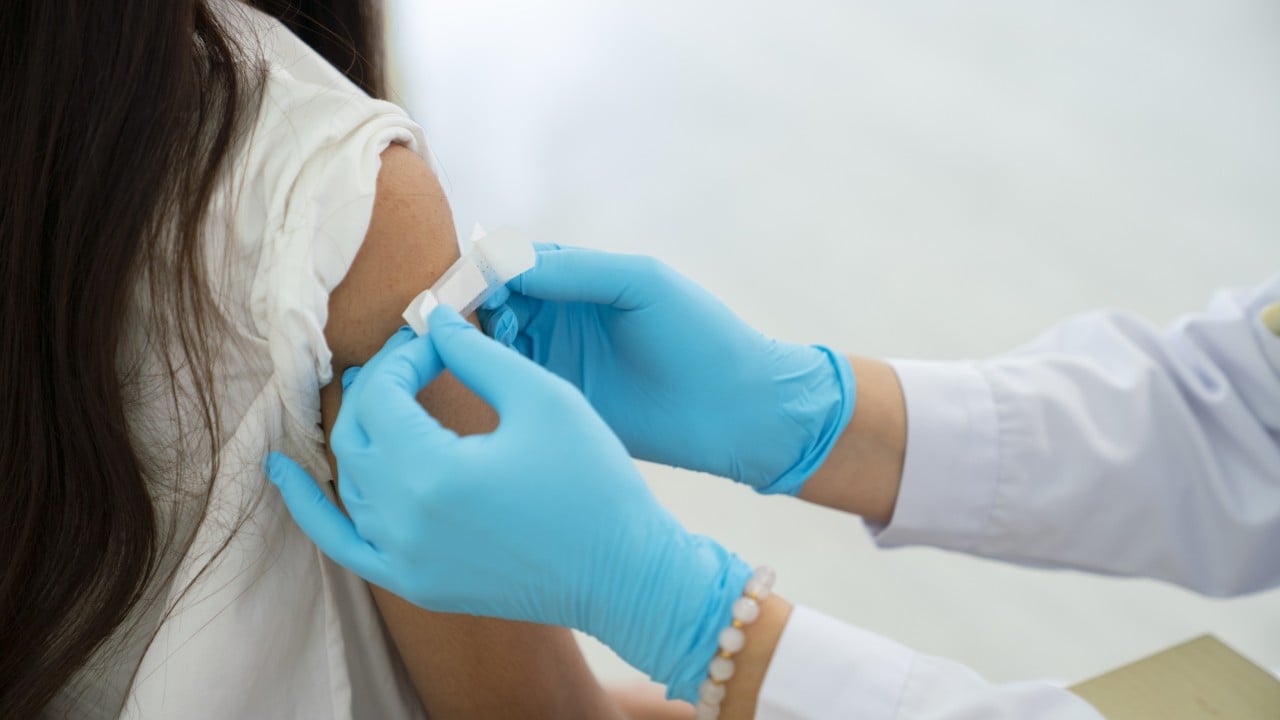
Vaccines help tremendously now, but rolling them out in conflict zones or remote jungles tests logistics to the absolute limit. Every dose requires ultra-cold storage chains. Every vaccination team needs armed security or deep community buy-in to operate safely.
Stop looking at these outbreaks as simple medical failures. They are complex human puzzles where science meets sociology. Fixing the next one means building trust long before the first fever breaks.