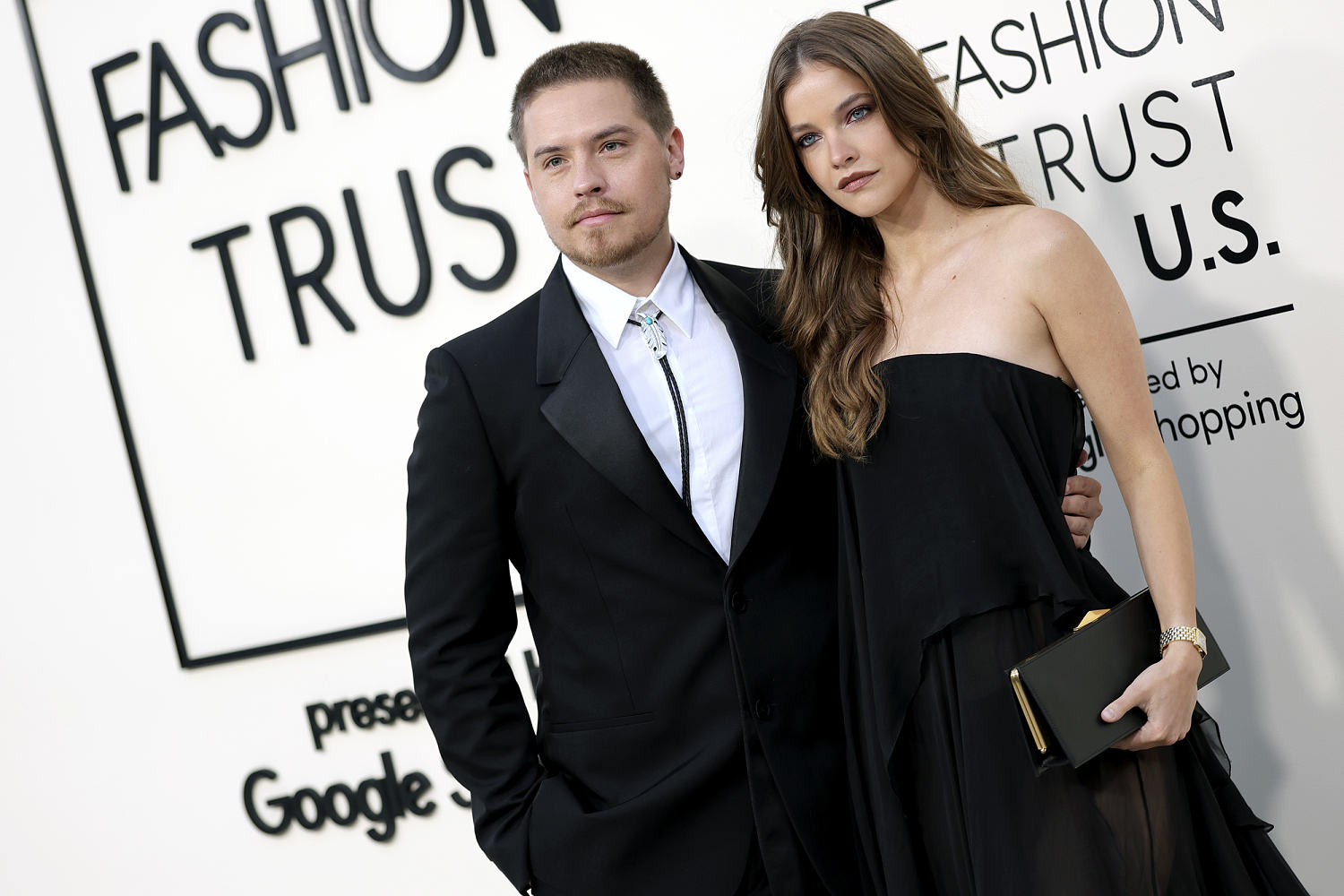
Dylan Sprouse recently made headlines for physically confronting a trespasser at his Los Angeles residence, an incident that exposes the crumbling wall between celebrity privacy and an increasingly aggressive fan-and-stalker culture. While the initial reports framed this as a simple security breach, the reality points to a systemic failure in the way elite protection is managed in Southern California. High-profile figures are finding that gated communities and expensive alarm systems are no longer sufficient deterrents against determined intruders. The physical altercation involving Sprouse is a symptom of a larger, more volatile environment where the boundary of the home is treated as a suggestion rather than a legal hard line.
The Physicality of Modern Privacy Protection
When the incident occurred, Sprouse did not wait for a private security detail to arrive or for a dispatch operator to talk him through a breathing exercise. He acted. This immediate, physical response highlights a growing trend among public figures who have grown weary of passive security measures. For years, the industry standard for high-net-worth individuals focused on "de-escalation" and "containment." The theory was that a celebrity should never engage, retreating instead to a "safe room" while professionals handled the threat.
The Sprouse incident flips that script. By choosing to tackle the intruder, the actor demonstrated the visceral frustration of a demographic that feels hunted in their own living rooms. Los Angeles is currently grappling with a surge in residential burglaries and "follow-home" robberies that target the affluent. These are not crimes of opportunity committed by amateurs; many are calculated hits by groups who understand the response times of the LAPD and private patrol services. In this environment, the five to ten minutes it takes for a patrol car to arrive can be a lifetime.
Sprouse’s reaction was an instinctive rejection of the victim role. However, it also opens a Pandora’s box of legal and physical liabilities. If a celebrity injures a trespasser, the subsequent civil litigation can be more damaging than the initial break-in. This is the tightrope that every public figure in Hollywood now walks. They must decide between the safety of their family and the potential for a career-ending lawsuit brought by the very person who violated their sanctuary.
The Architecture of Vulnerability
The sprawling hills of Los Angeles offer the illusion of seclusion. Luxury real estate is sold on the promise of "exclusive" access, but the topography of the region makes true security almost impossible. Drones, high-powered telephoto lenses, and the democratization of surveillance data mean that a home’s floor plan and entry points are often available to anyone with an internet connection.
The Myth of the Gated Community
Many people assume that a gate and a guard shack provide an impenetrable layer of safety. This is a fallacy. Guards at many Los Angeles developments are often underpaid, under-trained, and instructed to avoid physical confrontation at all costs. Their primary role is often administrative—checking IDs and logging deliveries—rather than tactical. An intruder who is willing to hop a fence or trail a resident through a gate can usually bypass these "protections" with ease.
Once inside the perimeter of a community, the intruder benefits from the resident's false sense of security. Homeowners in these areas often leave doors unlocked or alarm systems unarmed, believing the front gate has already done the work for them. In the case of Dylan Sprouse, the breach happened at the most intimate level. The intruder wasn't just on the property; they were in a position where physical contact became the only viable resolution.
Technology as a Double Edged Sword
Smart home technology was supposed to be the great equalizer. With Ring cameras, Nest systems, and motion sensors, a homeowner can monitor their property from halfway across the globe. Yet, this technology frequently creates a "notification fatigue." If a sensor triggers every time a coyote or a delivery driver passes by, the homeowner eventually begins to ignore the alerts.
Furthermore, the sophisticated criminal element in California has begun using signal jammers to neutralize Wi-Fi-based security cameras. By the time a resident realizes something is wrong, the digital eyes of the house have been blinded. This forces a return to manual security—dogs, reinforced glass, and, in Sprouse's case, physical intervention. The reliance on silicon and software has left a gap that only carbon and muscle can fill when things go sideways.
The Economics of Stalking and the Social Media Incentive
We cannot analyze the Sprouse incident without looking at the incentive structure for those who trespass. The value of "insider" content or a close-up encounter with a celebrity has never been higher in the attention economy. For a certain breed of obsessed fan or clout-chaser, the risk of a misdemeanor trespassing charge is a small price to pay for a viral video or a trophy from a famous person's home.
The legal system in Los Angeles County has faced heavy criticism for what many see as a "revolving door" policy for non-violent offenses. Trespassing is rarely prosecuted with the severity needed to act as a deterrent. When the punishment for breaking into a multi-million dollar estate is a citation and a quick release, the risk-to-reward ratio shifts in favor of the intruder.
The Psychological Toll on the Target
Living under constant threat changes a person. For Dylan Sprouse and his partner, Barbara Palvin, the home is supposed to be the one place where the "performer" persona can be dropped. When that space is violated, the psychological damage lasts far longer than the physical confrontation. It leads to a state of hyper-vigilance.
Every noise in the night becomes a potential threat. Every unfamiliar car on the street is a scout. This level of stress is why we see more celebrities moving away from traditional Hollywood hubs like the Bird Streets or Beverly Hills, opting instead for rural estates in states with more robust self-defense laws or harder-to-reach locations. The "Los Angeles Lifestyle" is increasingly being viewed as a liability rather than an achievement.
The Broken Compact of Public Life
There was once an unspoken agreement between the public and the famous. The celebrity provided entertainment and allowed a certain level of access via controlled media, and in exchange, the public respected the private boundaries of the individual. That compact is dead.
Today, the "parasocial relationship"—where a fan feels they truly know and are entitled to the time of a celebrity—has reached a fever pitch. Social media platforms encourage this by design. When an actor shares a photo of their morning coffee or their backyard view, they are inadvertently providing breadcrumbs for the obsessed. The intruder at the Sprouse home likely didn't see themselves as a criminal, but as a protagonist in their own twisted narrative where they and Dylan are "friends" who just haven't met yet.
Professional Security is Evolving
In response to these threats, the private security industry is undergoing a radical shift. The "suit and earpiece" model is being replaced by a more integrated, "low-profile" approach. This involves:
- Pre-emptive Intelligence: Monitoring social media and dark web forums to identify potential stalkers before they ever leave their house.
- Physical Hardening: Installing "invisible" security features like ballistic-rated glass that looks like standard windows and reinforced doors that can withstand sledgehammer blows.
- K9 Integration: A resurgence in the use of protection dogs, which offer a level of deterrence that a camera simply cannot match.
These measures are expensive. They create a "security gap" where only the ultra-wealthy can afford true safety, while "working" celebrities like Sprouse are left to handle domestic threats with their own hands.
The Liability of the Modern Hero
The public often cheers when a celebrity "fights back." We like the idea of the hero stepping out of the screen and into reality to defend their home. But the legal reality is much colder. If Sprouse had used a weapon, or if the intruder had suffered a permanent injury, the narrative would have shifted instantly from "brave actor" to "violent millionaire."
The California penal code allows for reasonable force to be used in self-defense, but "reasonable" is a term defined by a jury after months of expensive litigation. Most security consultants advise their clients to never do what Sprouse did. They suggest retreating, locking a door, and calling the police. But that advice ignores the human element. It ignores the adrenaline and the primal need to protect one's territory.
The Sprouse incident is a warning. It is a signal that the traditional methods of keeping the peace in the hills are failing. As long as the legal consequences for trespassing remain negligible and the social rewards remain high, these confrontations will become more frequent and more violent.
The solution isn't just better locks or higher fences. It requires a fundamental shift in how the legal system treats the sanctity of the home and how the public consumes celebrity "access." Until then, the burden of protection rests solely on the shoulders of the individual, standing in their driveway, wondering if the next person to walk up the path is a delivery driver or a threat.
Stop viewing these incidents as isolated tabloid stories. They are data points in a trend of escalating domestic instability for anyone with a public profile. The wall is down, and the people inside are finally starting to push back.