Politicians love speaking in riddles, until those riddles blow up in their faces. Ontario Premier Doug Ford learned this lesson firsthand after a routine media appearance left political observers scrambling to decode whether he had just handed Toronto Mayor Olivia Chow a golden ticket to re-election.
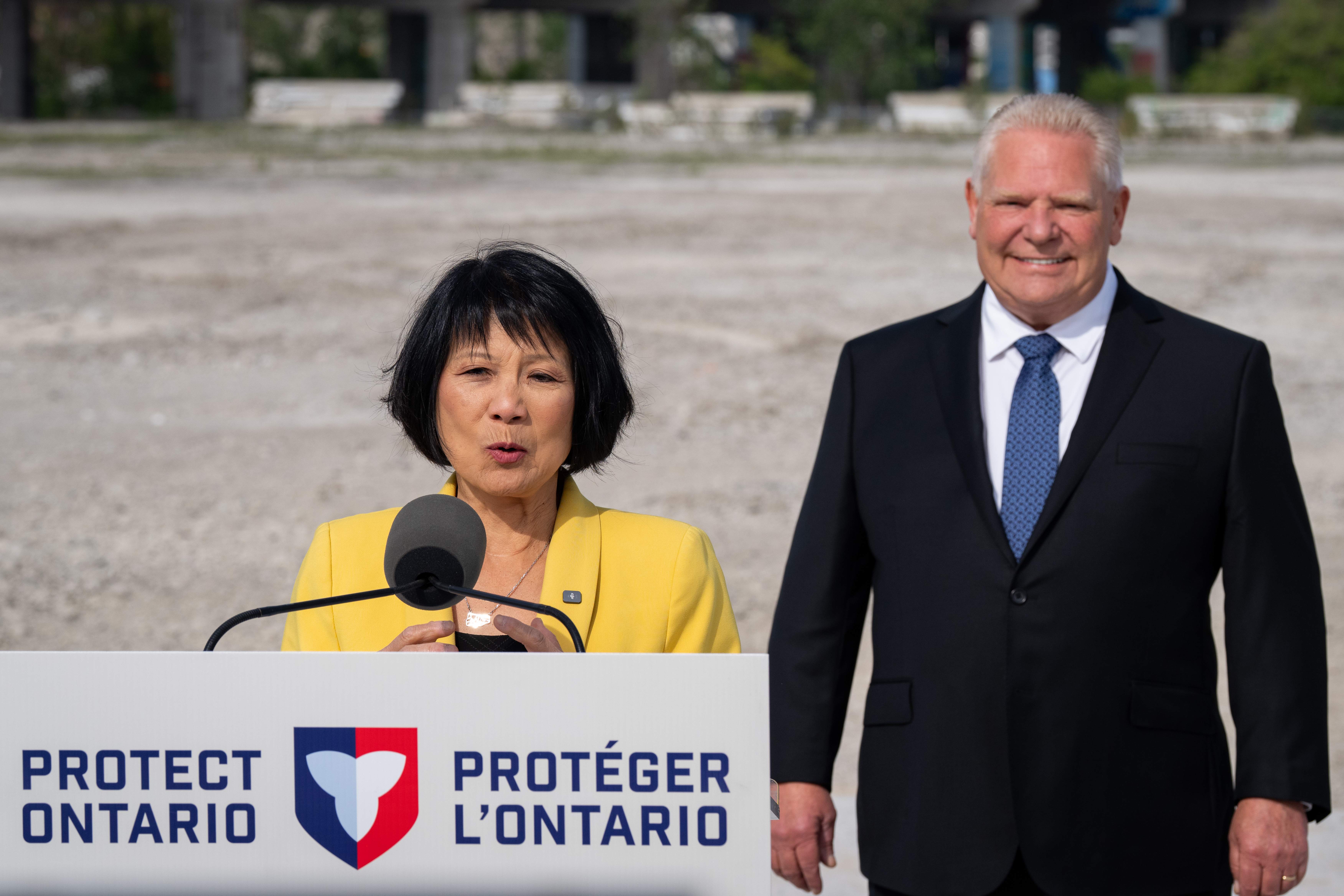
It started with a phrase that was tailor-made for media chaos. When asked about where he stood on Toronto's mayoral race, Ford praised Chow, highlighted a phenomenal working relationship, pointed to over $9 billion in provincial funding, and dropped four words that set off an immediate political firestorm: "Read between the lines."
Naturally, everyone read between the lines and saw an endorsement. But within 24 hours, Ford's office was scrambling to put out the fire, insisting that glowing praise does not equal an official stamp of approval.
The Dangerous Art of the Non-Endorsement
If you want to understand why Ford's comments caused such immediate whiplash, you have to look at the stakes. Municipal elections in Toronto are fiercely contested, and an endorsement from a high-profile provincial conservative premier carries immense weight—both as an asset and as a political weapon.
When Ford stood shoulder-to-shoulder with Chow and called her work incredible, opponents immediately pounced. Brad Bradford, one of Chow's chief rivals in the race, didn't hesitate to weaponize the moment. His campaign blasted out releases claiming the premier had anointed Chow because she was supposedly the easiest politician for him to negotiate with.
That is political quicksand. Ford heads a Progressive Conservative government at Queen's Park, and overtly backing a progressive mayor in a contentious municipal battle alienates conservative base voters. Ford realized he had colored outside the lines, prompting a swift retreat. By Friday, he was on talk radio clearing the air, noting that when he actually endorses someone, there is no ambiguity. You don't tell people to decode a puzzle; you spell it out.
Why the Mixed Signals Happen
Why did Ford flirt with an endorsement in the first place? Pragmatism. Governing the Greater Toronto Area requires a delicate dance between ideological posturing and administrative reality. Ford has funneled billions into municipal coffers, and working constructively with Chow is a necessity, regardless of political stripes.
Ford prides himself on being a retail politician who cuts deals. In his mind, praising a mayor for securing provincial cash is just good governance. He wants voters to see him as a leader who gets things done, even if that means partnering with politicians from across the political spectrum.
Yet, words matter in high-stakes politics. Saying someone is doing an incredible job while standing at a joint podium looks and feels like an endorsement, no matter how many times spin doctors try to redefine it later.
The Fallout for Toronto’s Mayoral Race
This slip of the tongue injected unnecessary drama into a municipal campaign that was already grappling with major financial pressures, tax debates, and housing crises. Challengers like Bradford used the moment to paint Chow as too cozy with the provincial government, arguing that a compliant mayor means less resistance against provincial mandates.
At the same time, Chow's camp didn't lean heavily into the supposed endorsement either, knowing that tying oneself too closely to a polarizing provincial premier can turn off progressive voters in downtown Toronto. Both sides prefer clear battle lines. Ford's ambiguity threatened to blur those lines entirely.
Politicians think they can have it both ways—dropping casual hints to charm the person standing next to them while leaving a backdoor open for denial. But the modern news cycle doesn't let anyone get away with winking at the camera.
Doug Ford wanted to project cooperation, but he ended up staging a masterclass in how to accidentally ignite a political crisis with a single phrase. Next time, he will likely skip the literary hints and stick to plain speaking.