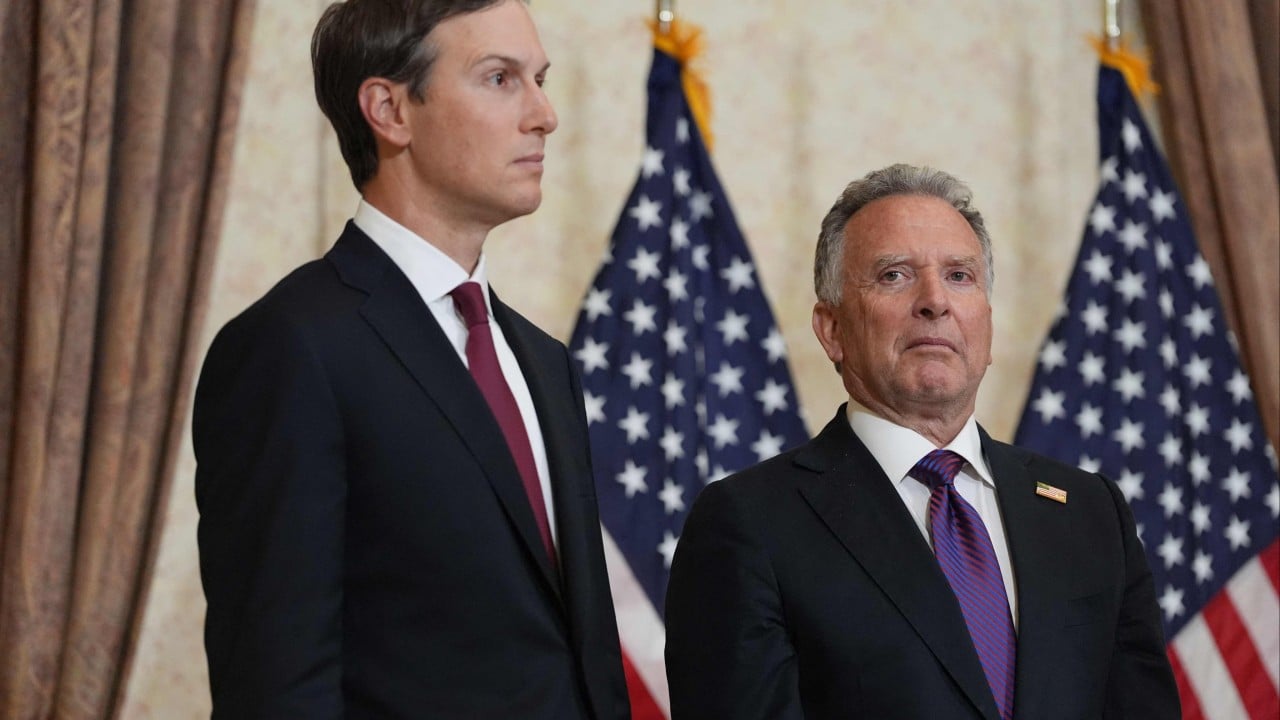
Diplomatic protests are the theater of the insecure. When the Israeli envoy to Japan lashed out at a television commentator for mentioning Jared Kushner’s Jewish identity, we didn't witness a defense of truth. We witnessed the systematic weaponization of "offense" to shut down uncomfortable geopolitical analysis.
The commentator, Toshimitsu Shigemura, suggested that Kushner’s background influenced his Middle East policy. The Israeli embassy called it "anti-Semitic." The media called it a "scandal." Both sides are wrong. By treating a person’s cultural and religious framework as a forbidden variable in political calculus, we aren't fighting prejudice. We are blinding ourselves to how power actually functions.
The Myth of the Neutral Actor
Mainstream political analysis clings to a delusional fantasy: the idea of the "Neutral State Actor." We are told to believe that high-level advisors enter the West Wing, strip off their personal history, and operate as sterile logic processors.
This is a lie.
Every negotiator brings a map of the world to the table. That map is drawn by their upbringing, their community, and their heritage. To suggest that Jared Kushner—a man whose family has deep, documented ties to the Likud party and Israeli settlements—is somehow "neutral" is an insult to our collective intelligence.
When a commentator points this out, they aren't engaging in a "conspiracy theory." They are performing a basic audit of bias. If a Greek-American advisor were brokering a deal between Athens and Istanbul, nobody would blink if a journalist questioned their ties to the Greek lobby. Yet, when the subject is Israel, the outrage machine demands total silence.
Identity is Not a Shield
The "outrage" here is a tactical distraction. By labeling any mention of identity as "bigotry," diplomatic entities create a No-Fly Zone around their interests.
- The Goal: Silence dissent by making the price of observation too high.
- The Method: Conflating analysis of influence with hatred of a group.
- The Result: A lobotomized public discourse where we can't discuss why certain policies (like the Abraham Accords) look the way they do.
I have spent decades watching lobbyists and diplomats navigate Washington. The most effective ones are those who have successfully convinced the press that looking into their background is "problematic." It is the ultimate professional armor. If you can make the referee afraid to blow the whistle, you’ve already won the game.
Deconstructing the Anti-Semitism Label
Let’s be precise. Anti-Semitism is a real, lethal, and rising threat. It is the belief in a global cabal or the inherent inferiority of Jewish people. It is not, however, the observation that a specific political appointee might have a specific cultural bias.
When the Israeli envoy uses the heaviest word in the historical dictionary to swat away a Japanese TV pundit, they cheapen the term. If everything is anti-Semitic, nothing is. This isn't just a failure of logic; it is a strategic blunder. You cannot cry wolf every time a commentator deviates from the approved script and expect the world to listen when a real threat emerges.
The Japanese media landscape operates differently than the American or Israeli ones. It is often more blunt, less encumbered by the specific "political correctness" filters of the West. Shigemura wasn't calling for a pogrom; he was trying to explain to a Japanese audience why a specific American administration favored one side of a conflict so aggressively. He was doing his job.
Why We Fear the "Special Interest" Conversation
The reason this incident sparked such a firestorm is that it touches the third rail of modern geopolitics: the influence of ethnic and religious lobbies.
We are terrified to admit that the United States is not a monolith. It is a collection of competing interest groups. The "National Interest" is just whatever group has the best PR and the deepest pockets at any given moment.
- Financial ties: Kushner’s family business received significant investments from Israeli firms.
- Religious ties: Kushner is an Orthodox Jew who has consistently supported Israeli hardline positions.
- Political ties: His relationship with Benjamin Netanyahu predates his time in the White House.
In any other industry—banking, tech, pharma—these three points would be called a "Conflict of Interest." In the world of diplomacy, pointing them out is called a "Hate Crime."
This is the "lazy consensus" the competitor article fell into. They reported on the protest as if the envoy’s anger was the only story. The real story is the successful enforcement of a double standard. We have allowed the fear of being labeled an "ist" or a "phobe" to prevent us from asking basic questions about who is running our world and why.
The Japanese Context vs. Western Sensitivity
Japan doesn't have the same history of Judeo-Christian tension that defines the West. This often leads to "cultural friction" where Japanese commentators speak about Jewish identity with a directness that makes Westerners flinch.
But directness is not the same as malice.
Western diplomats often act like the world’s moral police, demanding that every culture adopt their specific set of linguistic taboos. When the Israeli envoy demands an apology from a Japanese network, they are engaging in a form of cultural imperialism. They are saying, "Your media must follow our rules of engagement, even if those rules are designed to protect our specific political interests."
The Cost of Manufactured Outrage
What happens when we stop being able to identify the drivers of policy?
- Bad Predictions: If you ignore the personal motivations of negotiators, you will never understand why deals fail or succeed.
- Public Distrust: When people can see the influence with their own eyes but are told by "experts" that it’s a hallucination, they turn to actual conspiracy theories.
- Policy Stagnation: We continue to apply the same failed frameworks because we’ve banned the discussion of the underlying variables.
Stop Apologizing for Observations
The Japanese network's reflex should not have been to cower. They should have doubled down.
Imagine a scenario where a journalist is silenced for pointing out that a CEO’s background in the oil industry might influence their views on carbon taxes. We would call that a corporate cover-up. Why do we treat the State Department or the Prime Minister's Office any differently?
We need to stop treating identity as a "get out of scrutiny free" card. If your identity informs your policy, your identity is a valid subject of public debate. Period.
The envoy’s protest wasn't about protecting the Jewish community. It was about protecting a specific political legacy. It was a PR move designed to ensure that the "Kushner Doctrine" remains viewed as a product of American genius rather than a product of specific, localized interests.
The industry is full of people who are paid to be offended on behalf of governments. Their job is to create a "chilling effect." They want you to delete that tweet, rewrite that headline, and soften that critique.
Don't.
The moment you start censoring your observations to avoid a diplomatic "incident," you’ve stopped being a commentator and started being a volunteer for the government’s press office. The truth is often offensive to those who benefit from the lie. If your analysis doesn't trigger a protest from an embassy every now and then, you probably aren't saying anything worth hearing.
Diplomacy is the art of saying nothing while doing everything. Journalism—and sharp industry analysis—must be the exact opposite. It must be the art of saying everything, especially the things the men in suits are screaming at you to ignore.
The protest isn't a sign that the commentator was wrong. It's a sign that they were uncomfortably close to the mark.