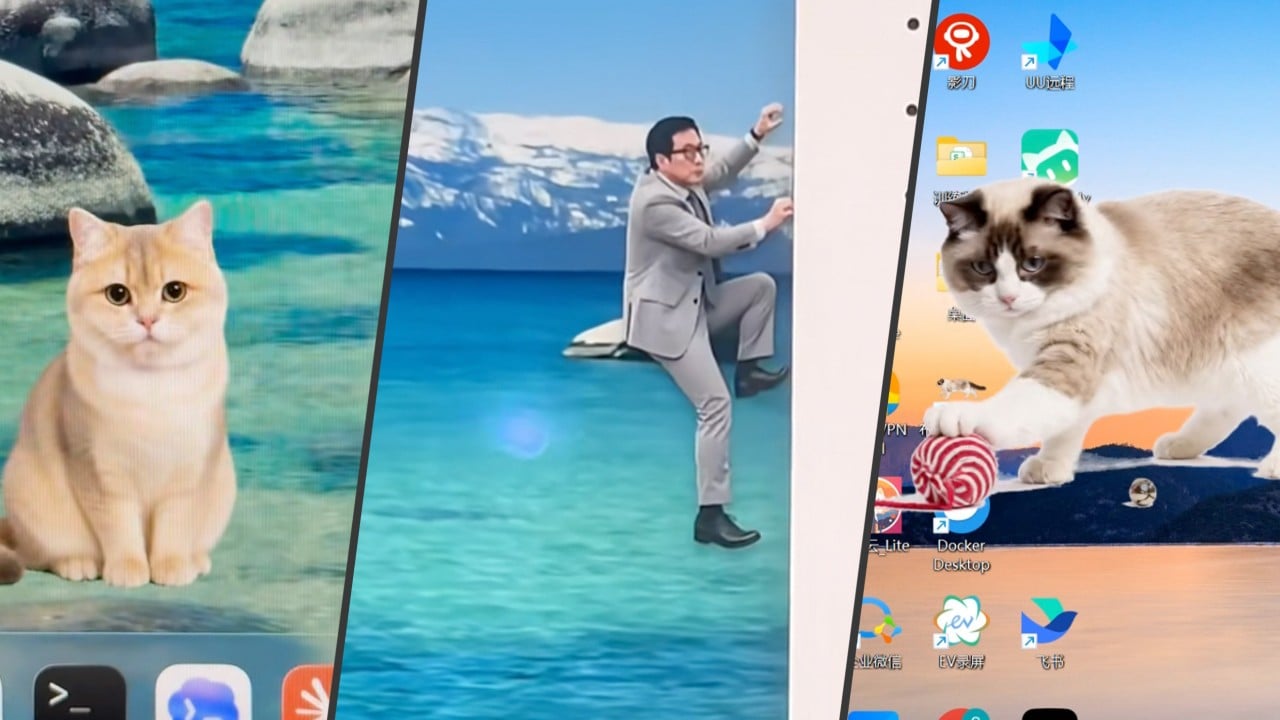
The modern workplace is a pressure cooker, and in China, the steam is finally finding a vent. Young professionals are turning to AI desktop pets, not just for the novelty of a digital companion, but to perform a subversive ritual: they are uploading images and prompts of their actual managers to turn them into subservient, screen-roaming avatars. This trend serves as an aggressive form of psychological release for those trapped in high-stress, hierarchical corporate environments where dissent is professionally fatal.
The mechanism is simple but pointed. Using readily available AI tools, employees configure these digital versions of their superiors to kowtow, offer apologies, or perform manual labor like serving tea. When a boss is perceived as unreasonable or demanding, the employee drags their digital counterpart across the screen with a mouse, forcing them to navigate the edges of a browser window or endure simulated discomfort. It is a visual, interactive act of defiance that transforms the fear of authority into a manageable, pixelated annoyance.
This is not merely about fun or digital play. It is a symptom of a deep-seated disconnect between labor and management in an era where AI is rapidly eroding job security. The trend mirrors the desperation of a workforce that feels their professional contributions are being systematized and discarded. By commodifying the likeness of a superior into a "pet," workers are reclaiming agency over their own workspace. They are physically and digitally asserting dominance over the people who hold power over their livelihoods.
While many observers categorize this as a quirky technological fad, the implications reach into the legal and ethical foundations of the digital workplace. Transforming a real human into a caricature for the purpose of mocking them creates a gray zone regarding portrait rights and harassment. Legal experts have already begun warning that using a person's likeness without consent—even in a private, digital setting—could escalate into formal disputes. The transition from venting to potential litigation is a short one in a corporate climate where surveillance is constant and trust is nonexistent.
The attraction to these tools also points to a failure of traditional HR structures to address chronic employee burnout. When the only way to vent the frustration of an impossible deadline or a condescending performance review is to "pet" a digital avatar of your manager, it signals that communication channels have effectively collapsed. Employees are no longer seeking resolution or feedback; they are seeking emotional safety. They are curating their own reality to insulate themselves from the harshness of their daily tasks.
This behavior also reveals a darker, more pragmatic reality of the current employment landscape. In many tech-heavy industries, workers are being forced to document their own workflows in painstaking detail, effectively training the AI systems that will eventually replace them. The anxiety surrounding this phenomenon is palpable. When a worker turns their boss into a digital pet, they are mimicking the very process of objectification that they fear is being applied to them. It is a mirror held up to the corporate machine. The boss becomes the toy, momentarily stripping them of their authority and reducing them to a set of pre-programmed behaviors.
Consider a hypothetical scenario where an employee feels ignored during a project review. Instead of confronting a manager, which could lead to retaliation, the employee utilizes an AI tool to create an avatar that says exactly what they wish the manager would say: "I value your time," or "Let us prioritize your mental health." This creates an artificial, synthetic validation that provides a momentary hit of dopamine, satisfying an emotional void that the workplace refuses to fill. It is a psychological placebo.
However, placebos have side effects. By leaning into these digital coping mechanisms, workers may be delaying the necessary confrontation with systemic issues that truly require structural change. The danger is that the "virtual pet" becomes a substitute for real advocacy. If a company can provide a high-pressure environment that is "compensated" for by allowing workers to play with virtual dolls of their leaders, the pressure on management to actually improve working conditions disappears.
We are witnessing the emergence of a new form of digital folklore. These desktop pets are not just code; they are vessels for the suppressed voices of a generation. They are the digital version of a voodoo doll, crafted not to cause physical harm but to restore a sense of balance. In an environment where the boss controls your salary, your hours, and your access to future opportunities, the ability to control their movement with a flick of a wrist is a profound, if transient, power.
The sustainability of this trend remains questionable. As AI platforms become more sophisticated, the line between harmless venting and actionable digital harassment will continue to blur. Corporations that ignore this signal do so at their own peril, as it represents a total breakdown of the traditional social contract between the employer and the employee. When workers no longer respect the authority figure enough to engage with them as humans, the culture of the organization is already broken.
The path forward for management is not to ban these digital tools—a measure that would only solidify the adversarial relationship—but to recognize the desperation they represent. A desktop pet that kneels and apologizes is a glaring indictment of the management style that made such a fantasy necessary in the first place. The real challenge is whether organizations have the capacity to move beyond surveillance and control to restore the human connection that technology has so thoroughly fragmented. Until then, the screen remains the only place where the worker can truly win.