An over-a-century-old Hindu temple in the Narowal district of Pakistan’s Punjab province was reduced to rubble on August 21, triggering an intense dispute over whether the structure succumbed to natural decay or was violently razed in a calculated land grab. The shrine, situated in Siraj village roughly 130 kilometers from Lahore, sat on a roughly 1,000-square-meter plot that quickly became the focal point of competing narratives involving bureaucratic negligence, illegal seminary expansion, and far-right political pressure.
Local minority bodies and political representatives point an accusing finger at a faction tied to the Tehreek-i-Labbaik Pakistan, a banned radical group, asserting that the structure was deliberately torn down to absorb its footprint into an adjoining religious seminary. State authorities counter this claim with a convenient meteorological defense. Officials from the Evacuee Trust Property Board maintain that heavy seasonal downpours caused the century-old brickwork to collapse entirely on its own. For a deeper dive into similar topics, we suggest: this related article.
Bureaucratic Blind Spots and Paper Orders
To understand how a historic sanctuary disappears, one must trace the paper trail managed by the Evacuee Trust Property Board, the government body tasked with safeguarding properties left behind by minorities who migrated during and after the 1947 Partition. The land immediately adjacent to the Narowal temple had been leased out for the operation of a madrassa. Over time, that lease ran into trouble. Rent went unpaid for years, and the property strayed far from its officially mandated educational use.
Administrative enforcement moved at a glacial pace until January 29, when the ETPB deputy administrator in Sialkot issued a formal order. That directive explicitly cancelled the seminary's lease rights, ordered the immediate eviction of illegal occupants, and mandated the sealing of the compound. To get more details on the matter, in-depth analysis can be read at NBC News.
The order remained a ghost document. Local police reports filed as late as April acknowledged rising security risks and the distinct possibility of structural damage or encroachment at the site. Yet, no protective measures materialized. When heavy August rains arrived, they found a site already compromised by prolonged administrative paralysis and unauthorized occupation.
The Anatomy of Erasure
Eyewitness accounts and subsequent delegations paint a grim picture of systemic institutional failure. Aslam Parvez Sahotra of the Pakistan Masiha Millat Party met with provincial interior officials to present a detailed grievance, noting that the physical remnants of the temple—including the sacred metal fittings from the dome and reusable bricks—vanished from the location shortly after the structure fell.
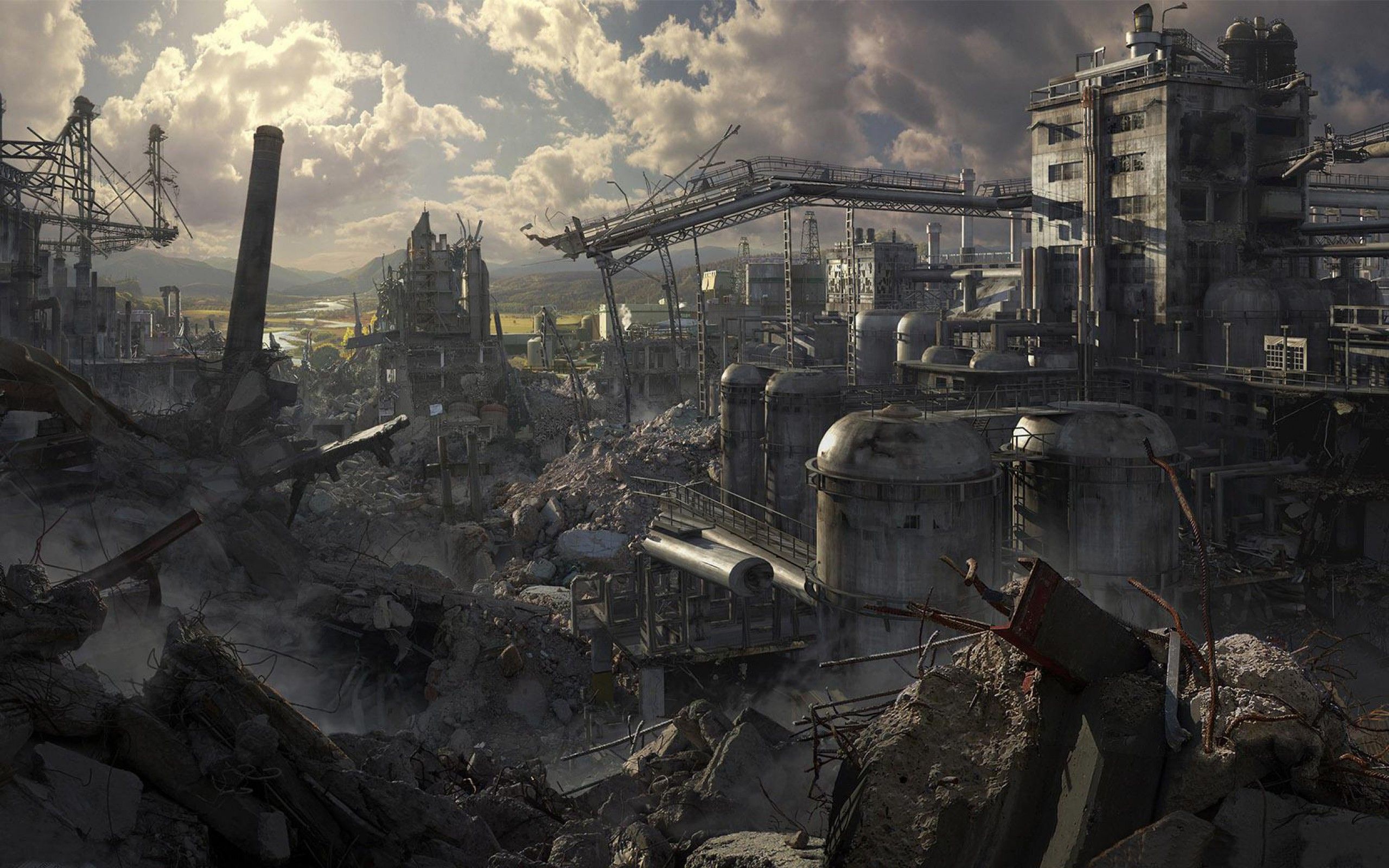
When bricks and architectural fragments are stripped away from a fallen heritage site, the event shifts from a structural failure to a salvage operation. Minority leaders argue that the deliberate stripping of sacred materials points to a coordinated effort to erase physical proof that a non-Muslim place of worship ever stood on the land.
Community leaders like Rattan Lal, a member of local peace committees, express a chilling reality for the remaining Hindu population in the region. The presence of an expanded, aggressive seminary directly over or beside the disputed perimeter creates an atmosphere of intimidation. Local Hindus no longer visit the coordinates of their ancestors, deterred by the hostile environment that swallowed the shrine.
The Broader Landscape of Neglect
This incident is not an isolated anomaly. It reflects a wider, systemic vulnerability affecting thousands of temples, gurdwaras, and churches across Pakistan. While state bodies formally claim custody of abandoned minority properties, local political dynamics often override statutory protections. Religious seminaries and local strongmen frequently eye prime parcels of urban and rural real estate, using intimidation, administrative loop-holes, or outright force to expand their footprint.
The ETPB operates with limited resources and often lacks the political backing required to evict entrenched religious or political actors from disputed parcels. When state functionaries routinely look the other way, heritage crumbles. Whether a historic shrine falls because of a sudden monsoon storm or the swing of a sledgehammer matters little if the end result is identical: the quiet, permanent erasure of pluralistic history from the rural map. Restoration promises are frequently issued by bureaucrats under media pressure, but physical rebuilding rarely follows the headlines. The rubble in Narowal remains uncollected, and the silence from district authorities grows heavier by the day.