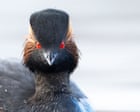
You drive past industrial parks and housing developments in Cheshire, and you expect concrete. You expect noise. You don't expect to hear the haunting, liquid calls of a black-necked grebe echoing across open water.
Yet, that is precisely what is happening across restored Cheshire wetlands. Meanwhile, you can explore related stories here: The Midnight Weight of Flour and Memory.
For decades, we treated wetlands like waste products. If a patch of land was soggy, we drained it, built over it, or filled it with rubble. Conservation used to mean putting a fence around a postage-stamp-sized nature reserve and hoping for the best. That hands-off approach failed. Nature doesn't recover just because you leave it alone with a padlock on the gate. It needs deliberate, heavy-duty help to undo a century of damage.
When environmental groups and local volunteers decided to rescue a degraded industrial scrape in Cheshire, they weren't just digging mud. They were rewriting the rules of habitat restoration. To explore the bigger picture, we recommend the detailed article by Vogue.
Why the Black-Necked Grebe Refused to Give Up
To understand why this specific Cheshire restoration matters, you have to look at the bird driving the headlines. The black-necked grebe is famously picky. These birds are migratory waterbirds with striking golden ear tufts and fiery red eyes. They don't want a generic pond. They need a very specific cocktail of shallow, nutrient-rich water, dense marginal vegetation for hiding nests, and an absolute absence of predatory fish that eat their chicks.
Britain's breeding population of black-necked grebes has always hovered on the knife-edge of extinction. They are Britain's rarest breeding grebe. Lose a couple of key sites, and the species vanishes from the UK breeding map entirely.
Traditional conservationists spent years watching these birds bounce from one failing site to another. Water levels dropped too low in summer. Invasive weeds choked the shallows. Mink found the nesting sites. It was a constant cycle of heartbreak.
The Cheshire project changed the playbook by engineering predictability into a chaotic ecosystem. Conservationists didn't just dig a hole and walk away. They sculpted complex bathymetry—creating underwater shelves, deep-water refuges, and isolated islands safe from land predators. They installed specialized water control structures to manage seasonal floods and droughts.
When you give rare wildlife the exact architectural specs they evolved to need, they show up. And boy, did they show up. Pairs of black-necked grebes arrived, scouted the new reedbeds, and immediately started breeding.
The Dirty Truth About Wetland Restoration
Nobody wants to talk about the ugly side of rewilding. We love the glossy Instagram photos of kingfishers and fluffy grebe chicks riding on their parents' backs. We forget about the years of heavy machinery, mud, sweat, and regulatory nightmares it takes to get there.
Restoring a wetland isn't a romantic stroll through the reeds. It's civil engineering disguised as ecology.
At the Cheshire site, the biggest enemy wasn't a lack of desire; it was historical legacy pollution and severed water tables. Decades of agricultural runoff had pumped astronomical levels of phosphates into the soil. If you flood a nutrient-loaded basin without a plan, you don't get a pristine wildlife haven. You get a toxic algae bloom that kills every fish, frog, and invertebrate in sight.
Restoration teams had to scrape away topsoil layers. They had to redirect historical drainage ditches that had dried out the floodplain back in the Victorian era. This meant working with local farmers, negotiating water rights, and spending months arguing with environmental agencies over permits.
If you're thinking about supporting local habitat restoration or getting involved in hands-on conservation work, drop the romantic notions. You'll spend more Saturday mornings pulling Himalayan balsam or clearing choked silt traps than you will gazing wistfully at rare birds through a telescope. But when those rare birds finally touch down on water you helped heal, the ache in your lower back vanishes.
What Other Regions Can Learn from Cheshire
Most conservation projects fail because they are too timid. They tinker at the edges of a broken ecosystem. They plant a few wildflower seeds on a roundabout and call it sustainability.
Cheshire proved that bold, aggressive intervention works. You have to be willing to tear up the concrete, plug the drainage pipes, and reshape the earth.
Here is what actually works when bringing back lost wetlands:
- Control the water, don't just collect it: Rain is unreliable. Successful restorations rely on engineered control gates to manage water depths dynamically across seasons.
- Eradicate invasive species early: American signal crayfish and floating pennywort will destroy a wetland faster than climate change. You need an aggressive removal protocol before native species are reintroduced.
- Involve the community immediately: The Cheshire project survived local opposition and funding cuts because nearby residents helped monitor bird populations and clear brush. Local eyes keep the project alive.
- Design for the pickiest species: If you build a habitat that suits the black-necked grebe or the bittern, you automatically create a home for dozens of common species. Aim high.
How to Experience and Support Local Wetland Recovery
You don't need a degree in zoology to make a difference, nor do you need to sit in a blind for twelve hours to see conservation in action.
Start by visiting working restoration sites instead of pristine, heavily touristed national parks. Places like the Cheshire flashes and scrape networks rely on visitor numbers to justify ongoing funding to local councils and trusts. Pay for parking. Buy the guidebook.
If you own land with a damp patch, a ditch, or a small seasonal pond, stop trying to drain it or pipe it underground. Let it hold water. Dig out a shallow scrape, plant native yellow iris and reed sweet-grass, and keep your dogs out of it during spring nesting season. You might be surprised by what finds its way into your backyard within a single season.
Nature is remarkably resilient, but it needs a running start. Cheshire proved that when we stop fighting the water and start working with it, the wild comes rushing back.