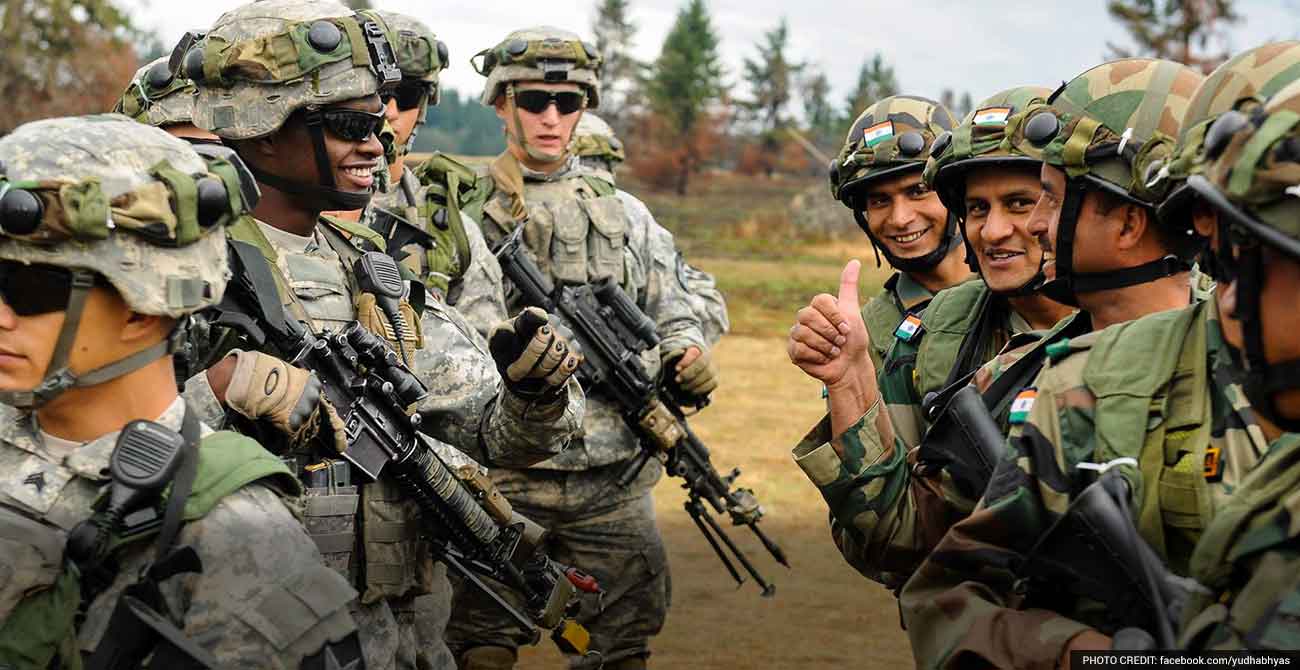
We've all seen the dramatic optics. Humvees parked near iconic federal monuments, armed personnel standing watch at street corners, and politicians promising absolute law and order through sheer military might. The idea that national guard units or active-duty troops can suddenly transform a volatile neighborhood into a peaceful sanctuary sounds compelling on paper. It offers an easy visual of control. Yet, anyone who has actually looked past the political posturing knows reality tells a very different story.
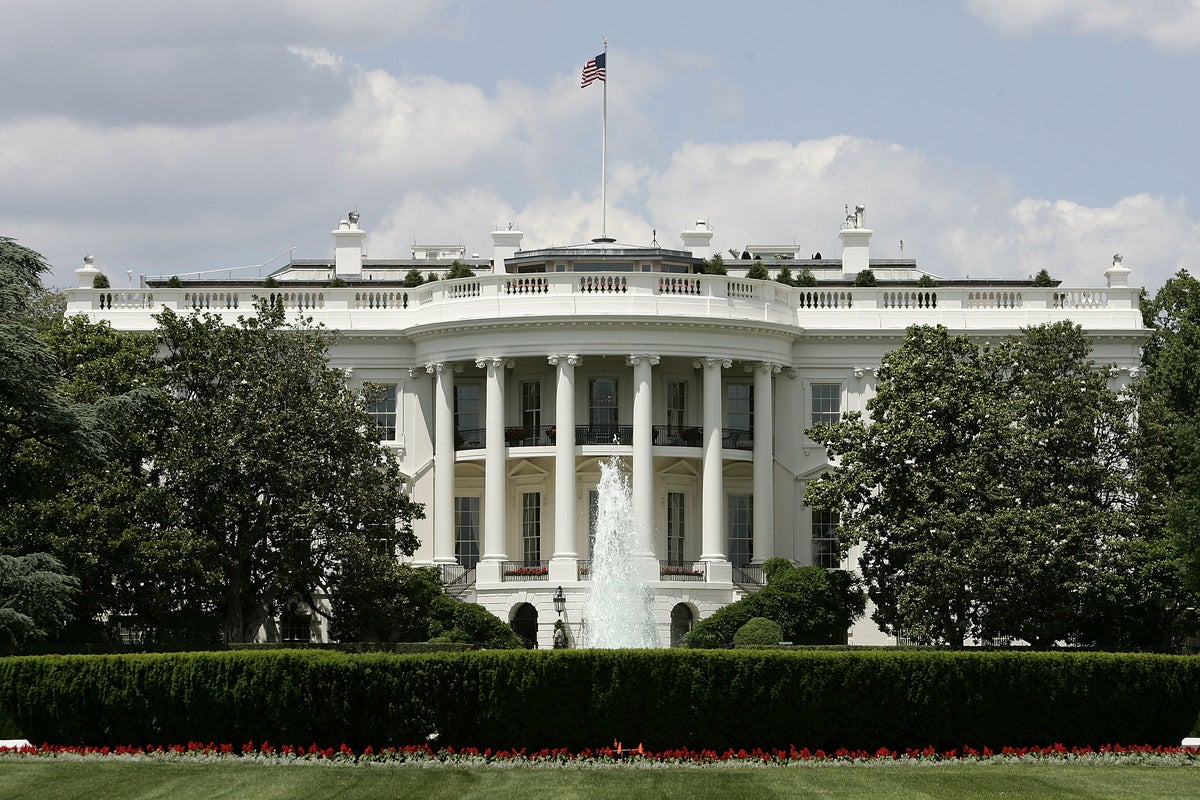
Deploying soldiers onto city streets like Washington D.C. rarely achieves its stated goal of suppressing crime. Military forces aren't trained for neighborhood beat policing, community engagement, or the nuanced legal thresholds required for civilian arrests. When you drop infantry units into an urban environment, you are basically trying to fix a complex structural issue with a heavy-handed blunt instrument.
The Fundamental Mismatch of Military Training
Soldiers undergo rigorous preparation to engage and neutralize hostile foreign threats. Their entire institutional ethos revolves around warfare, tactical dominance, and securing territory against defined enemies. Local policing requires an entirely opposite skill set. Street-level public safety depends heavily on de-escalation, constitutional restraints, local knowledge, and long-term trust-building with residents.
Asking a soldier to handle routine domestic disputes or manage minor property offenses creates an immediate operational mismatch. Troops lack jurisdiction and familiarity with local ordinances. They don't know the neighborhoods, they don't know the repeat offenders, and they certainly aren't equipped to navigate the complex web of civil liberties governing American citizens.
When federal administrations or state governors flood capital streets with armed personnel, crime rates rarely budge in any meaningful, sustained way. Studies analyzing historical surges of National Guard deployments in urban centers show that visible patrols might briefly displace illegal activity by a few blocks, but they fail to eradicate underlying criminal networks. Once the troops pack up and leave, crime metrics generally bounce right back to where they started.
The Illusion of Safety Versus Actual Security
Politicians love the theatrical value of military presence because it signals immediate action. It creates an optical illusion of security that plays well in television broadcasts. But citizens living in these communities experience the friction firsthand. Having camouflage-clad patrols on residential blocks doesn't stop a drug deal happening inside an apartment building or deter a domestic dispute behind closed doors.
Real public safety requires tedious, unglamorous work. It takes robust investigative units, forensic technology, community-based violence interruption programs, and efficient local judicial systems. None of these elements can be improvised by deploying battalions of troops who are legally restricted from acting as traditional law enforcement officers anyway. Posse Comitatus laws strictly limit the domestic use of the military for a reason. Federal troops cannot routinely execute arrests, search properties, or act as police without running afoul of foundational legal frameworks designed to prevent military overreach in civilian life.
What Actually Moves the Needle
If you want to understand why crime drops in certain areas and spikes in others, look at community investment and targeted policing strategies. Precision policing models that focus resources on specific repeat offenders and hot-spot locations yield far better results than random military saturation.
Cities that successfully reduce violent crime usually focus on modernizing their local police departments, improving retention rates for experienced officers, and partnering directly with local social services. Pouring money into temporary military deployments is mostly political theater designed to score points with distant voters rather than a serious strategy for urban safety.
Stop expecting military solutions to fix civic problems. Real neighborhood security comes from community trust, competent local governance, and smart policing, not from parking tanks on street corners.