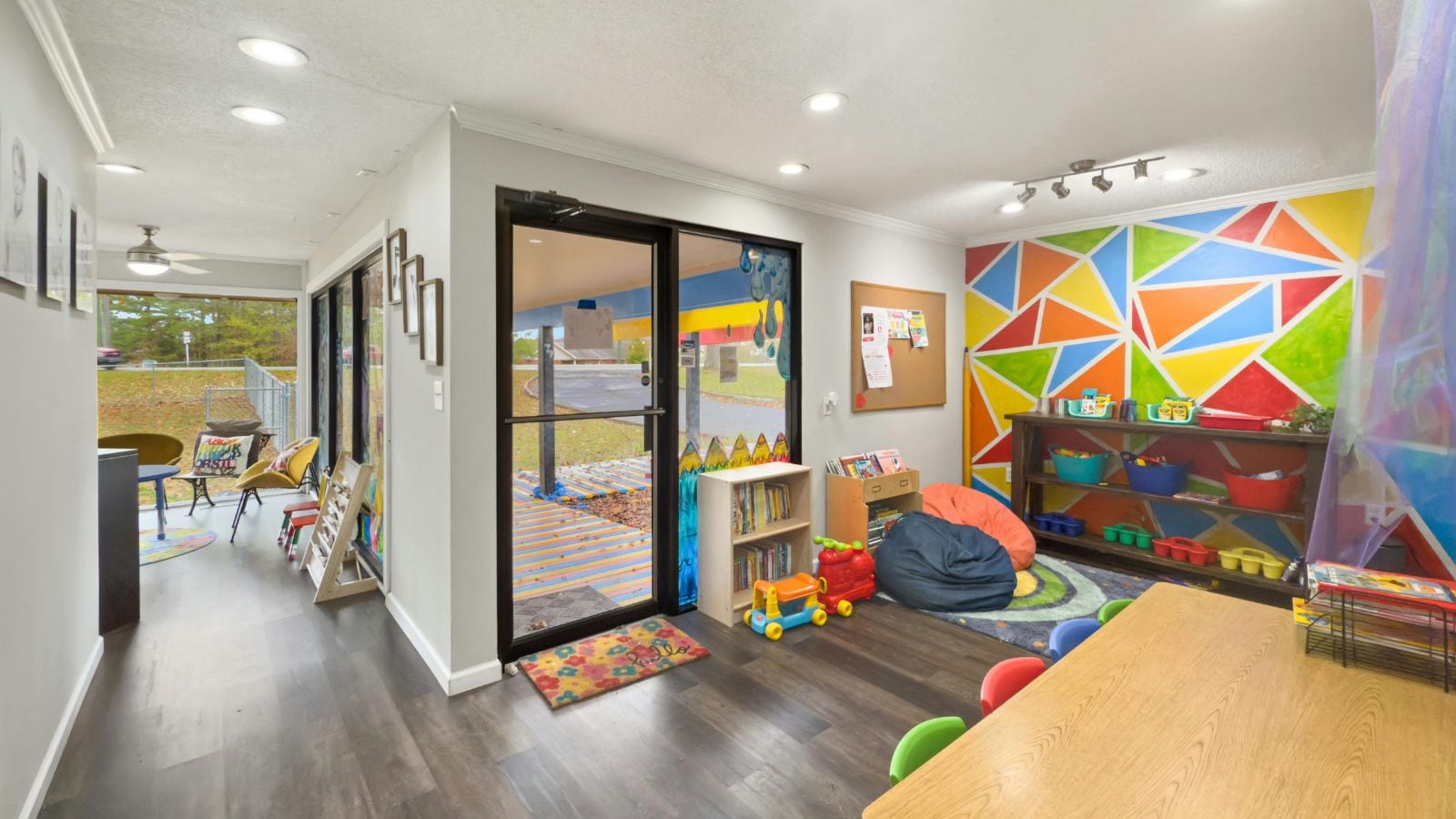
The facade of a "premium" daycare in Indonesia often begins with a polished Instagram feed and ends behind a locked door where no parent is allowed to step. For dozens of families in Depok and Jakarta, the nightmare didn't start with a scream; it started with a quiet, systematic betrayal of trust. When police recently raided a high-end facility and discovered over 50 children subjected to physical restraint and prolonged neglect, the shockwaves hit a middle class that believed they could buy safety. These parents paid for air conditioning, organic meals, and educational stimulation. Instead, they purchased a ticket to a house of horrors where "quiet time" was enforced by tying toddlers to chairs.
This isn't an isolated incident of a single "bad apple" supervisor. It is the inevitable result of a massive regulatory vacuum in a country where the demand for childcare is exploding. Indonesia’s rapid urbanization and the rise of dual-income households have outpaced the government’s ability to license and inspect these facilities. As a result, unlicensed centers operate in the shadows, masquerading as elite institutions while practicing methods that border on torture.
The Illusion of Excellence
Many of these facilities maintain an "excellent" reputation through aggressive social media marketing. They post photos of smiling children during the one hour of the day when the lighting is perfect and the staff are performing for the camera. Parents are often barred from entering the actual care rooms under the guise of "maintaining a sterile environment" or "preventing separation anxiety."
This barrier is the first red flag. In a truly transparent childcare system, a parent should have the right to drop in unannounced. When a facility creates a physical or procedural wall between the parent and the child’s daily reality, it creates a space where abuse can be systematized. In the Depok case, neighbors reported hearing muffled cries for months, yet the facility’s public-facing persona remained spotless. The discrepancy between the digital brand and the physical reality is where the danger lives.
Why Restraint Becomes a Business Strategy
To understand why a caregiver would tie a child down, you have to look at the math of an unregulated daycare. Profit margins in childcare are thin. To increase those margins, owners often hire untrained staff at minimum wage and double the child-to-teacher ratio beyond what is safe or legal.
When one person is tasked with managing fifteen toddlers in a small, sweltering room, they cannot provide care. They can only provide "containment." Restraint becomes a tool of convenience. It is a way to keep a room quiet and manageable with a skeleton crew. It is not an act of individual cruelty in every case; it is often a structural requirement of a business model that prioritizes volume over safety. The children found tied up weren't being punished for bad behavior. They were being "stored" so the facility could maintain its overhead.
The Failure of the Licensing System
Indonesia has strict laws on paper regarding the protection of children, but the enforcement mechanism is broken. Most daycares operate as "informal" businesses. They register as a standard small business or, in many cases, don't register at all. Because they aren't officially categorized as educational or medical institutions, they fall through the cracks of the Ministry of Education and the Ministry of Social Affairs.
The Problem with Self Regulation
When the state fails to provide a robust inspection framework, the industry is left to regulate itself. This never works.
- Accreditation is often purchased, not earned, through small-scale private associations with no legal teeth.
- Background checks are non-existent, allowing individuals with histories of violence to move from one province to another and open new centers.
- The "Rating" Trap means parents rely on Google reviews, which are easily manipulated by the business owner.
Identifying the Hidden Red Flags
Parents cannot wait for the government to fix the system. Protection requires a cynical eye and a willingness to ask the uncomfortable questions that many providers try to dodge. A "luxury" price tag is no guarantee of safety.
The Observation Test If you are not allowed to see where your child naps or eats, leave. Any facility that cites "policy" to prevent you from seeing the actual living conditions of the children is hiding something. High-end facilities often use high-definition cameras to show parents a live feed, but even these can be manipulated. Cameras often have blind spots where "discipline" occurs.
The Staff Turnover Metric
Ask how long the lead teachers have been there. If the staff is a revolving door of teenagers or untrained workers, the facility is likely cutting corners on wages. Happy, well-paid staff don't tie children to chairs. Buried, exhausted, and underpaid staff might.
The "Zombified" Child
Pay attention to how the children react when parents arrive. In the recent police raids, investigators noted that many children were eerily quiet. This is often a sign of "learned helplessness," a psychological state where a child stops crying because they know no one is coming to help. A healthy daycare should be noisy, chaotic, and active. A silent daycare is a graveyard for development.
The Economic Pressure Cooker
We have to acknowledge the pressure on Indonesian parents. In cities like Jakarta, the cost of living is skyrocketing. Both parents must work. Extended family networks, which used to provide a safety net, are dissolving as people move away from their villages. This desperation makes parents vulnerable to the first "affordable" or "convenient" option they find.
The industry knows this. They prey on the guilt of working mothers by promising a "home away from home." They use words like "Montessori" or "International" as labels without actually following those curricula. It is a marketing veneer designed to extract as much cash as possible while providing the absolute minimum level of human supervision.
Rebuilding the Foundation
The solution isn't just more police raids. By the time the police are involved, the trauma is already inflicted. The entire architecture of how we view childcare in the city needs to shift from a "service" to a "protected right."
Local governments must mandate that every single facility housing more than three children be registered on a public, searchable database. This database should include their inspection history, staff qualifications, and any filed complaints. If a daycare isn't on that list, it shouldn't be allowed to open its doors. Furthermore, there must be a legal requirement for "open door" policies. A parent’s right to access their child must supersede any corporate privacy policy.
The horror in Depok wasn't a freak accident. It was the logical conclusion of a society that decided childcare was a lucrative market rather than a sacred responsibility. Until the cost of neglecting a child is higher than the profit gained from doing so, the ropes and the locked doors will remain.
Demand to see the rooms. Demand to see the licenses. If the owner hesitates, take your child and walk out. Your intuition is the only thing standing between your child and a system that views them as an inventory item to be shelved.