You used to hear about it all the time. Cuba, a relatively poor island nation, managed to build a healthcare system that was the envy of developing nations. Low infant mortality, high life expectancy, and thousands of doctors sent abroad on prestigious medical missions. It was the crowning achievement of its political system.
But right now, that system is experiencing a brutal, slow-motion collapse. For an alternative perspective, see: this related article.
If you walk into a hospital in Havana today, the reality doesn't match the old reputation. Instead, you'll find doctors operating by the light of smartphones, broken CT scanners, and patients being told to bring their own surgical gloves and bedsheets. The culprit isn't just a lack of funding anymore. A severe, compounding energy crisis is aggressively tearing the system apart, leaving millions of Cubans to face the terrifying human cost of a medical grid going dark.
The Day the Power Ran Out
The true turning point happened earlier this year. Following dramatic geopolitical shifts in Venezuela, Cuba's most critical oil lifeline was abruptly severed. Tightened foreign restrictions on shipping and fuel sales targeted anyone trying to send oil to the island. Related coverage on this matter has been published by Everyday Health.
The consequences didn't stay on paper. They hit the electric grid instantly.
Hospitals across the island now endure power outages lasting 12, 15, or even 20 hours a day. While major municipal facilities technically get priority when the power flickers back on, their backup generators can't handle the load indefinitely. Fuel to run those generators is scarce. This means sophisticated diagnostic equipment like hemodialysis and CT scan machines sits idle, waiting for spare parts that never arrive due to complex trade barriers.
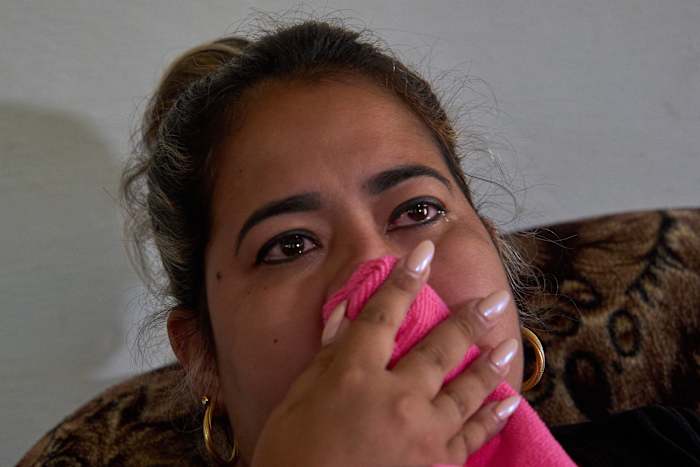
At Havana's Hermanos Ameijeiras Hospital, the country's flagship medical center, the CT scanner has been broken for months. For patients like 34-year-old Irisleydis Tristá, a cancer survivor waiting to see if her tumor has spread, this means living in agonizing limbo. Doctors simply tell her they don't have the resources to find out.
The Shocking Math of a System in Decline
The crisis isn't a vague feeling of decline; it's a measurable disaster. In March 2026, the United Nations launched a massive $94 million emergency plan just to address the humanitarian fallout on the island. Look at what the actual data shows:
- 100,000 Postponed Surgeries: The national surgical waiting list has ballooned past six figures because hospitals lack basic anesthetics, sutures, and stable power. Over 11,000 of those waiting are children.
- Cancer Survival Rates Plummeting: Official government figures revealed that the survival rate for children with cancer plummeted from 85% down to 65% after the latest energy restrictions took hold.
- Maternal Health at Risk: Over 32,000 pregnant women are currently facing severe risks. Why? Because without fuel, they can't get transportation to clinics for routine ultrasounds, and rural doctors can't commute to the delivery rooms.
It gets worse on the ground. At the Ramón González Coro Hospital—the national hub for obstetrics—nurses and doctors have had to manually pump air into the lungs of newborns when the power cut out and mechanical ventilators died. When the water pumps fail due to electricity cuts, medical staff are literally forced to carry heavy buckets of water up flights of stairs so women can give birth in relatively sanitary conditions.
The Pharmacy Traded for the Black Market
Even if you manage to get a prescription from a Cuban doctor, your chances of filling it at a state pharmacy are close to zero. Recent reports indicate that over half of the country's essential medicines are completely out of stock. Basic pain relievers like paracetamol have vanished from official shelves.
Everything has shifted to the black market. If you don't have relatives in the United States or Europe mailing you care packages filled with antibiotics and vitamins, you're forced to buy them online via informal networks at prices that dwarf the average state salary.
Meanwhile, the medical professionals who made the system famous are leaving. Driven by microscopic wages, a lack of resources, and the grueling daily struggle of watching patients die from preventable issues, thousands of doctors and nurses have joined the historic wave of migration out of Cuba.
What This Means for Global Health
What's happening in Cuba is a stark reminder that you can't decouple public health from energy security. A healthcare system can have the most well-trained, dedicated doctors in the world—and Cuban medical professionals are remarkably resilient—but they can't fight infections without surgical gloves. They can't treat leukemia without electricity to run blood banks.
Right now, international organizations like the World Health Organization and the Pan American Health Organization are struggling to even distribute the aid that manages to reach Cuban ports. Dozens of containers filled with food and medical supplies sit under the Caribbean sun because there isn't enough gasoline to truck them to regional clinics.
If you want to support humanitarian relief that actually bypasses bureaucratic gridlock, look toward direct medical aid organizations like Global Health Ministries or Catholic Relief Services, which work with local religious and non-profit networks on the ground to deliver supplies straight to the people who need them. Until the broader geopolitical deadlock over energy supplies shifts, the burden of keeping Cuba's population alive will fall entirely on these fragile humanitarian lifelines.


