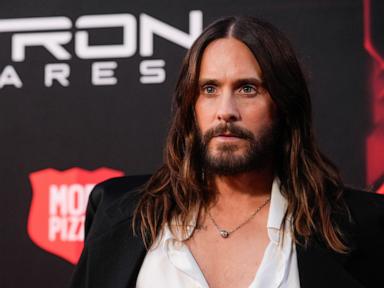
The modern outrage machine operates on a terrifyingly simple formula: an accusation drops, headlines explode, and the public demands an immediate, bloodless ritual of public flaying. When the BBC or any legacy media outlet runs a broadcast concerning allegations against a high-profile figure like Jared Leto, the lazy consensus immediately locks into place. People split cleanly into two camps: the pitchfork-wielding mob assuming absolute guilt, and the tribal fan base defending every breath the star takes.
Both sides are entirely missing the point. Meanwhile, you can read related developments here: Remembering Kavinsky The French Electronic Master Who Defined Modern Synthwave.
We have institutionalized a system of trial by media that completely bypasses due process, transforming serious legal and ethical inquiries into spectator sports. Leto’s camp denies the claims, the network stands by its reporting, and the internet burns through its daily ration of outrage before moving on to the next shiny distraction. Meanwhile, the actual mechanics of accountability are utterly mangled. I have spent years watching crisis management play out behind closed doors in the entertainment industry, and I can tell you with absolute certainty that the current discourse around celebrity allegations achieves exactly zero justice. It only creates noise.
The Flawed Architecture of Modern Allegations
Let us look at how these narratives are constructed and consumed. The lazy consensus assumes that media scrutiny equals a search for truth. It does not. Media scrutiny is a product designed for engagement, built on the currency of shock and emotional validation. To understand the complete picture, check out the detailed report by Associated Press.
When a documentary or investigative report airs, the public treats the output as a settled verdict. This is a catastrophic category error. Journalism is an inquiry, not a judicial finding. Yet, the moment a brand name like the BBC attaches itself to a controversy, the threshold of proof required by the court of public opinion plummets to zero.
Consider the mechanics of the defense. When a celebrity issues a flat denial through representatives, the knee-jerk reaction from the cynics is: "Well, what else would they say?" True. But flip the coin. When an unproven claim is aired without the rigorous cross-examination of a court of law, the knee-jerk reaction from the believers is: "Where there's smoke, there's fire."
This is logical bankruptcy. Smoke can be generated by a smoke machine just as easily as an actual blaze. By accepting either extreme—blind faith in the accused or blind faith in the accuser's narrative before evidentiary verification—we sabotage our own ability to handle complex human misconduct.
The Economics of Outrage and the Death of Nuance
Why do we do this to ourselves? Because outrage pays.
Every click, share, and indignant tweet feeds an algorithmic beast that monetizes our moral posturing. The entertainment industry operates on a tightrope of perception, and public relations firms have entire playbooks designed to manage these shockwaves. I have seen studios panic, drop talent, and scrub campaigns within forty-eight hours of a headline, driven entirely by stock price anxiety rather than ethical clarity.
This knee-jerk corporate cowardice reinforces the worst aspects of the cycle. It tells the public that noise matters more than facts. If shouting loud enough can force a cancellation, then truth becomes secondary to leverage.
Jared Leto is a lightning rod for this dynamic because of his public persona. He leans heavily into eccentricity, method acting, and a carefully curated mystique. In the public eye, an eccentric personality is often retrofitted as evidence of bad character. If you already find someone's off-screen antics annoying or pretentious, your brain eagerly bridges the gap to believe the worst about them when a controversy hits. That is confirmation bias operating at peak efficiency.
We must separate a person's artistic pretension or personal eccentricity from verifiable misconduct. Conflating the two is lazy, and it cheapens the very real struggles of actual victims of abuse who require rigorous, objective systems to find justice.
Dismantling the Binary Trap
To fix how we process these cultural flashpoints, we have to abandon the binary trap. We need to hold two conflicting thoughts in our heads simultaneously:
- Serious allegations demand rigorous, fearless investigation by competent authorities.
- Unsubstantiated media narratives cannot be allowed to function as summary executions.
When the public treats a news report as a final conviction, they devalue the judicial system. If the legal system is truly broken or biased, fix the legal system. Do not replace it with Twitter polls and trending hashtags.
Leto's denial of the BBC documentary's framing highlights the messy gray area where reputations hang in the balance. The network has a journalistic mandate to report on matters of public interest. The subject has a personal mandate to protect his livelihood and integrity. But the audience? The audience has a responsibility to resist the sugar rush of immediate outrage.
We are living through a cultural phase where emotional satisfaction has completely replaced intellectual rigor. People want the comfort of knowing who the villain is so they can feel like the hero by opposing them from the safety of a smartphone screen.
Stop outsourcing your critical thinking to ratings-driven broadcasters and viral social media threads. The truth is rarely found in the loudest corners of the internet, and justice has never yet been served by a mob.
The next time an explosive headline drops, resist the urge to pick a side before the ink is even dry. Demand better evidence, tolerate the discomfort of uncertainty, and realize that the loudest voice in the room is almost always selling you something.