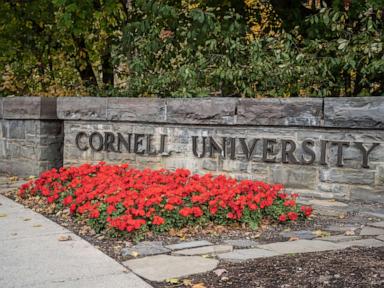
The legal fallout surrounding campus sexual assault reporting reached a boiling point when prosecutors defended their initial choice not to file criminal charges. When an institutional crisis hits the headlines, public trust fractures immediately. People want to know how a high-profile accusation involving a Cornell University fraternity resulted in an initial decision to walk away from criminal prosecution.
Understanding what happened requires looking past the social media noise and examining the friction between initial police statements, statutory definitions of consent, and how campus investigations operate under intense scrutiny.
The Gap Between Initial Statements and Criminal Standards
At the core of the controversy is a stark disagreement over what was documented when the student first came forward. Tompkins County District Attorney Matthew Van Houten defended the office's initial choice by pointing directly to the signed, sworn statement provided by the complainant. According to prosecutors, that initial document described voluntary participation in social activities and sexual conduct, creating a massive evidentiary barrier for any criminal trial.
In criminal court, the standard is proof beyond a reasonable doubt. Prosecutors argue that if an initial sworn affidavit outlines a sequence of events that fails to legally satisfy the state definition of forcible compulsion or incapacity at that exact moment, securing a conviction becomes nearly impossible. Critics, however, argue that initial police intakes often sanitize or mischaracterize harrowing experiences, leaving victims feeling betrayed by the very system designed to protect them.
Legal Realities of Intoxication and Consent in New York
One reason this case triggered such fierce debate is the complex reality of New York State penal law regarding alcohol, drugs, and consent. Many people assume that being heavily intoxicated automatically invalidates consent under the law. In practice, prosecutors face a grueling evidentiary burden. They must prove not only that a victim was incapacitated, but that the accused individuals realistically knew or should have known about that total incapacity and proceeded anyway.
When cases involve voluntary substance use, gray areas emerge constantly. Defense attorneys routinely point to moments where participants communicated or paused, weaponizing those ambiguities against the prosecution. This legal gap is precisely why lawmakers face mounting pressure to rewrite statutory definitions of consent, ensuring that laws reflect the reality of drug-facilitated assaults on college campuses.
The Turning Point and Independent Review
Public pressure didn't fade after the initial decision to close the file. Following widespread media outrage and mounting civil litigation, political leaders stepped in. New York Governor Kathy Hochul publicly called for an independent review, expressing a loss of confidence in the local handling of the inquiry. Consequently, New York Attorney General Letitia James stepped in as special prosecutor, armed with the power to present evidence directly to a grand jury.
This escalation highlights a growing trend in high-profile campus cases. When local prosecutors and university administrations face accusations of mishandling or burying serious allegations, state-level intervention becomes the default mechanism to restore public accountability.
The investigation continues to evolve through civil lawsuits and grand jury scrutiny. If you or someone you know has been affected by sexual assault, confidential support is available 24/7 through the National Sexual Assault Hotline at 1-800-656-4673 or via chat at online.rainn.org.