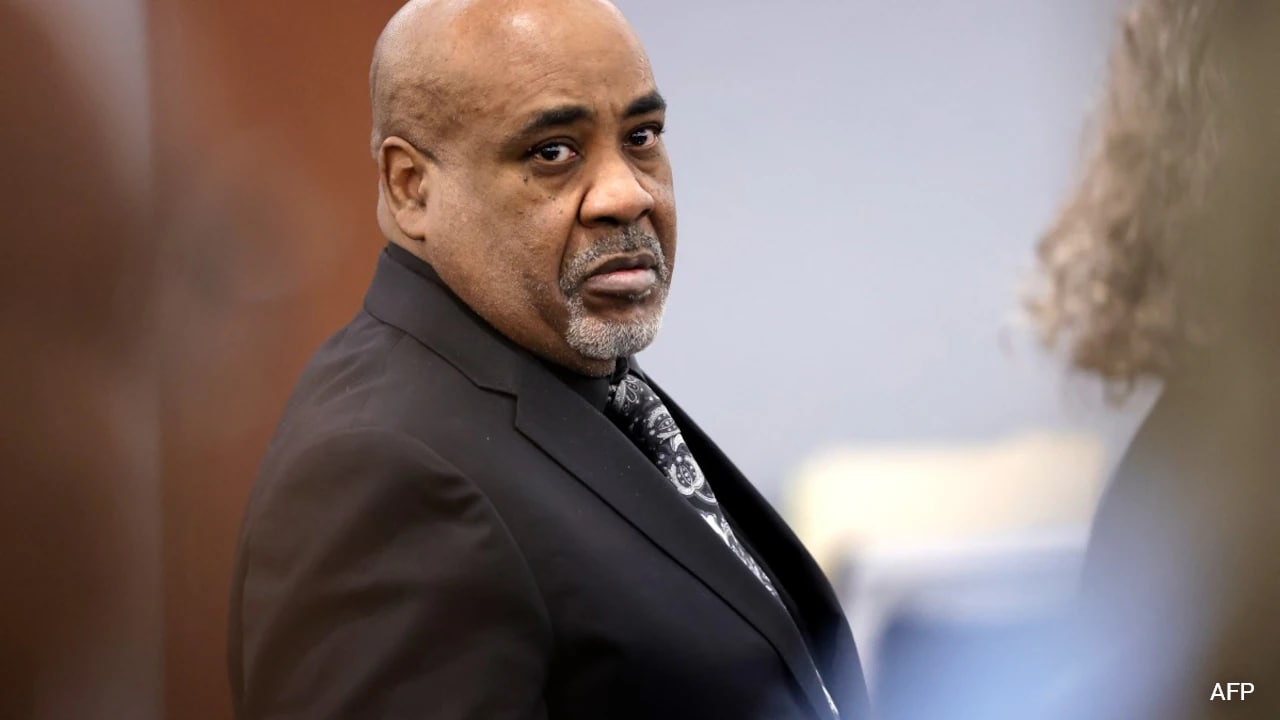
The conviction of Duane "Keefe D" Davis for the 1996 murder of Tupac Shakur feels like a massive victory for justice to anyone who only reads headlines. Thirty years later, the state finally secured a conviction. Case closed, right? Wrong.
We are cheering for a legal performance that solves nothing, distorts history, and rewards a broken prosecutorial system with a collective sigh of relief. The lazy consensus says the monster is behind bars and the family finally gets closure.
That is not justice. It is a theatrical production designed to close an embarrassing cold case file using the dying gasps of a man who spent his final years chasing clout on podcasts.
The Confession Trap
Let us look at the foundation of this entire case. Duane Davis did not get caught by brilliant police work, wiretaps, or forensic breakthroughs. He caught himself because he ran out of money and wanted to sell his story.
For years, Davis ran his mouth on YouTube channels, true crime documentaries, and police interviews under a proffer agreement, treating his role in one of the most famous murders in modern history like a media tour. Prosecutors took those self-aggrandizing campfire stories and treated them like sworn forensic evidence.
Here is what anyone who has spent time around street politics or the music industry understands: guys like Keefe D lie for a living. They exaggerate their importance, inflate their body counts, and rewrite history to make themselves look like kingpins.
When a court system takes a chronic fabulist's podcast material and builds a first-degree murder charge around it, we are no longer practicing law. We are curating true crime entertainment. If you base a conviction on the uncorroborated bragging of a desperate man trying to sell a book, you do not have a watertight case. You have a headline-driven conviction built on quicksand.
The Myth Of Closure
Every time a high-profile cold case gets a late-stage verdict, the media trots out the word closure. It is an insult to everyone involved.
Tupac Shakur was killed during a chaotic intersection of gang politics, record label warfare, and massive corporate negligence that went all the way up to Death Row Records and Interscope. Pinning the tail on a geriatric accomplice who handed a gun to someone in the backseat of a white Cadillac does not explain the institutional rot that allowed Los Angeles and Las Vegas to turn into a war zone for rap executives in the mid-nineties.
If you think locking up Keefe D explains why Tupac Shakur died at twenty-five, you fundamentally misunderstand the economics and the power dynamics of nineties hip-hop. The beef was manufactured, fueled by media conglomerates, and ignored by law enforcement agencies until dead bodies piled up high enough to warrant a press conference.
Getting a conviction thirty years later on a guy who was already serving life in spirit due to cancer and old age is not a triumph of accountability. It is a convenience. It lets the actual power structures off the hook by giving the public a sacrificial lamb with a recognizable name.
The Dangerous Precedent Of Podcast Jurisprudence
We need to talk about the chilling precedent this sets for accountability and the legal system.
When prosecutors realize they can bypass actual investigative work by waiting for aging figures to go on digital media platforms and incriminate themselves for clout, the incentive structure of criminal justice breaks down entirely. Instead of hunting for hard evidence, ballistics, or clean witnesses, law enforcement can simply monitor YouTube algorithms and wait for retirement-age men to talk themselves into a life sentence for attention.
This is not a victory for public safety. Keefe D was already neutralized. He was not a threat to walk the streets and terrorize anyone. Putting him away now serves zero protective function for society. It is pure retribution masquerading as legal closure.
We traded systemic truth for a theatrical trial. We accepted a narrative where a secondary player takes the fall for an entire ecosystem of violence, corruption, and systemic failure.
Stop celebrating a show trial. Tupac Shakur deserved a real investigation thirty years ago, and we deserve an honest accounting of history today instead of a courtroom circus starring a podcaster's lies.