If you think college sports are messy right now, wait until you see what happens when Capitol Hill tries to write the rules. Lawmakers are currently locked in a high-stakes chess match with the SEC and the Big Ten over the Protect College Sports Act, a bipartisan bill aiming to overhaul name, image, and likeness rules, cap school-based player compensation, and stabilize an industry spinning out of control.
Except the two biggest dogs in the yard refuse to play ball.
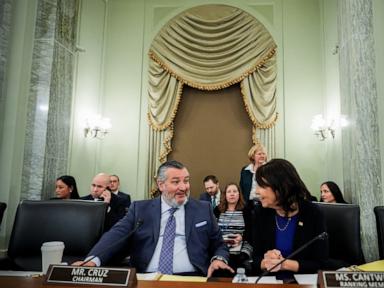
Senators like Ted Cruz and Maria Cantwell are pushing hard for federal intervention, arguing that without a uniform national standard, college athletics will collapse under the weight of endless antitrust lawsuits and runaway spending. Meanwhile, the SEC and the Big Ten—whose geographic footprint spans 26 states and commands massive political influence—are balking at specific provisions they claim will expose them to unwanted legal chaos and restrict how they handle broadcasting rights.
You're looking at a classic showdown between federal lawmakers who want to protect the broader ecosystem and athletic powerhouses that generate billions and expect to call the shots.
The Core Friction Points Driving the Stand-off
Why are the nation's premier athletic conferences actively resisting a bill allegedly designed to save college sports? It comes down to control, money, and legal liability.
The SEC and the Big Ten released a detailed 10-point memo outlining their exact grievances. They aren't opposed to regulation in theory. They hate the execution.
First, there is the issue of media rights pooling. The current draft of the bill includes provisions allowing Football Bowl Subdivision programs to pool and package their media rights, requiring at least 75 percent approval. SEC Commissioner Greg Sankey made it clear that this language could inadvertently force conferences into mandatory pooling and open them up to a wave of outside lawsuits.
Second, the powerhouse conferences want absolute protection against private equity-backed breakaway "super leagues", but they argue the bill's current language ties their hands too tightly regarding scheduling and postseason structures.
Then you have the massive financial tug-of-war over athlete compensation.
The Money Math and the New Retention Pool
To sweeten the deal for reluctant universities, recent amendments to the bill introduced a proposed $25 million "retention pool". This fund would allow schools to pay players already on their rosters to stick around, stacking on top of the standard revenue-sharing caps established by the landmark House antitrust settlement.
It sounds like a win for player retention, but athletic directors and conference accountants are skeptical.
- Third-Party NIL: The line between legitimate name, image, and likeness deals and corporate booster slush funds remains stubbornly blurry.
- The 22% Rule: Schools are trying to figure out how a $25 million retention pool interacts directly with the mandated 22 percent revenue-sharing model.
- Title IX Realities: Lawmakers added strict protections requiring large-revenue athletic departments to maintain or expand women's and Olympic sports slots, preventing schools from quietly slashing non-revenue programs to fund football and men's basketball.
Everyone wants cost certainty. Nobody agrees on how to calculate the price tag.
Can Congress Actually Pass This Without the SEC and Big Ten?
That's the million-dollar question echoing through the Senate hallways.
Supporters of the legislation point out a simple political reality: there are 100 senators, and many of them represent states without a single SEC or Big Ten program. Lawmakers like Chris Coons have noted that Congress doesn't need the blessing of two conference offices to pass federal law if the votes are there.
Getting 60 votes in a deeply divided Senate to overcome a filibuster is an entirely different beast, especially with a ticking legislative clock and a packed calendar ahead of congressional recesses and elections. Passing a bill that alienates the most influential stakeholders in collegiate athletics also guarantees an immediate wave of federal court challenges the moment ink hits paper.
If you follow college sports closely, don't expect a clean legislative fix anytime soon. The conferences know their leverage, the senators want a win for consumer stability, and the athletes are caught right in the middle of a bureaucratic war of attrition.
ALERT: SEC and Big Ten DEMAND Radical NIL Law Overhaul—Will Congress BOW to Pressure?
This video breaks down the intense negotiations between athletic powerhouses and federal lawmakers regarding national NIL standards and revenue-sharing oversight.
http://googleusercontent.com/youtube_content/1