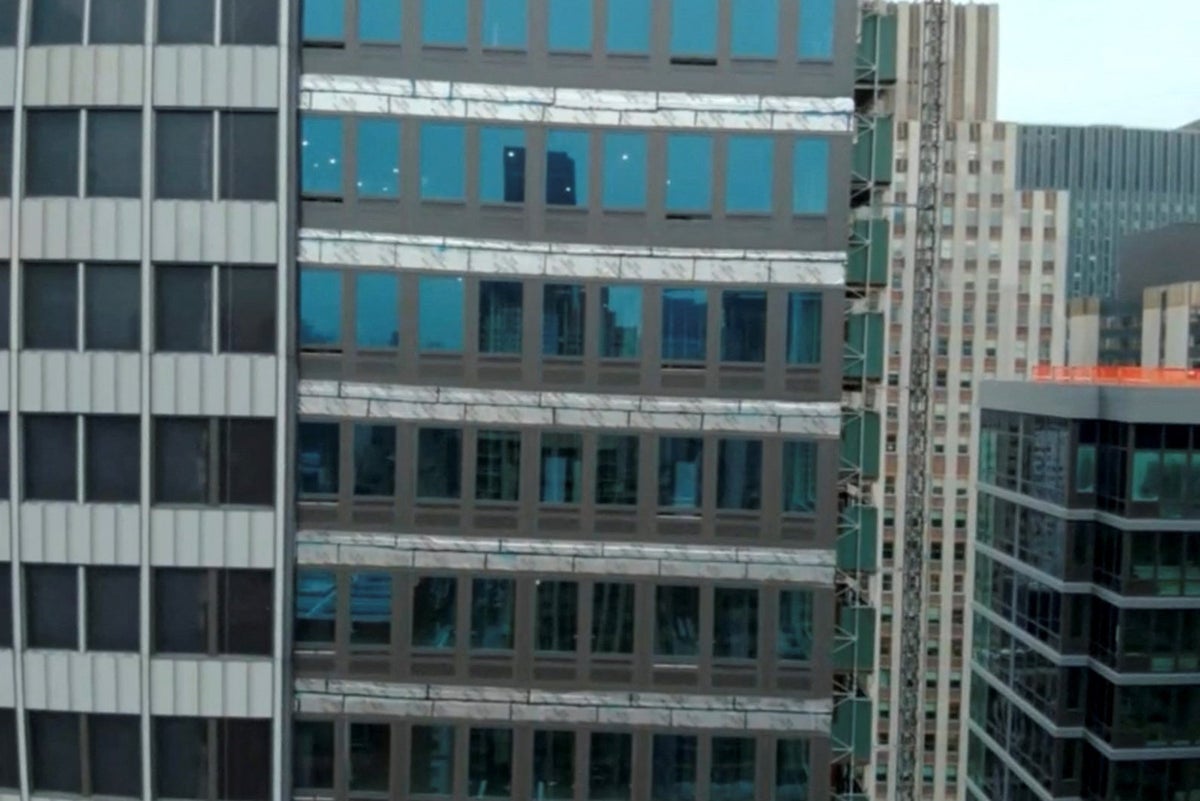
The coffee in the mug was trembling.
It was a Tuesday afternoon, the kind of unremarkable, grey Manhattan day where the city feels like a machine operating on autopilot. In a luxury high-rise towering forty stories above the grid of midtown, the vibration started small. A faint hum through the soles of the shoes. A subtle, rhythmic ripple across the surface of a dark roast. For the residents who paid premium rents for panoramic views of the skyline, it was easy to dismiss. Wind shear. The subway rumbling deep below the bedrock. The ambient, restless energy of New York.
Then came the sound from the lower levels. It wasn't a bang. It was a groan—the terrifying, guttural protest of thousands of tons of steel and concrete bearing a load they were no longer equipped to hold.
By nightfall, the flashing red and blue lights of emergency vehicles bathed the glass facade in an ominous glow. Police tape fluttered in the wind, blocking off the sidewalk. Inspectors carrying clipboards and high-powered flashlights crowded the lobby, their faces grim under the harsh fluorescent lights. Within hours, the rumors circulating in frantic group chats became an official reality: the local district attorney’s office had officially opened a criminal investigation into the building's construction and maintenance.
We tend to think of the buildings we inhabit as permanent fixtures of the earth. We treat them as solid, unyielding monuments to human ingenuity. But a skyscraper is actually a living, breathing ecosystem of tension and compression. When a structure threatens to fail, it is rarely a sudden act of God. It is almost always a slow, documented betrayal written in the fine print of ledger books, skipped inspections, and cut corners.
The Illusion of Impermeable Luxury
Consider what happens when you buy into the dream of modern vertical living. You are purchasing a slice of the sky. The marketing brochures promise floor-to-ceiling glass, pristine engineered hardwood, and the psychological comfort of high-end security.
But beneath the high-end finishes lies the bones of the structure. Concrete. Rebar. Structural steel.
In the case of this midtown tower, the structural anxiety began surfacing months before the city intervened. A hypothetical resident—let’s call her Sarah, an attorney who lived on the twenty-sixth floor—noticed the first signs not in the structural pillars, but in the subtle misalignment of her daily life. The bathroom door stopped latching properly. A hairline fracture, thin as a strand of spider silk, crept across the drywall in her hallway.
"Settling," the building management told her via an automated email response. Every new building settles. It is a standard industry euphemism used to pacify tenants while the hidden physics of a crisis unfold behind the drywall.
The reality was far more severe. According to preliminary engineering reports leaked to the press, the core structural columns in the lower third of the building were exhibiting signs of advanced stress. The concrete was spalling—flaking off under immense pressure, exposing the rusted iron skeletons inside. When concrete reaches this point, it is no longer holding a load; it is actively disintegrating under it.
The Architecture of Compromise
How does a multimillion-dollar monument to modernity arrive at the brink of catastrophic failure? To understand the criminal probe, one must look at the invisible chain of custody that governs modern construction.
Building a high-rise is an exercise in extreme logistics. It requires a symphony of developers, general contractors, subcontractors, materials suppliers, and municipal inspectors. In a perfect world, this system functions as a web of accountability. In the hyper-competitive arena of New York real estate, however, time is a merciless predator. Every day a project is delayed costs hundreds of thousands of dollars in interest and carrying costs.
Pressure trickles downward. The developer pressures the general contractor. The contractor pressures the concrete pourers.
Imagine a cold November morning three years ago. The transit mixers are lined up down the block, their drums spinning slowly to keep the concrete from setting. The inspector is late. The temperature is dropping toward freezing, a climate condition that requires specific, expensive chemical additives to ensure the concrete cures to its designated strength. A decision is made on the fly—a shortcut taken to keep the schedule on track. A little extra water is added to the mix to make it easier to pump to the upper floors.
It seems minor. Water makes concrete workable. But it also dilutes the chemistry. It creates microscopic voids inside the stone once it dries. It compromises the structural integrity of the entire column.
The law refers to this as reckless endangerment or corporate negligence. The engineers call it a structural deficit. The people living forty stories above the street just call it terrifying.
The Human Toll of Structural Panic
The true weight of a structural crisis is measured in the disruption of human lives. When the city issued an emergency order requiring immediate shoring up of the building's basement levels, the atmosphere inside the tower shifted from luxury to survival.
Mass evacuations are chaotic, but a voluntary exodus born of fear is agonizingly slow. Residents began packing suitcases, looking at the walls of their homes with a newfound sense of betrayal. The space that was supposed to represent safety—the ultimate sanctuary from the chaotic energy of the city below—had transformed into a potential trap.
The financial stakes are immense, but the psychological toll is worse. There is a specific horror in realizing that the floor beneath your feet relies entirely on the honesty of a corporation you have never seen and individuals whose names you will never know. You look at the ceiling and wonder if the calculation was done correctly. You listen to the elevator shaft, straining to hear if the mechanical hum sounds slightly more strained than it did the day before.
The criminal investigation is now focusing heavily on the inspection logs. Investigators are reviewing years of digital records, looking for discrepancies between the quality of the concrete specified in the architectural blueprints and the actual material delivered to the site. Sign-offs that occurred without physical site visits. Reports that were rubber-stamped by third-party inspectors who were paid by the very developers they were supposed to be monitoring.
This conflict of interest is the open secret of the modern construction boom. The system relies on self-policing, an ideological framework that works beautifully until it encounters the relentless pressure of a profit margin.
The Changing Weight of the Sky
Standing on the pavement outside the building today, the crisis looks invisible to the untrained eye. The glass still reflects the passing clouds. The doorman still stands at the entrance, though his expression is strained. But if you look closely at the loading dock around the back, you can see the massive heavy-duty steel columns—temporary jacks—being wheeled into the subterranean parking garage to take the weight off the failing concrete.
The city will likely force a stabilization plan. The building will be repaired, reinforced with steel collars, and retrofitted until the math works again. The immediate danger of a catastrophic footprint collapse will be averted by the brute force of modern engineering.
But the confidence cannot be retrofitted so easily.
The criminal probe will wind its way through the courts for years. Depositions will be taken, emails will be subpoenaed, and perhaps a mid-level executive or a corrupt inspector will face actual consequences. Yet the true revelation of the Manhattan high-rise scare isn't about a single building or a specific batch of bad concrete. It is the realization of how fragile the grid truly is.
We walk through cities of towering giants, assuming their strength is absolute. We forget that they are held up by nothing more than human promises, scrawled signatures on inspection sheets, and the hope that someone, somewhere along the line, cared enough to do the job right when no one was watching.
Up on the high floors, as the wind picks up from the Hudson River, the glass creaks softly. It is a sound the residents used to sleep through. Now, it keeps them awake all night.