The Smell of Wet Cement and Deferred Dreams
Arthur sits in a cramped coffee shop overlooking Victoria Harbour, staring at a bank statement that reads like a medical diagnosis. Outside, the steel skeletons of luxury high-rises claw at a heavy, leaden sky. For thirty years, Arthur has watched this city build its identity out of reinforced concrete and ambition. Every square foot here has traditionally been treated not merely as shelter, but as an infallible vessel for generational wealth. You buy property in Hong Kong; you plant your flag in eternity.
Or so the myth goes.
Today, Arthur feels the vertigo of a shifting tectonic plate. The coffee has gone cold. Across the financial district, investment banks and analysts are quietly adjusting their spreadsheets, whispering about a property market recovery that appears to be losing its oxygen. UBS, in a recent sharp-eyed assessment, flagged four distinct structural risks threatening to stall what many hoped was a triumphant rebound.
These are not abstract macroeconomic data points for Arthur. They are the difference between sending his daughter to university abroad and selling his family home at a crushing loss.
To understand why the world's most famously resilient real estate market is stuttering, we have to look past the neon-lit veneer and examine the four quiet cracks threatening to fracture the foundation.
The Weight of Unsold Square Footage
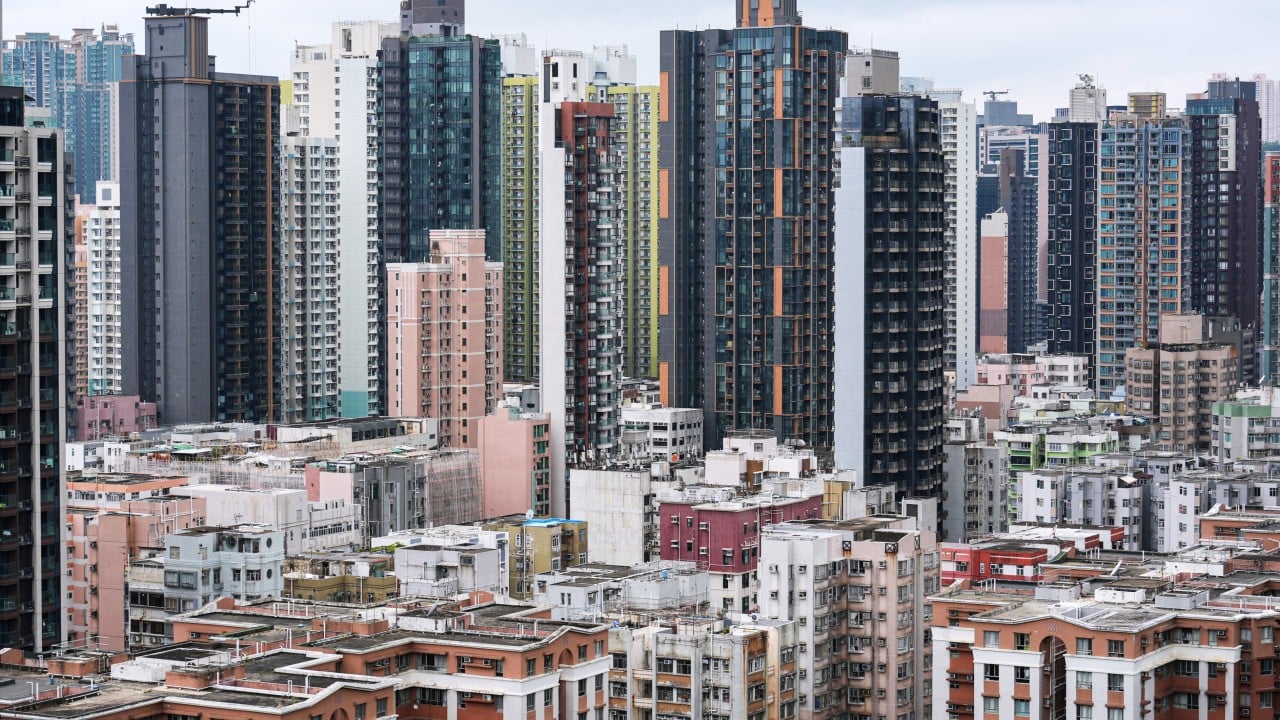
Walk through any newly minted residential development in the New Territories at dusk, and you will notice something unsettling. Whole towers stand in near-total darkness. Thousands of completed apartments sit vacant, draped in plastic wrap and silence.
This is the first great hazard: developer inventory overhang.
For years, the formula was simple. Build it, price it at a premium, and watch buyers queue around the block overnight. But the psychological landscape of the buyer has transformed. When developers amassed huge stockpiles of unsold units during the downturn, they created a massive shadow supply. Now, desperate to free up liquidity and service heavy debt loads, developers are forced to slash prices on new launches.
Imagine standing at the edge of a reservoir holding back a billion gallons of water, watching the dam wall develop hairline fractures. Every time a major developer undercuts the market with a fire-sale pricing strategy, existing homeowners watch the estimated value of their own properties evaporate.
Property values in Hong Kong do not slide gently. They plunge when sentiment flips. The inventory backlog acts as a permanent ceiling on any organic price recovery. Buyers know they hold the leverage, so they wait. And while they wait, the carrying costs mount, squeezing developers and tightening the financial noose across the sector.
The Cost of Money in a Concrete Jungle
Money used to be cheap. Arthur remembers the era of rock-bottom interest rates when borrowing millions felt as painless as signing a monthly subscription fee. Those days are gone, buried beneath a global regime of higher-for-longer borrowing costs tied to the United States dollar peg.
Hong Kong’s monetary policy is tethered to the Federal Reserve. When Washington sneezes, Hong Kong catches a financial cold.
As interest rates climbed, mortgage servicing ratios transformed overnight. An apartment that required a manageable monthly outlay suddenly demanded a punishing fraction of a household income. For small investors who leveraged multiple properties during the boom years, the math turned predatory.
Consider a hypothetical investor, let us call him Raymond, who bought two compact flats a few years ago counting on rental yields to cover his mortgage. Today, rental yields remain stubbornly low, hovering near historic troughs, while his mortgage payments have doubled. Raymond is caught in a fiscal scissor-blade: high borrowing costs on one side, stagnant rental returns on the other.
When holding an asset becomes more expensive than surrendering it, the market stops being a sanctuary. It becomes a drain. And the UBS warning highlights this exact vulnerability: liquidity is no longer sloshing freely through the system. It is trapped, gasping for air against a wall of expensive debt.
The Siphon of the North
There is another, more profound shift happening quietly across the border. It is a cultural and economic migration that threatens the very core of Hong Kong domestic demand.
For decades, the city operated as a self-contained ecosystem. Wealth generated locally stayed locally, reinvested into local bricks and mortar. But Shenzhen and the broader Greater Bay Area have evolved into sleek, modern metropolises offering a standard of living, sprawling spaces, and technological integration that make cramped Hong Kong apartments look increasingly archaic.
Middle-class families are doing the math. Why spend fifteen million dollars for a shoebox apartment in Kowloon when you can purchase a luxurious, modern home three times the size across the border for a fraction of the cost, while maintaining your career ties?
This structural outflow of capital and talent creates a slow bleed. Local demand is being siphoned away. The domestic property market is no longer competing only against itself; it is competing against a vibrant, expanding regional alternative that offers breathing room—literally and financially.
When the people who form the backbone of middle-income housing demand start looking outward instead of inward, the foundation shakes.
The Illusion of Government Intervention
Whenever the market wobbles, the public cries out for salvation from above. Surely the government will step in. Surely the cooling measures introduced during the frantic years of runaway inflation will be rolled back completely to jump-start transactions.
And indeed, officials have relaxed stamp duties. They have signaled a willingness to adapt. But government policy in Hong Kong walks a perpetual tightrope.
On one side, policymakers need to stabilize a flagging asset market to protect the banking sector and public confidence. On the other side, they face a historic mandate to provide affordable housing for a population crushed by generations of stratospheric living costs. If policies successfully inflate property prices back to their dizzying peaks, the social unrest born from housing inequality returns instantly. If policies fail to revive the market, the financial system reels from declining collateral values.
It is a policy paradox. You cannot simultaneously cure an addiction to high property prices while promising the addicts that their drug will never lose its street value.
The fourth risk, therefore, is policy paralysis. The state’s toolkit is no longer a magic wand; it is a blunt instrument that risks doing as much damage when it swings as when it rests.
The Reckoning at the Harbour's Edge
Arthur pays his bill and steps back out into the humid afternoon glare. The trams clank past, their bells ringing out a mechanical rhythm that has sounded through these streets for over a century.
The reports from UBS are not prophecies of immediate apocalypse. Hong Kong remains a global financial nexus, anchored by deep capital reserves, a resilient legal framework, and an indomitable entrepreneurial spirit. The city has reinvented itself through wars, plagues, and political upheavals. It will survive this shift as well.
Yet, the era of effortless, gravity-defying property appreciation is over. The four risks—towering unsold inventory, punishing interest rates, regional demographic siphoning, and the impossible policy tightrope—are not temporary bumps in the road. They are structural redesigns of reality.
The concrete mirage is clearing. What remains underneath is a mature, sober market where every square foot must justify its existence not through speculative fervor, but through genuine, hard-earned value.
Arthur walks toward the MTR station, his shoulders feeling slightly lighter for having named the dread. The future of the city is no longer written in stone. It is being forged in the friction between what was promised and what is real.