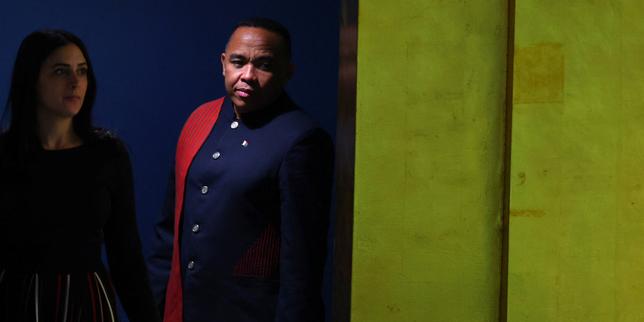
When the streets of Antananarivo erupted in late 2025, most political observers thought it was just another routine wave of protests. They were wrong. Chronic power cuts and water shortages sparked grassroots outrage, but it was Colonel Michaël Randrianirina who turned street-level frustration into a complete realignment of the Malagasy state. If you want to understand how a career military officer stepped out of the barracks to lead the nation, you have to look at the pressure cooker of modern Malagasy politics.
From Military Barracks to National Politics
Born in the southern village of Sevohipoty, Randrianirina isn't your typical polished politician. Trained at the military academy in Antsirabe, he climbed through the ranks of the Malagasy armed forces the hard way. He served as governor of the remote Androy region between 2016 and 2018, gaining grassroots administrative experience before returning to military commands. Recently making news in this space: Anatomy of a Foiled Attack Plot Why Mechanical Failure and Human Intervention Beat Luck.
By July 2022, he took command of the Corps d'armée des personnels et des services administratifs et techniques, widely known as the CAPSAT. This elite military unit holds outsized influence in Madagascar. Historically, CAPSAT is the unit that pulls the strings during major political transitions. When Randrianirina took its helm, he positioned himself right at the center of the country's military power structure.
The 2023 Arrest That Backfired
You can't talk about Randrianirina's rise without looking at how the previous administration tried to silence him. In 2023, authorities placed him under arrest and sent him to the high-security Tsiafahy prison on accusations of threatening state security. Further information regarding the matter are covered by TIME.
Instead of breaking his career, the detention turned him into a symbol of resistance within the ranks. He received a suspended sentence and walked free in February 2024. While he returned to CAPSAT, the experience alienated him from the inner circle of then-President Andry Rajoelina. The regime thought they neutralized a dissident. Instead, they forged an alternative leader.
The October 2025 Turning Point
Protests broke out across the island in September 2025, driven by anger over failing public utilities managed by the state company Jirama. When the government tried to quell the unrest with force and superficial cabinet reshuffles, it failed to appease the public.
On May 13 Square, Randrianirina made his decisive move. He publicly called for the resignation of the president and prime minister, aligning himself directly with the youth-led movement demanding structural change. When President Andry Rajoelina fled, the political vacuum sucked the military straight back into governance.
The High Constitutional Court formally invited Randrianirina to step in as the head of state on October 14, 2025. He was sworn in days later, promising a thorough re-foundation of the republic.
What the New Administration Faces Right Now
Taking power is one thing. Fixing Madagascar's deep-rooted economic crises is entirely different. Randrianirina's administration has pledged to clean up the energy sector, prioritize domestic rice production, and tackle systemic corruption. In an unusual anti-corruption move, his government floated strict vetting requirements for officials, including polygraph tests.
Foreign policy has also shifted under his watch. As his administration navigates international relationships—including notable diplomatic engagements with global powers like Russia—Western nations are watching closely to see how foreign partnerships evolve in the Indian Ocean. Meanwhile, domestic pressure remains high. The colonel has promised a transition back to civilian rule through elections within 18 to 24 months, backed by nationwide consultations involving religious and civic leaders.
Whether this military-led transition finally delivers stability or repeats past cycles depends entirely on how quickly the new leadership can deliver basic water, power, and economic dignity to everyday citizens.