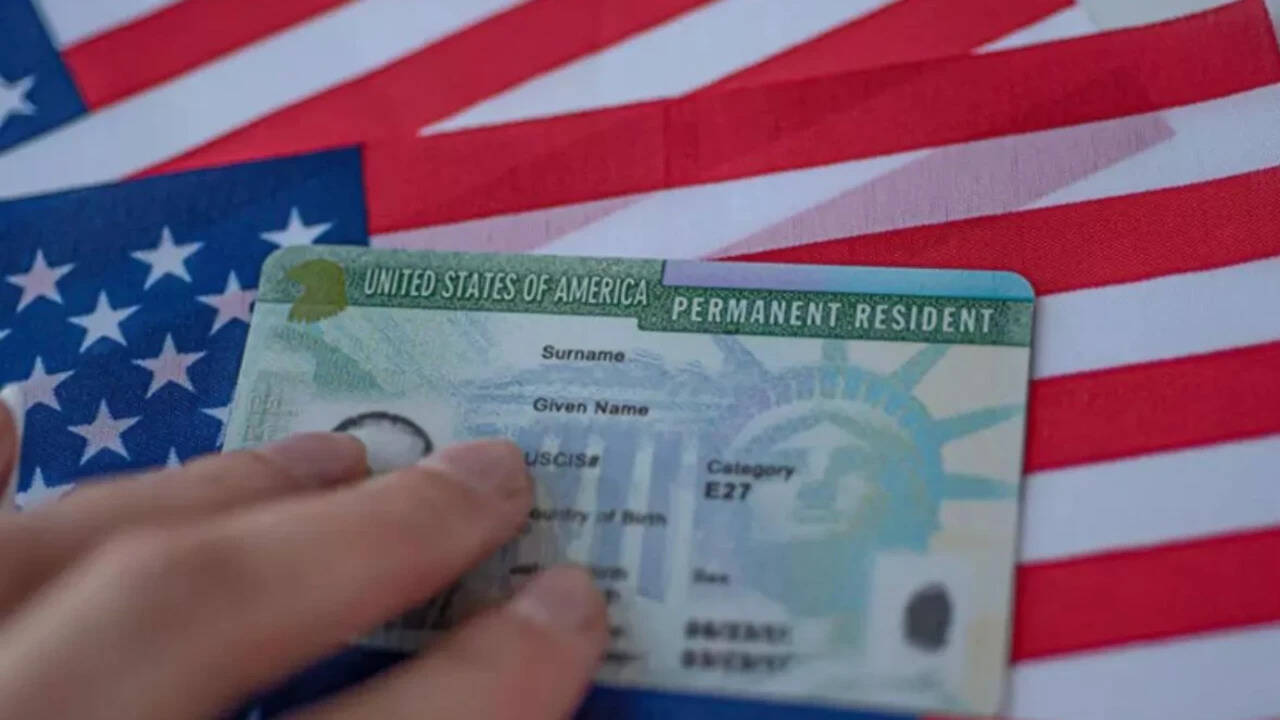
A broken email inbox and a separate job-posting workflow just cost Cloudera $2 million and locked the company out of the PERM green card program for two years. That’s a brutal price for a compliance mistake that many HR teams still treat as back-office paperwork.
In mid-October 2026, the U.S. Department of Justice and the Department of Labor announced a joint resolution with data management firm Cloudera following allegations that the company’s PERM recruitment process shut out U.S. workers across seven positions between late March 2024 and late January 2025. Under the settlement, Cloudera agreed to pay $600,000 in civil penalties, fund a $1.4 million back-pay pool for eligible U.S. applicants, and accept a two-year debarment from PERM, alongside three years of DOJ oversight and independent auditing requirements.
If you run talent acquisition, global mobility, or engineering teams in tech, this case isn’t a weird one-off. Honestly, it’s a wake-up call. Federal enforcement around PERM labor certification and citizenship-status discrimination has shifted from isolated lawsuits to coordinated, cross-agency pressure that hits companies right where it hurts most: retention and hiring speed.
What Went Wrong With Cloudera’s PERM Recruitment
PERM—the Program Electronic Review Management process—is the required first step for U.S. employers sponsoring foreign workers for permanent employment-based green cards. To qualify, employers must test the U.S. labor market in good faith to show there aren’t able, willing, qualified, and available U.S. workers for the role.
According to the DOJ and DOL allegations, Cloudera handled regular openings through its standard public careers website and normal application flow, yet used a separate process for certain PERM-related postings. Worse, the government alleged that an email account set up to collect applications from U.S. workers responding to PERM ads couldn’t receive emails from external addresses. Think about that for a second. A qualified U.S. engineer could spot an ad, follow the instructions, hit send, and their application would vanish into thin air without ever reaching recruiters.
The timeline shows how fast these investigations escalate once triggered:
- January 2025: The DOJ’s Civil Rights Division, through the Immigrant and Employee Rights Section (IER), notified Cloudera of an investigation.
- April 2026: The DOJ filed a discrimination complaint before the Office of the Chief Administrative Hearing Officer.
- May 2026: The DOL suspended processing of Cloudera’s PERM applications.
- October 2026: The parties finalized and announced the $2 million settlement and two-year PERM ban.
A Cloudera spokesperson told Bloomberg Law that the company took corrective action after learning the recruiting email address was restricted to internal employees, and denied discriminating in hiring. Settling also isn’t a post-trial finding of liability. Still, from a practical standpoint, intent matters a lot less to regulators than whether your actual recruitment funnel blocks U.S. candidates.
Why a PERM Ban Hits Harder Than a Fine
Fines are annoying. A two-year PERM ban messes with your business for years.
When a company loses PERM access, it can’t start new green card labor certifications for foreign employees during the debarment window. In tech, where many skilled engineers work on temporary visas and view green card sponsorship as a major career milestone, freezing that pipeline creates real retention friction. Employees start asking whether staying put delays their permanent residency, and competitors with active sponsorship programs suddenly look much more attractive.
There’s also a broader talent shift happening right now. As green card sponsorship becomes slower, costlier, and more exposed to enforcement, senior technical talent—including experienced engineers in major hubs like Bengaluru, Hyderabad, and Pune—has more reason to weigh strong roles at Global Capability Centers or domestic product firms against a long, uncertain U.S. immigration path. Treating a U.S. green card as an automatic retention hook is risky when timelines and compliance rules keep tightening.
Coordinated Enforcement Is the New Normal
What makes the Cloudera case stand out is how DOJ and DOL worked together. DOJ’s IER enforces anti-discrimination provisions under the Immigration and Nationality Act (8 U.S.C. § 1324b), while DOL oversees PERM rules and labor certification integrity. When both agencies move in sync, a recruitment flaw isn’t just an HR hiccup—it can trigger back pay, civil penalties, suspension, and debarment all at once.
DOJ noted that the Cloudera agreement was its 14th settlement since relaunching its Protecting U.S. Workers Initiative in 2025, underscoring how aggressively federal enforcement has targeted alleged citizenship-status bias in hiring. Around the same period in October 2026, DOL also made headlines by suspending PERM processing for eight major tech and IT services companies—including Microsoft, Adobe, Cognizant, Infosys, TCS, Wipro, HCLTech, and Capgemini—showing that scrutiny isn’t aimed at just one mid-sized vendor.
Common Traps Employers Miss in PERM Hiring
In my experience watching companies get tripped up by PERM audits and DOJ inquiries, the trouble rarely starts with a comic-book villain twirling a mustache. Usually, it’s sloppy handoffs between legal, HR, and recruiting.
One classic mistake is treating PERM recruitment as a checkbox exercise separate from real hiring. When a company posts a PERM ad in a way that looks or behaves differently from how it hires for comparable non-PERM roles—or routes resumes to an unmonitored inbox or a siloed tracker—regulators can argue U.S. workers didn’t get a fair shot.
Another trap is poor record-keeping around candidate screening. If a U.S. applicant submits a resume and there’s no clear, consistent, job-related record of how their qualifications were reviewed—or if applicants aren’t entered into the main applicant tracking system the same way other candidates are—defending the process later gets tough fast. Even well-meaning teams sometimes make that mistake when outside immigration counsel drafts the compliance packet while internal recruiters run day-to-day hiring on a completely different track.
Debatable Questions Around PERM Rules and Enforcement
Not everyone views these enforcement actions the same way, and it’s worth being candid about the grey areas. Critics of aggressive PERM restrictions argue that technical glitches or administrative missteps can get lumped together with intentional bias, penalizing companies and caught-in-the-middle employees alike. Employers also point out that PERM rules are notoriously rigid and complex, leaving little room for human or software error.
On the flip side, enforcement advocates and U.S. worker groups argue that labor certification rules exist specifically to protect domestic workers first, and that lax oversight lets employers treat U.S. job ads as mere formalities for positions already earmarked for sponsored candidates. When an inbox blocks external emails for months, they say, calling it an accident doesn’t fix the harm done to applicants who never got considered. Both sides highlight a tension that isn’t going away anytime soon: how to run a fair, transparent labor market test without turning routine hiring into an unnavigable minefield.
How to Audit Your PERM Process Before Regulators Do
If your company sponsors employees through PERM, don’t wait for an agency letter to test whether your pipeline actually works. Start with a few practical checks this week:
- Test every application channel end-to-end. Send test applications from an external, non-company email address to every inbox, portal, and form listed on your PERM job ads. Confirm messages arrive, don’t bounce, and land where recruiters actually look.
- Compare PERM and non-PERM workflows side by side. Check where ads are posted, how candidates apply, and whether PERM applicants enter your main applicant tracking system so recruiters can search and evaluate them consistently.
- Tighten screening notes and recruiter training. Make sure hiring teams document objective, job-related reasons for every candidate decision and receive clear training on avoiding citizenship-status discrimination.
- Fix broken links or workflows immediately with counsel. If you spot a dead link, restricted inbox, or mismatched step, pause affected filings and talk to immigration counsel right away rather than hoping nobody notices.


