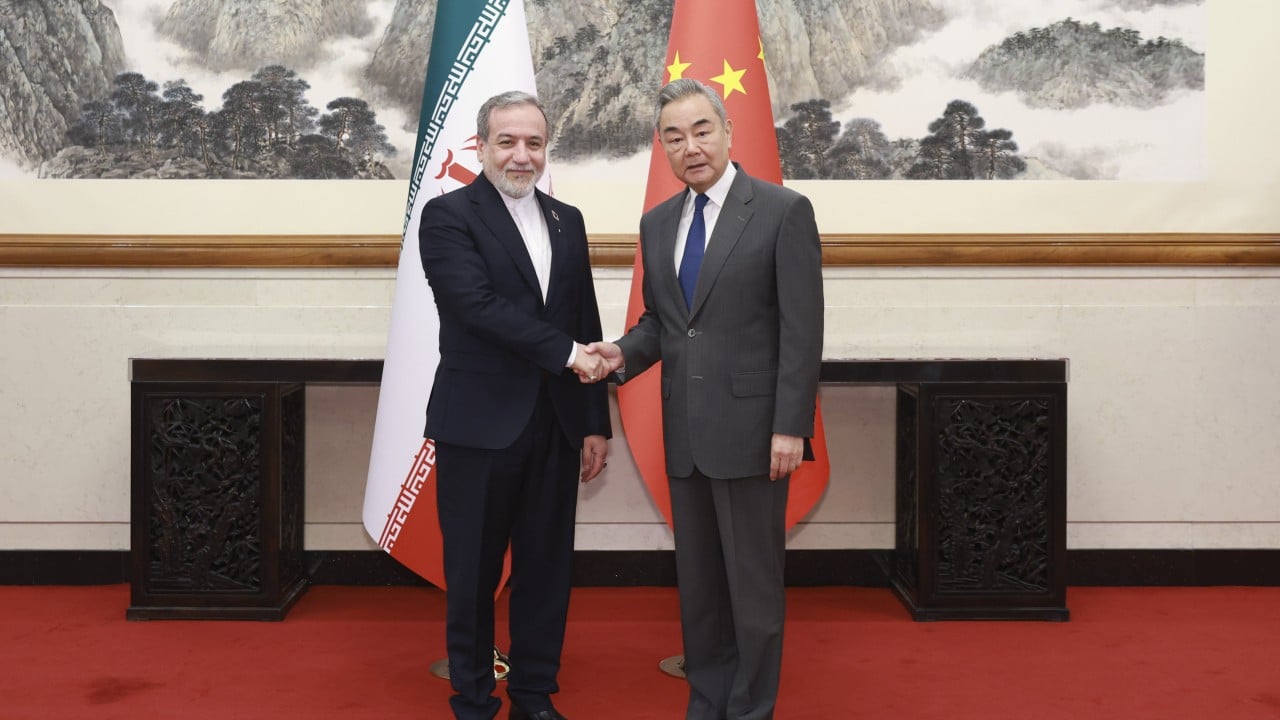
Diplomatic banality rarely breaks down in public view. For years, international security summits operated as polite exhibitions where delegates recited scripted talking points, shook hands for the cameras, and retreated behind closed doors to handle actual statecraft. That veneer shattered during high-level exchanges at the Xiangshan Forum, where representatives from Iran and Saudi Arabia traded sharp accusations regarding Middle Eastern instability. The public sparring was not merely a diplomatic breach of protocol. It was a clear signal that the underlying friction between Tehran and Riyadh remains raw, despite recent normalization efforts brokered by Beijing.
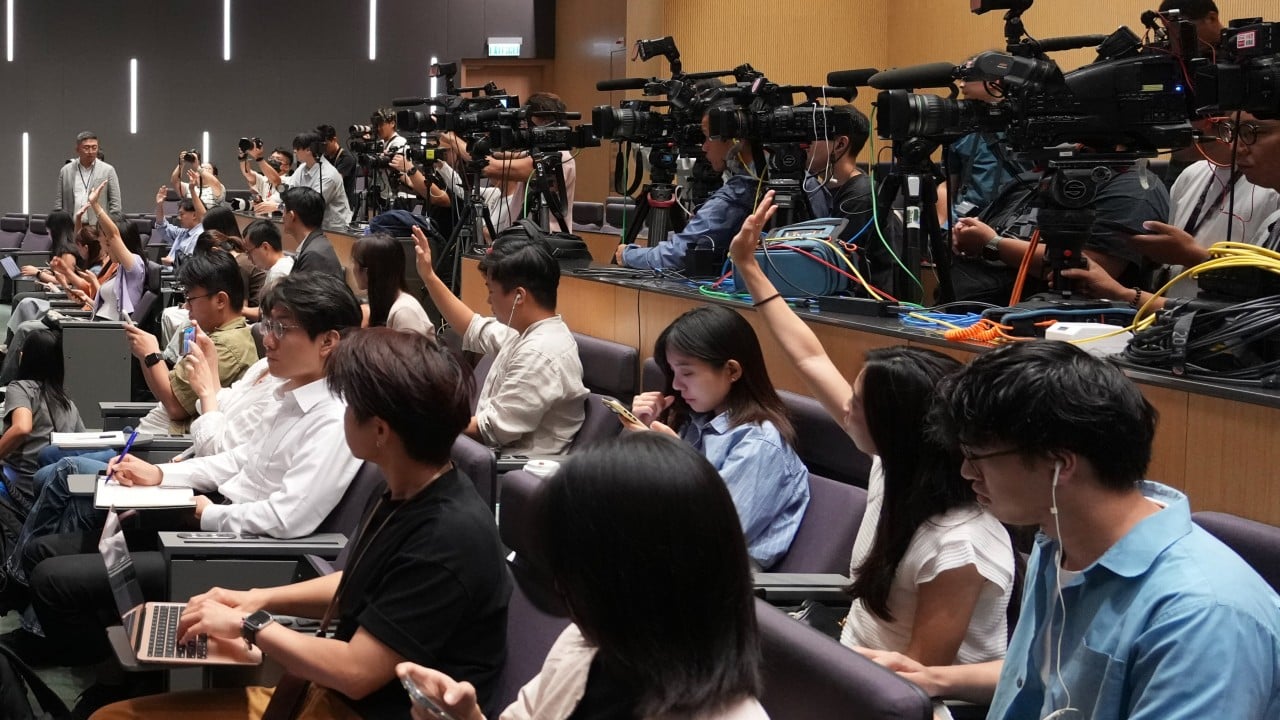
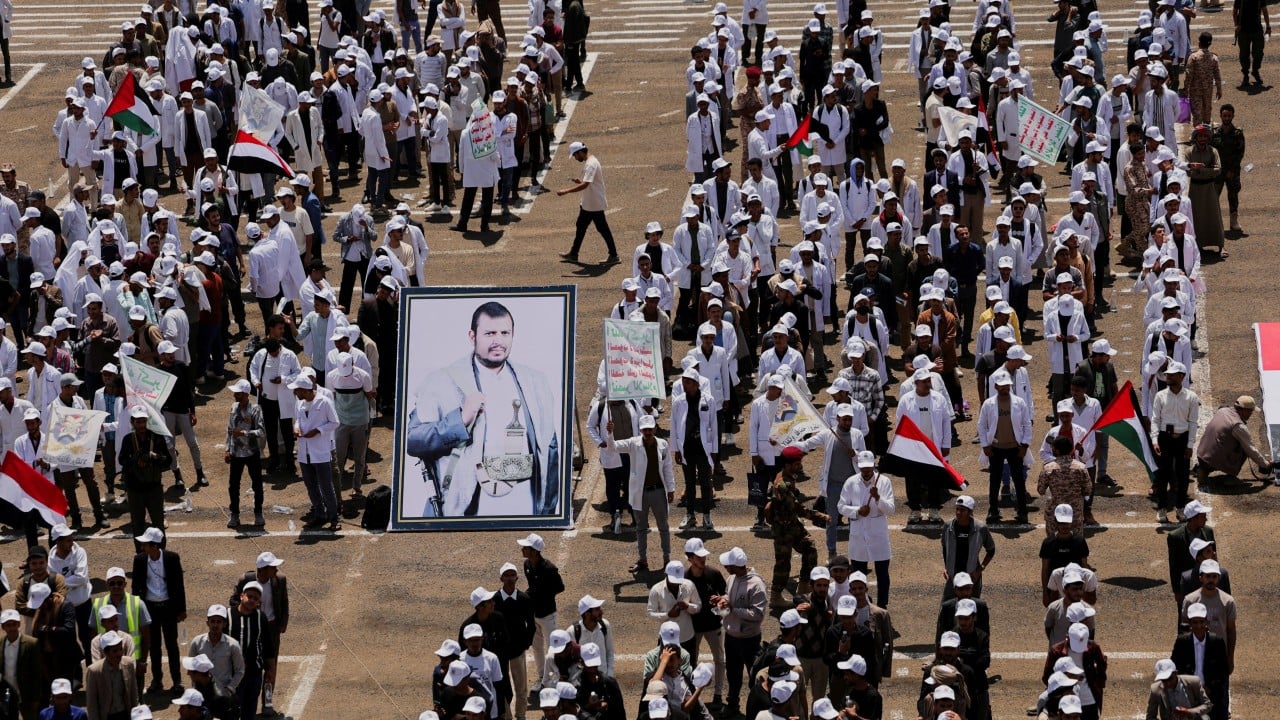
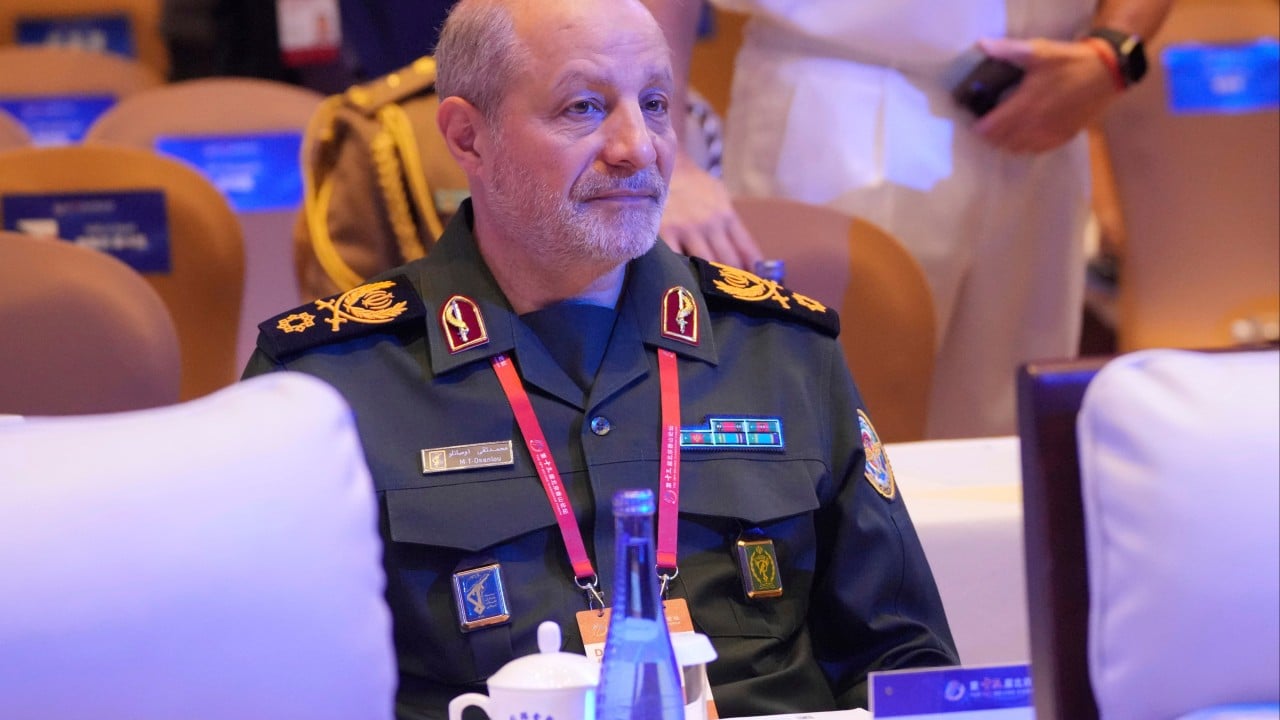
The Xiangshan Forum, often billed as Beijing's answer to the Shangri-La Dialogue, brings together military officials, defense analysts, and diplomats from across the globe. When regional adversaries share a stage in the host nation's capital, the subtext usually involves economic alignment or security guarantees. Instead, the panel sessions exposed a fundamental fracture line in Middle Eastern geopolitics. Saudi panellists pointed directly at Iranian-backed proxy networks as the primary engine of regional conflict, arguing that maritime security, trade routes, and sovereign borders cannot stabilize while non-state militias operate with impunity. Iranian delegates fired back, framing their regional posture as defensive deterrence against foreign interventions and accusing Gulf states of enabling external actors to destabilize neighboring governments.
Understanding the gravity of this clash requires looking past the diplomatic handshakes of early 2023. When China successfully mediated a rapprochement between Saudi Arabia and Iran, global markets breathed a sigh of relief. Analysts heralded the deal as a masterstroke of Chinese economic diplomacy, suggesting that Beijing's rising influence in the Middle East would anchor a new era of détente. Yet, veteran observers of regional politics knew better. A diplomatic agreement signed in a banquet hall does not erase decades of proxy warfare, ideological competition, and deep-seated mistrust. The confrontation at the Xiangshan Forum proved that normalization is an ongoing process of risk management, not a permanent cure for structural enmity.
The mechanics of this rivalry are rooted in competing security imperatives. Riyadh views its national security through the lens of economic diversification and territorial integrity, both of which are threatened by ballistic missile proliferation and drone attacks on critical infrastructure. Tehran views its security through an axis of forward defense, utilizing regional alliances in Lebanon, Yemen, Iraq, and Syria to project power and deter adversaries before they reach Iranian borders. These two doctrines are fundamentally incompatible. When representatives from both sides are placed in the same room under the watchful eye of a major global competitor like China, the pressure valve inevitably releases.
Beijing finds itself in a delicate position as the host and guarantor of this fragile peace. China's primary interest in the Middle East is uninterrupted energy supplies and the expansion of trade corridors under the Belt and Road Initiative. Conflict in the Gulf threatens Beijing's economic calculus, which explains why Chinese organizers actively encourage dialogue platforms like the Xiangshan Forum. However, hosting a forum that devolves into open hostility underscores the limits of external mediation. Beijing can provide the venue and economic incentives for rivals to talk, but it cannot legislate away the historical grievances that drive their security policies.
The fallout from these public disputes extends far beyond conference hall acoustics. International shipping lanes in the Red Sea and the Persian Gulf remain vulnerable to localized flare-ups, while peace processes in Yemen and Syria hover in a state of suspended animation. Every harsh word spoken on an international stage reverberates back to capitals in the Middle East, hardening domestic political lines and complicating the work of backchannel negotiators trying to keep the peace process alive.
As regional dynamics continue to shift under the weight of great power competition, the illusion of a harmonized Middle East is fading. The sparring in Beijing demonstrated that neither Riyadh nor Tehran is willing to cede ground in the battle for regional primacy. Diplomacy has moved from quiet parlors into high-stakes public forums, where every statement is calculated for domestic consumption and international positioning.
The security architecture of the Middle East will not be solved by photo-ops or symbolic agreements. It remains a volatile theater where the margin for miscalculation grows thinner with every passing summit.