Twenty percent of the world’s petroleum moves through a strip of water so narrow that, from the deck of a supertanker, you can almost feel the weight of the cliffs closing in. This is the Strait of Hormuz. It is a geographical throat, and right now, the world is holding its breath to see if that throat will finally be allowed to swallow.
Imagine a captain named Elias. He is a hypothetical composite of the thousands of sailors who navigate these waters, but his anxiety is grounded in cold reality. Elias stands on the bridge of a vessel carrying two million barrels of crude oil. To his port side lies the coast of Iran; to his starboard, the Musandam Peninsula of Oman. Between them, the navigable channel is only two miles wide in each direction. For Elias, this isn't a "geopolitical flashpoint." It is a graveyard of nerves. Every radar blip could be a patrol boat. Every radio crackle could be a command to come about.
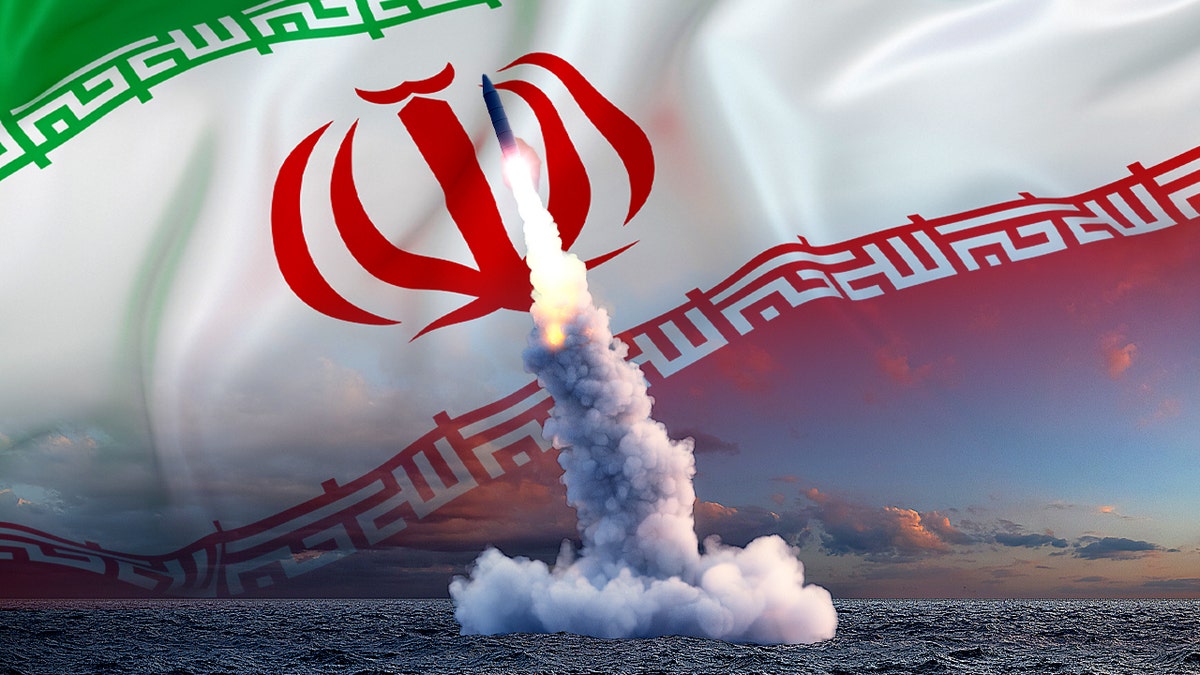
The news filtering down from the high offices of Tehran and Washington suggests a trade is on the table. Iran has offered a simple, if staggeringly heavy, bargain: they will stop the harassment and reopen the Strait to a state of total normalcy, but only if the United States lifts the crushing economic blockade and the fires of regional war are extinguished.
The Invisible Wall
To understand the weight of this offer, you have to understand the blockade. We often speak of sanctions as if they are merely lines of red tape in a ledger. They aren't. For a merchant in Isfahan or a doctor in Shiraz, the blockade is a physical wall built of empty shelves and devalued currency. It is a slow-motion siege that has lasted for years, intended to starve a government of resources but often ending up starving the dinner tables of the middle class instead.
The United States has utilized the dollar as a weapon of precision. By cutting Iran off from the global financial system, they have effectively turned the Iranian rial into paper. The "blockade" mentioned in recent diplomatic overtures refers to this total economic isolation. Iran’s response has historically been to point at the Strait. If we cannot sell our oil, they argue, why should the rest of the world be allowed to move theirs?
This is the leverage of the desperate. It is a game of "Mutual Assured Economic Destruction."
The Global Pulse
If the Strait closes—really closes—the shockwaves wouldn't just stay in the Middle East. They would arrive at your local gas station within forty-eight hours. They would show up in the price of a head of lettuce transported by a diesel truck. They would manifest in the heating bills of homes in northern Europe and the manufacturing costs of factories in Shenzhen.
When Iranian officials suggest a reopening, they are dangling the prospect of global stability. They are offering to lower the collective blood pressure of the international markets. But the "if" is a mountain. The cessation of war in the region is not a small ask. It involves a tangled web of proxy conflicts, ancient grievances, and the immediate, bloody realities of current border skirmishes.
Consider the math of a barrel of oil. In a world of open sea lanes, that barrel is a commodity. In a world of blockaded straits, it becomes a relic. The price per barrel doesn't just climb; it leaps. Analysts have long feared a scenario where oil hits $150 or even $200 a barrel. That isn't just a number. It is the sound of an engine stalling. It is the sound of a global recession clicking into place.
The Human Cost of High Stakes
Back on the bridge with Elias, the stakes aren't measured in dollars per barrel. They are measured in the silence of the crew. They know that the Strait of Hormuz is the ultimate "chokepoint." If a conflict breaks out, these massive tankers are the largest, slowest targets on earth.
The Iranian offer is a recognition that the current status quo is unsustainable for everyone. Tehran is bleeding from the blockade. The West is weary of the volatility. The offer to reopen the Strait is a white flag wrapped around a demand. It is a reminder that while the U.S. controls the banks, Iran controls the valve.
But can a blockade be lifted overnight? The architecture of sanctions is a labyrinth. It took years to build, involving executive orders, congressional mandates, and international agreements. You don't just flip a switch and let the money flow again. Trust, once incinerated, leaves a very fine ash that gets into the gears of every diplomatic machine.
A Narrow Window
The proposal hinges on a "war-ends" clause. This is the most nebulous part of the entire deal. Which war? The one in the shadows? The one on the borders? The one in the hearts of the people who have lost family members to drone strikes and IEDs?
By tying the freedom of navigation to the end of hostilities, Iran is essentially holding the world’s energy supply hostage to a peace treaty that no one seems quite ready to sign. It is a brilliant, brutal piece of diplomacy. It forces every nation that relies on that oil—which is to say, most of them—to become an unwilling stakeholder in a peace process they might otherwise have ignored.
The Strait is more than a waterway. It is a mirror. When we look at the turquoise waters between the Persian Gulf and the Gulf of Oman, we see the reflection of our own fragility. We see how much of our modern, electrified, high-speed lives depends on a two-mile-wide strip of ocean and the whims of men in high-backed chairs thousands of miles away.
The Weight of the Water
There is a specific kind of quiet that happens at sea when the engines stop. It is a heavy, ringing silence. If the negotiations fail, if the blockade stays and the war continues, that silence might become the permanent soundtrack of the Strait.
But if the deal holds—if the blockade is lifted and the ships move without fear—the Strait becomes something else. It becomes a bridge. Not just for oil, but for a different kind of future where the "throat" of the world is finally allowed to breathe.
The ships are waiting. The captains are watching the horizon. The diplomats are counting their chips. And somewhere in the middle of it all, the water continues to flow, indifferent to the flags flying above it, waiting to see if it will carry the weight of commerce or the debris of a new disaster.
The sun sets over the Musandam Peninsula, casting a long, jagged shadow across the shipping lanes. For tonight, the tankers continue their slow, rhythmic crawl. They move with the cautious grace of giants walking through a minefield, waiting for the word that the path is finally, truly clear.