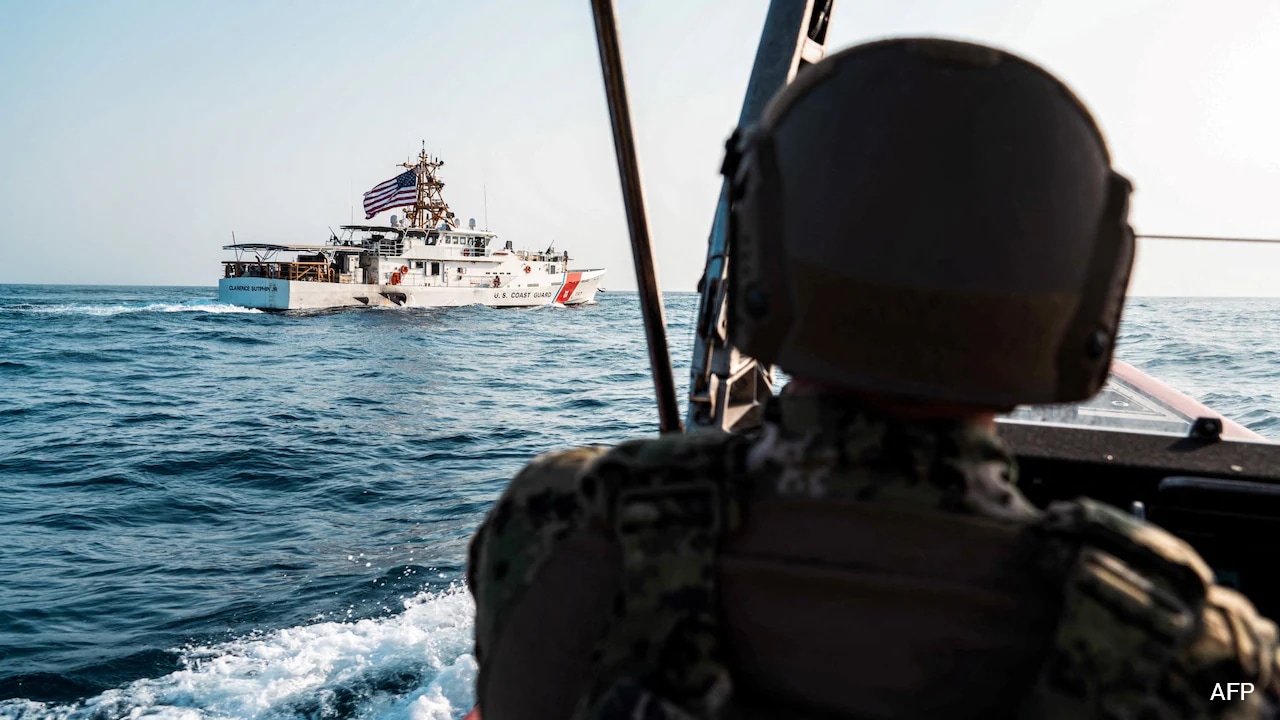
The steel hull of a commercial container ship vibrates with a low, rhythmic hum that feels less like mechanical power and more like a collective heartbeat. For a sailor standing on the deck in the suffocating humidity of the Persian Gulf, that hum is the only predictable thing left in the world. To the left lies the jagged, sun-bleached coastline of Iran; to the right, the quiet expanse of Oman. This is the Strait of Hormuz. It is a narrow, fragile throat of water through which one-fifth of the entire planet's energy flows.
When that throat closes, the world gasps. In similar updates, read about: The Burning Tracks and the Ghost Crews of Canada's Wildfire Corridors.
The fragile illusion of peace in these waters evaporated entirely this week. An interim ceasefire agreement, meticulously pieced together just last month in Islamabad, has dissolved into ash. The United States has officially reimposed a sweeping naval blockade on all Iranian ports, locking down the coastline and launching a blistering, multi-day air assault. The reason? A rapid escalation of shadow warfare that finally spilled out into the open, proving that the sixty-day window meant for nuclear diplomacy was entirely too optimistic for a region balanced on a knife-edge.
Consider the suddenness of the shift. Just days ago, commercial vessels were cautiously navigating a specialized route near Oman, insulated by the watchful eyes of the U.S. Navy. It was an imperfect fix, but it kept the oil moving. Then, the attacks began again. Seven commercial ships were targeted in the span of seven days. Sailors—ordinary people working ordinary jobs thousands of miles from home—paid the price. Nearly a dozen crew members were killed, injured, or simply vanished into the sea. Associated Press has provided coverage on this critical issue in great detail.
The American response was swift, heavy, and loud.
A devastating seven-hour wave of airstrikes tore through Iranian coastal installations under the cover of darkness. The targets were precise: cruise missile storage facilities, drone launch sites, and coastal defense systems on Greater Tunb Island, a strategic rock sticking out of the water like a sentinel. But war is rarely contained by precision coordinates. In the southeastern province of Sistan and Baluchestan, thirteen American missiles struck a barracks belonging to the 388th Mechanized Infantry Brigade.
When the smoke cleared, seven men lay dead. They were a mix of career soldiers and young conscripts—boys fulfilling a government requirement, caught in the crossfire of giants. Across the nation, the Iranian Health Ministry reported that more than 260 people were wounded in a single night of violence. It is the highest injury toll since the current conflict erupted back in late February.
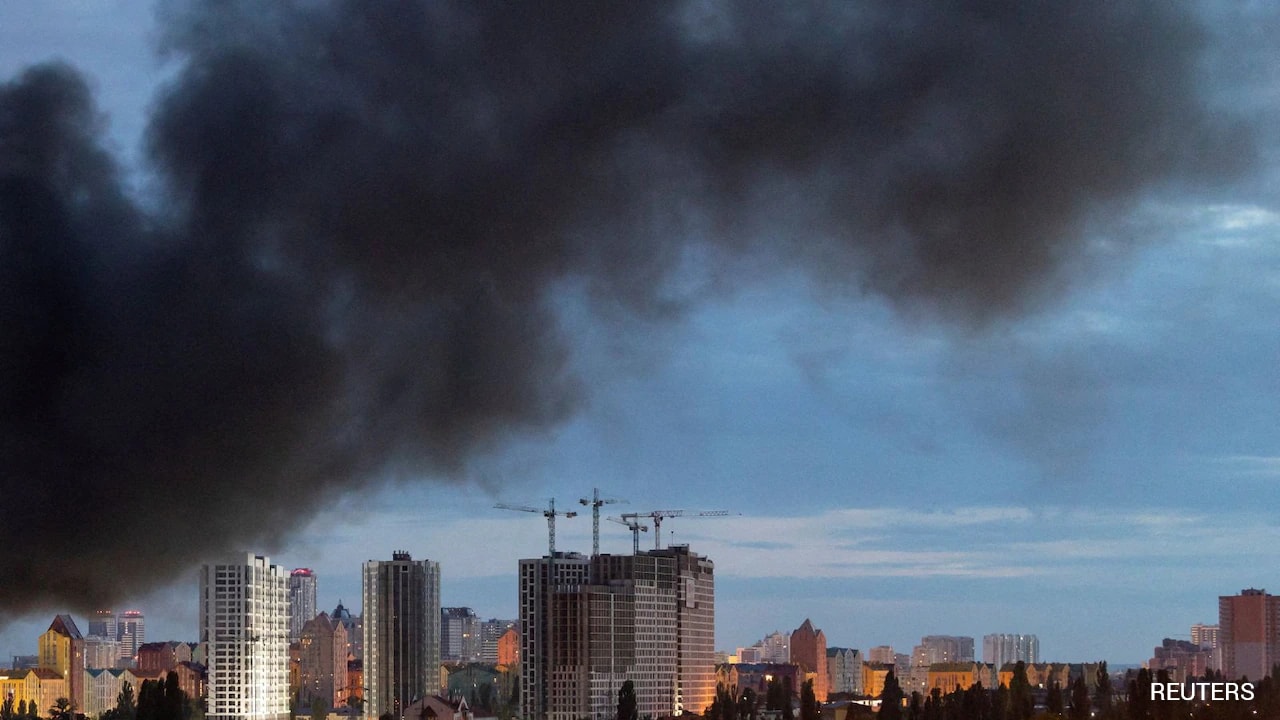
But the violence did not stay confined to the coast. In the early hours of Wednesday morning, sirens wailed across the capital cities of Bahrain, Kuwait, and Jordan. Iranian forces unleashed a barrage of drones and ballistic missiles aimed at regional hubs hosting American troops. In Jordan, air defense systems successfully intercepted three incoming missiles, leaving trails of white smoke cutting through the sky.
For the millions of expatriates and citizens living in the Gulf, the war is no longer a distant news headline. It is a daily calculation of survival. People wake up every morning wondering if the sky will remain quiet, or if the waiting itself will become too exhausting to bear. Planning for next month, or even next week, has become a luxury.
Back in Washington, the rhetoric has reached a fever pitch. In a televised interview, President Donald Trump made the stakes terrifyingly clear to the leadership in Tehran. The current strikes on missile sites are merely the opening salvo. If Iran refuses to return to the negotiating table, the targets will shift from military assets to the very infrastructure that keeps the country running.
Bridges will drop into rivers. Power plants will go dark. The warning issued was stark: make a deal, or risk having nothing left at all.
For a moment, the U.S. administration considered an unprecedented economic maneuver—a twenty percent transit fee imposed on all vessels trying to pass through the Strait. It was a proposal that sent shockwaves through the global shipping industry, threatening to fundamentally alter decades of international maritime law which dictates the waterway must remain free and open. However, after frantic, late-night phone calls from regional emirs and kings, the plan was dropped in favor of direct investment deals into the American economy.
The economic fallout, however, is already locked in. The International Monetary Fund had previously noted that a global surplus of oil was helping to keep gas prices stable at the pump. But that safety cushion is gone. Inventories have been drawn down, spare capacity is exhausted, and as the blockade tightens, the price of oil, fertilizer, and everyday consumer goods is creeping upward.
Iran’s Revolutionary Guard has already issued its own ultimatum to the world. If Iranian oil cannot leave the Gulf because of the American blockade, then no one’s oil will. The export of energy from the Middle East will either be for everyone, or it will be for no one.
Meanwhile, life possesses a strange, resilient duality. In the heart of Tehran, far from the burning missile sites of the southern coast, crowds of ordinary citizens packed into cafes this week, their faces illuminated by TVs showing the World Cup. They cheered, laughed, and drank tea, finding refuge in a game while warships gathered just over the horizon.
It is a reminder that beyond the maps, the blockades, and the grand strategies of superpowers, the true cost of conflict is always borne by the people trapped in the middle. The coming days will decide whether the throat of the world opens back up, or closes tightly enough to choke us all.