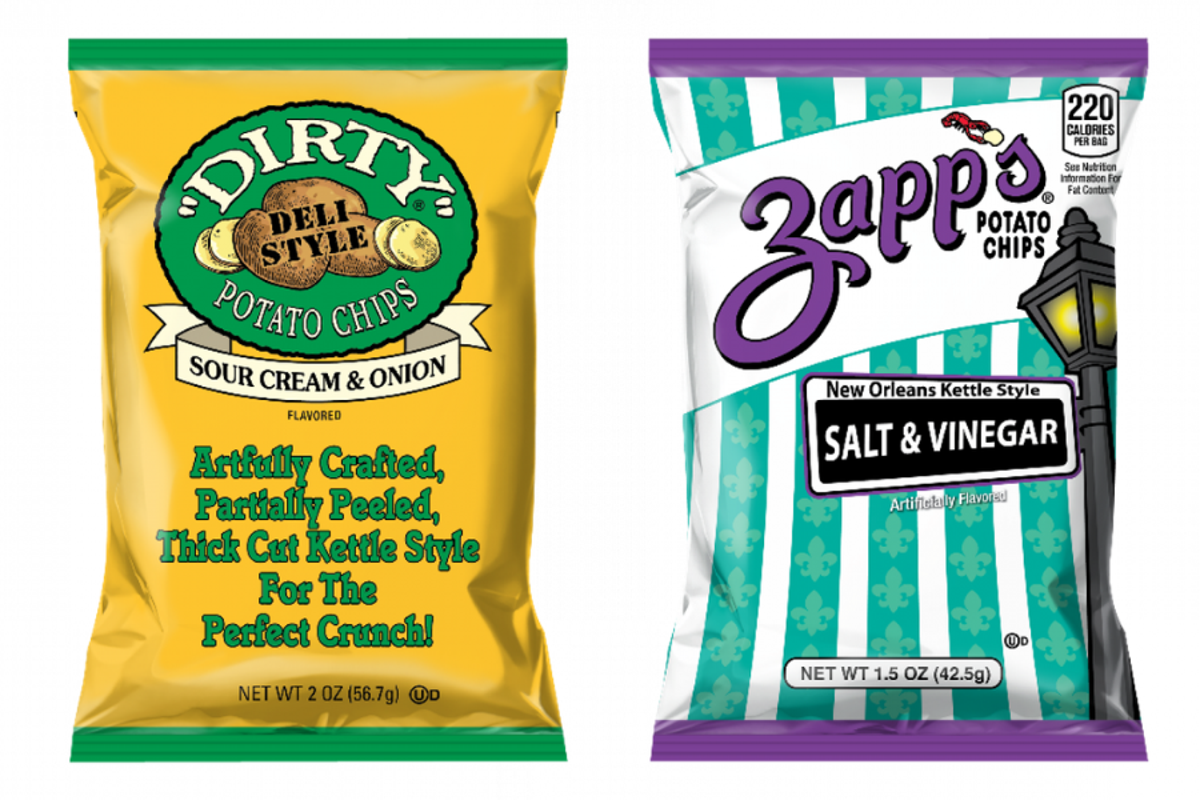
Six hundred thousand bags of chips yanked from store shelves because of a Salmonella scare.
Cue the standard media playbook. The breathless headlines. The panicked social media warnings. The corporate apology press releases drafted by terrified PR firms trying to assure you that "consumer safety is our top priority."
It is a predictable, lazy ritual. And it entirely misses the point.
Whenever a massive recall hits the snack aisle, the public reacts as if the factory was pumping poison directly into the bags. We treat recalls as evidence of a broken, negligent food system. We demand stricter penalties, heavier oversight, and absolute perfection.
As someone who has spent years analyzing supply chain mechanics and corporate risk management, I am here to tell you that the panic is completely backward.
A 600,000-bag recall is not a sign that the food safety system failed. It is proof that the system is working exactly as it should.
The Illusion of Zero Risk in Dry Foods
The average consumer hears "Salmonella" and immediately thinks of undercooked chicken or raw eggs. When it shows up in a dry, salted, shelf-stable snack like potato or tortilla chips, people feel betrayed. How does a dry chip get contaminated?
Let's dismantle the physics of food processing.
Salmonella is an incredibly resilient organism. It does not need a wet environment to survive; it merely needs a wet environment to multiply. In a dry matrix—like flour, spice blends, or seasoning powders—bacteria can go into a dormant state. They sit there, waiting, completely invisible to the naked eye.
The vast majority of snack food recalls do not stem from the primary ingredient. They stem from the seasonings.
[Raw Ingredient] ➔ [High-Heat Cooking] ➔ [Sterilized Base]
                                               │
[Contaminated Spice] ➔ [Post-Cook Dusting] ➔ ──┴─➔ [Contaminated End Product]
When a chip is fried or baked, the thermal process effectively kills off pathogens. The product is sterile. But the moment you dust that chip with cheese powder, barbecue seasoning, or sour cream flavor, you are introducing a secondary, raw component. If a single supplier of buttermilk powder has an issue, every single brand utilizing that powder is suddenly compromised.
Why the 600,000 Number is Pure Theater
Mainstream news outlets love big numbers because they trigger primal fear. "600,000 bags" sounds like an apocalyptic health crisis.
In reality, that number represents a triumph of traceability, not a catastrophe of contamination.
Modern food manufacturing operates on automated lot tracing. If a routine environmental swab at a seasoning facility flags a positive result for Salmonella, the manufacturer does not guess which bags are bad. They look at the logs. They identify the specific production run, the specific time window, and every single distribution center that received a shipment containing that batch.
Because food brands cannot risk a single missed bag, they draw a massive, conservative boundary around the suspected product.
Imagine a scenario where a single 50-pound bag of seasoning mix is suspected of having a minor compliance deviation. That single bag might be distributed across three different production shifts, blending into thousands of cases of chips. Out of an abundance of caution, the manufacturer recalls the entire three days of production.
- Actual contaminated product: Potentially zero, or a fraction of a percent.
- Recalled product: 600,000 bags.
The massive scale of the recall is an exercise in corporate over-correction. It is a legal and regulatory shield, not a reflection of widespread illness. To date, most of these high-profile snack recalls report exactly zero confirmed illnesses. The system caught the anomaly before a single human stomach turned.
The True Cost of Your Obsession with Freshness
Here is the uncomfortable truth nobody in the organic or clean-eating movement wants to acknowledge: the more natural, less processed, and "cleaner" your food is, the higher the risk of pathogen contamination.
For decades, the food industry relied heavily on chemical preservatives, high-sodium barriers, and intense irradiation to create bulletproof shelf stability. But consumer demand shifted. Shoppers demanded recognizable ingredients, fewer artificial additives, and minimal processing.
When you strip away the synthetic preservatives and use real, minimally processed dairy powders, dried herbs, and natural spices, you are removing the chemical landmines that used to kill off bacteria. You wanted real food. This is what real food does. It interacts with biology.
Dismantling the "People Also Ask" Flawed Premises
When these recalls hit, Google fills up with variations of the same frantic questions. Let's answer them with blunt reality instead of corporate doublespeak.
"Why can't factories just test every single bag before it leaves?"
This question betrays a fundamental ignorance of statistical sampling. Pathogen contamination is not homogenous. It does not spread evenly through a batch like sugar in coffee. It exists in tiny, localized pockets—what microbiologists call "hot spots."
To guarantee with 100% certainty that a batch of 600,000 bags is entirely free of Salmonella, you would have to open and destructively test every single bag. By the time you verified the shipment was safe, you would have no product left to sell.
Instead, factories rely on environmental monitoring—swabbing floors, drains, and equipment surfaces. If the factory environment is clean, the food is statistically safe. Testing the final package is a lagging indicator; by the time the lab results come back, the chips are already on a delivery truck.
"Should I sue the company if I have a recalled bag in my pantry?"
Unless you have a confirmed, medically documented diagnosis of salmonellosis directly linked to that specific lot number, you have no damages. A recalled bag is an inconvenience, not a lottery ticket. Toss it, get your $4.50 refund, and move on with your life.
The Dark Side of Corporate Hyper-Vigilance
While I defend the mechanics of the recall system, we must look honestly at the collateral damage of this hyper-vigilant environment.
The barrier to entry for food manufacturing has become staggering. Small, independent snack brands cannot survive a 600,000-unit recall. A legacy conglomerate can swallow a multi-million-dollar inventory write-off, pay the slotting fees to replace the stock, and weather the PR storm. A bootstrapped, innovative chip brand will be driven into bankruptcy overnight by a single false positive from a third-party ingredient supplier.
By demanding a zero-tolerance, zero-risk environment for products that inherently carry low biological risk, we are effectively consolidating the food supply chain into the hands of a few corporate titans who can afford the insurance policies.
We are trading culinary diversity for the illusion of absolute safety.
Stop Panicking and Look at the Math
Let’s put the danger into perspective. Salmonella causes roughly 1.35 million infections a year in the United States, according to the CDC. The vast majority of those stem from poultry, eggs, unpasteurized milk, and raw produce.
The number of deaths attributed to contaminated, dry, commercially produced snack chips? Virtually non-existent. The stomach acid of a healthy adult is an incredibly hostile environment for low-level bacterial loads wrapped in dry carbs.
If you have the specific lot number listed in the recall notice, do not eat the chips. Not because you are guaranteed to end up in the ICU, but because it is basic common sense to avoid flagged inventory.
But stop treating the notification like a systemic failure. Stop tweeting your outrage at the brand. The fact that you received an alert on your phone telling you to discard a specific bag of snacks purchased at a local big-box store means the infrastructure of global public health is executing its job flawlessly.
Check the lot code. Throw the bag away if the numbers match. Buy another one next week. Your supply chain is fine.