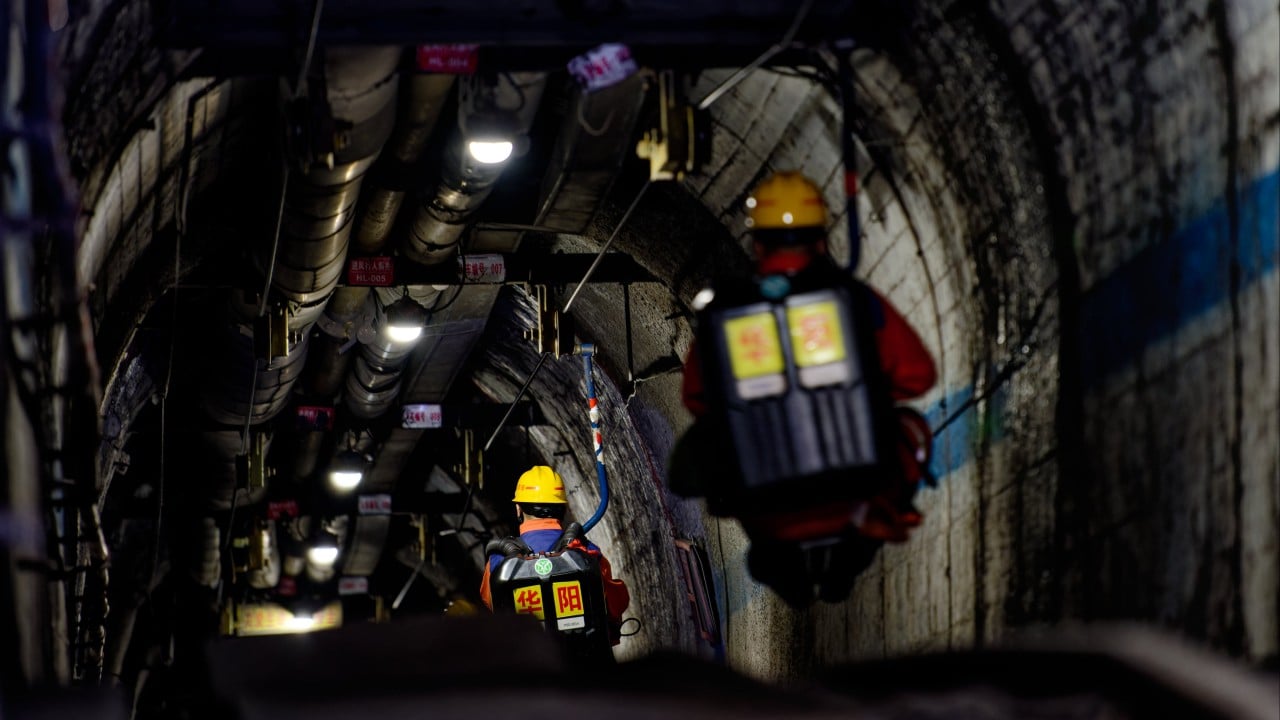
The smoke rising from the Liushenyu coal mine in Shanxi province carries a grim reality. Eighty-two workers are dead. Two remain missing deep beneath the earth. Over a hundred survivors are sitting in hospital beds. This gas explosion stands as the nation's worst mining disaster in more than a decade.
Predictably, the official machinery swung into motion. Severe warnings were issued, corporate managers were swiftly detained, and sweeping national safety audits were ordered. President Xi Jinping demanded a tough, uncompromising investigation. The State Administration of Mine Safety scrambled teams to check every high-gas operation in the country. Learn more on a related issue: this related article.
But if you look past the immediate crisis response, a frustrating truth emerges. This catastrophe did not happen because China lacks safety laws. It happened because the structural design of the industry makes breaking those laws incredibly profitable.
The Myth of the Unforeseen Explosion
The Liushenyu facility was not some obscure, unmonitored wildcat operation operating entirely in the shadows. It was a substantial business with an annual production capacity of 1.2 million tonnes. The National Mine Safety Administration explicitly flagged the private facility as a severe safety hazard due to high gas emissions. The operators knew exactly what kind of volatile environment they were managing. More reporting by The New York Times delves into comparable perspectives on this issue.
Underground coal mining is inherently dangerous, but methane explosions are preventable. When methane concentrations in an enclosed space hit between 5% and 15% by volume, the air becomes highly explosive. All it takes is a tiny ignition source. A bad electrical connection, metal friction, or static discharge will do it.
Keeping workers safe requires moving massive volumes of fresh air through the shafts to dilute and flush out the gas. This requires continuous monitoring and a willingness to stop production the moment gas levels spike.
At Liushenyu, that system broke down completely. Preliminary findings from investigators reveal a deliberate collapse of basic safety protocols. This was not a failure of technology. It was a human choice to bypass the technology.
Normalised Non Compliance and the Safety Mirage
When you talk to people who understand the mechanics of Chinese coal production, they point to an institutional blind spot. Safety engineers call it defence-in-depth collapse. It happens when multiple, redundant safety layers fail simultaneously because management considers safety rules to be flexible suggestions.
The investigation has highlighted four major systemic failures that routinely show up across the domestic sector.
Falsified Atmospheric Monitoring Data
Modern Chinese mines feature advanced gas sensors. The technology works fine, but it only matters if the data remains honest. A major issue in underground operations is the practice of manipulating or blocking sensor readings. When gas levels rise toward the legal threshold, stopping production costs money. Local managers sometimes choose to mask the sensors or alter the data feeds to keep the coal moving and satisfy regulatory inspectors on paper.
Hidden Underground Work Sites
To boost output beyond approved quotas, operators sometimes dig out hidden or unmapped sections. These undisclosed work sites lack proper ventilation infrastructure and escape routes. When a blast occurs in one of these rogue zones, emergency rescue operations become a nightmare. Teams cannot navigate or vent a tunnel system that officially does not exist.
Opaque Headcount Tracking
The initial confusion over the casualty count at Liushenyu was telling. State media first reported 90 deaths before revising the number down to 82. This discrepancy highlights a failure in personnel tracking. If a management team does not maintain an accurate, real-time log of who is underground, rescue teams face an impossible task. They cannot look for missing miners if the starting headcount is wrong.
Dangerous Subcontracting Chains
To cut operational costs, mine owners frequently lease out specific sections or tasks to third-party subcontractors. These smaller outfits usually operate with lower safety standards. Their business survival depends on undercutting the costs of compliant, legal operations. The workers they hire often miss out on the necessary safety training, specialized gear, and emergency drills required for high-gas environments.
The Collision of Energy Security and Safety Margins
To understand why these structural shortcuts keep happening, you have to look at the broader energy situation. China is driving hard into renewable energy, deploying massive solar and wind installations across the country. Yet coal remains the absolute bedrock of its industrial economy.
In 2025, coal accounted for over 51% of the country's total energy consumption. The nation consumes more than half of the world's total coal supply. When winter cold snaps hit or summer heatwaves strain the power grid, the central government issues a clear mandate to the provinces: keep the lights on and keep production quotas high.
This creates an intense conflict of interest for local officials and mine managers.
+-----------------------------------------------------------+
|               THE PRODUCTION-SAFETY CONFLICT               |
+-----------------------------------------------------------+
|                                                           |
|    [Central Mandate] ---------> High Production Quotas     |
|                                         |                 |
|                                         v                 |
|    [Local Mine Level] --------> Pressure to Maximize      |
|                                 Daily Coal Output         |
|                                         |                 |
|                                         v                 |
|    [Systemic Outcome] --------> Safety Shortcuts Taken     |
|                                 (Data altered, rogue sites)|
|                                                           |
+-----------------------------------------------------------+
On one hand, local regulators face heavy penalties if an accident occurs on their watch. On the other hand, they face immediate professional pressure if energy shortages slow down regional economic growth. When production quotas clash with safety rules, safety margins are frequently squeezed.
The ongoing consolidation strategy complicates things further. The government has spent years shutting down small, inefficient mines and merging them into larger, consolidated hubs. The goal was to enforce better corporate oversight.
But this consolidation creates a different risk profile. Larger operations put far more miners underground at the same time. When a safety system fails in a massive, consolidated facility, the potential casualty count surges. The 247 workers underground at Liushenyu when the blast occurred are proof of this dynamic. Consolidation reduces how often accidents happen, but it increases the severity when something goes wrong.
Real Solutions Require Moving Past Paper Compliance
Fixing this structural failure requires moving beyond standard administrative penalties and temporary safety sweeps. Closing down regional operations for a month of inspections might calm public anger, but it does not change the underlying operational incentives.
The country is currently pushing to deploy automated machinery and advanced monitoring tools, including a policy target to replace 30% of high-risk mining roles with specialized industrial robots by late 2026. These systems include blast-proof inspection rovers and autonomous quadrupeds designed to handle hazardous gas environments.
Technology alone will not solve the issue if the human managers running the operations retain an incentive to subvert it. True structural reform requires changing the regulatory framework.
- Third-Party Data Verification: Environmental and gas monitoring data must bypass local corporate servers entirely. Sensor readouts need to stream directly to independent, encrypted regional databases, making local data tampering impossible.
- Severe Corporate Financial Penalties: Criminal charges for local managers are necessary, but parent companies must face heavy, direct financial liabilities. If a parent corporation like the Tongzhou Group risks losing its entire operating license across all properties due to a single site violation, corporate executives will enforce compliance far more aggressively than external inspectors can.
- Real Protections for Whistleblowers: The people who notice safety shortcuts first are the miners and technicians on the shift. They need secure, anonymous digital channels to report falsified records or unmapped work sites straight to federal regulators without fearing immediate job loss or local retaliation.
Until the regulatory system makes data fraud and illegal subcontracting more expensive than stopping production for a safety check, the tragic cycle will continue. True safety is not achieved by writing stricter rules. It is achieved by making compliance the only viable way to run a business.


