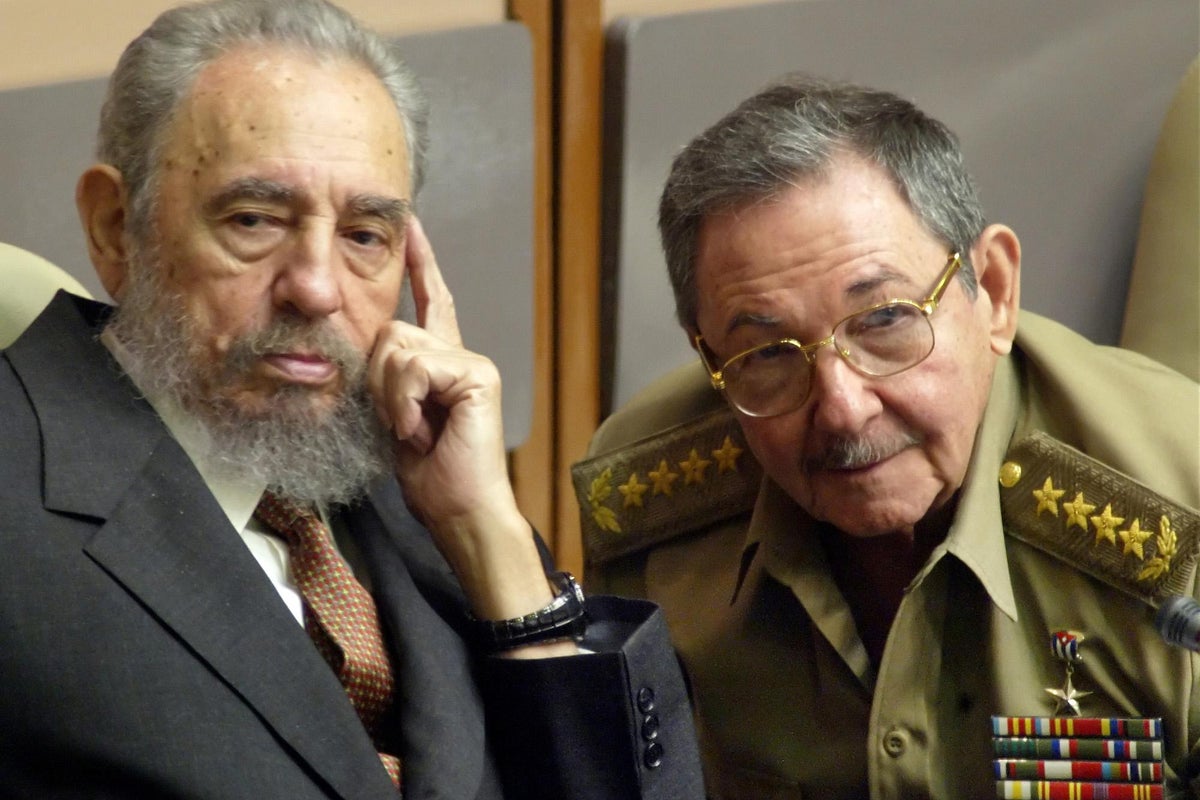
Donald Trump left Beijing just four days ago. Today, Vladimir Putin walked into the same Great Hall of the People. The red carpet was identical, but the script changed completely.
Hosting the leaders of two nuclear superpowers in less than a week is a massive flex for Chinese President Xi Jinping. He wants the world to see Beijing as the true center of gravity in modern politics. While Trump got a quiet nod on trade agreements, Putin received a full military band, a gun salute, and an intensely coordinated rhetorical assault directed straight at Washington.
Xi didn't use Trump's name out loud. He didn't have to. Sitting beside Putin, Xi told the world that the international system risks sliding back into the "law of the jungle." He demanded that Beijing and Moscow stand shoulder-to-shoulder to oppose "all unilateral bullying and actions that reverse history."
It was a blatant warning shot aimed directly at Trump's incoming tariff policies and aggressive foreign policy posture. But underneath the heavy display of solidarity, this high-stakes balancing act is hitting a wall. You can't keep America happy with massive jet purchases while funding Russia's survival.
The Rhetoric Versus the Reality of the Power of Siberia
If you only watched the state television broadcasts, you'd think the alliance between China and Russia was completely seamless. Putin even used an old Chinese proverb to describe his relationship with Xi, saying that even if they don't see each other for a single day, "it feels like three autumns have passed."
The data tells a much colder story. Russia needs China far more than China needs Russia.
Look at the Power of Siberia 2 pipeline project. Putin arrived in Beijing desperately seeking a definitive signature to jumpstart this massive natural gas venture. Russia's economy is bleeding cash from its ongoing military campaigns and heavy Western sanctions. They need alternative energy buyers. Since Europe cut them off, China is the only player big enough to absorb that volume.
Instead of a signed construction contract, Putin left the table with vague promises. The joint statement merely noted that both sides agreed to "continue deepening comprehensive relations" in the energy sector. There was no timeline. No pricing structure. No commitment on volume.
Why? Because China holds all the cards. Henrik Wachtmeister, a prominent researcher at the Swedish Institute of International Affairs, pointed out that Moscow is selling its oil and gas at steep discounts out of sheer necessity. China already buys almost half of Russia's total oil exports. Xi has zero incentive to lock himself into a long-term, expensive pipeline deal when he can continue buying discounted Russian energy on his own terms while maintaining a diversified supplier network.
Playing Both Sides of the Economic Fence
To understand what Xi is actually trying to pull off, you have to look at what happened immediately before Putin landed.
The Chinese Ministry of Commerce quietly confirmed a massive order to purchase 200 Boeing jets from the United States. They also announced they're actively seeking an extension of the trade agreement reached in Kuala Lumpur last year. That's a direct concession to Trump, who bragged about the jet order during his own visit to Beijing last week.
Xi is trying to execute a delicate double play.
- The US Strategy: Keep Trump appeased with major corporate purchases to minimize the severity of impending trade tariffs.
- The Russia Strategy: Use Putin as an ideological shield to counter Western geopolitical dominance and build what they call a "multipolar world order."
This dual strategy is getting dangerous. Xi and Putin signed more than 20 separate agreements during this visit, covering everything from artificial intelligence cooperation to joint technology partnerships. While China claims this trade is insulated from external influence, Washington is watching closely.
If Chinese firms expand their transfer of dual-use technologies to Moscow, Trump's response won't just be tariffs. It will be sweeping secondary sanctions that could cripple major Chinese financial institutions.
The Limits of the Multipolar Dream
For all the talk about a grand coalition to end the era of colonial-style global management, the internal friction between these powers is obvious.
Take the ongoing war in Iran and the broader Middle East crisis. Putin benefits from global instability because it drives up oil prices, providing a vital lifeline for the Kremlin's budget. China, as the world's largest oil importer, despises that same instability. During the summit, Xi pointedly stated that further hostilities in the Middle East are "inadvisable" and called a comprehensive ceasefire an "utmost urgency."
Even their joint declarations feel forced. The two leaders signed a document asserting that the era of Western dominance has failed, yet they spent their entire closed-door session worrying about how to mitigate the impact of Western policies. It's a coalition built entirely on shared grievances rather than shared economic fundamentals.
What Happens Next
The era of easy balancing is over for Beijing. You can't sit on the fence when both sides are pulling the rope with maximum force.
Expect Trump to use the optics of this Beijing summit as immediate justification for a tougher trade stance. The purchase of 200 Boeing planes won't buy China a free pass. If you're managing supply chains or global investments, don't buy into the narrative that a temporary trade truce between the US and China is sustainable.
Watch the technology transfers over the next quarter. If the joint AI agreements signed by Xi and Putin turn into actionable military or computing support, Washington will react aggressively. Diversifying your manufacturing footprint outside of mainland China remains the most logical defensive move for global businesses. The political rhetoric in the Great Hall of the People was loud, but the economic risks for anyone caught in the middle are even louder.