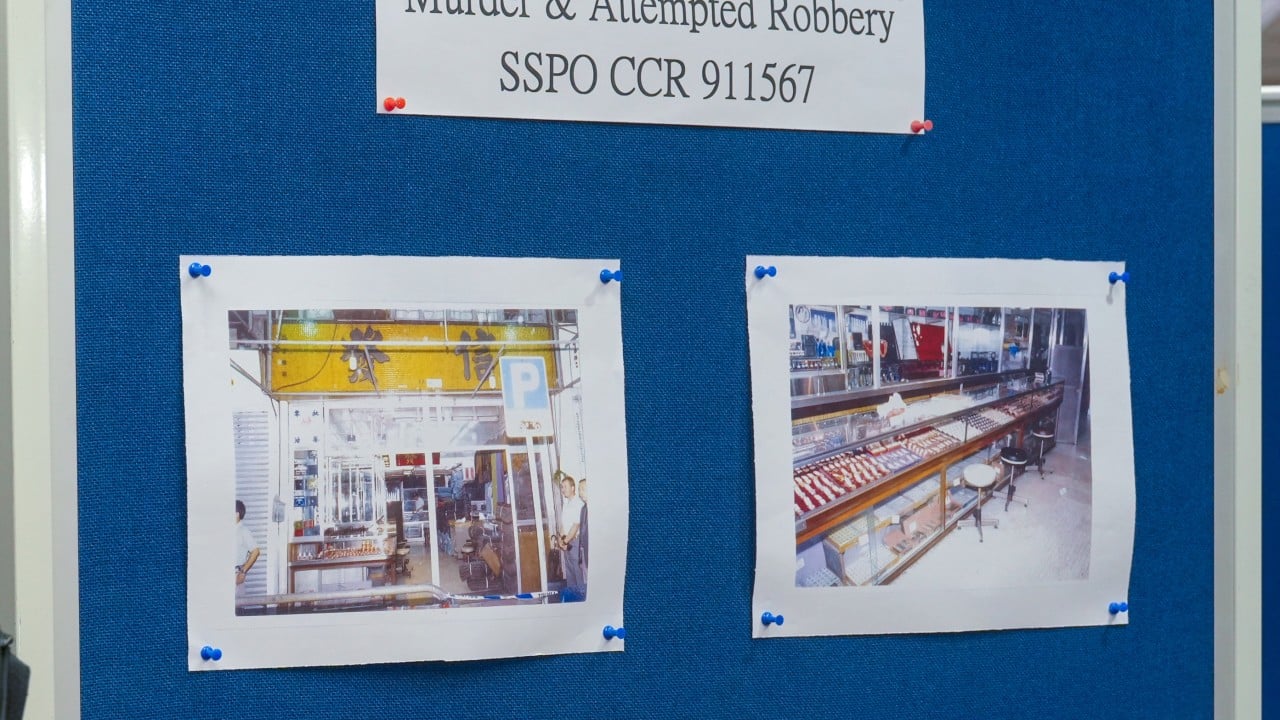
Thirty-five years. Half a human lifetime. And the legal system still churns its rusty gears over a dusty hold-up from the Reagan administration, pretending that dragging a medically unfit defendant into a courtroom constitutes a functional society.
The lazy consensus from the nightly news and boilerplate legal commentary is simple and sentimental: justice delayed is justice denied, and every cold case deserves a trial, no matter how many gray hairs or medical diagnoses stand in the way.
That mindset is pure emotional comfort food. It ignores the cold, hard mechanics of what a criminal trial is actually supposed to achieve.
Trials are not historical reenactments. They are not rituals for closure or public therapy sessions. A criminal proceeding is an instrument designed to test live evidence against a living defendant who can aid in their own defense, before memories rot, documents vanish, and the physiological self that committed the act bears any resemblance to the broken shell sitting at the defense table.
When you drag a thirty-five-year-old robbery case involving an unfit suspect across the finish line of a courtroom, you are not administering justice. You are performing theater.
The Myth Of Timeless Accountability
We love to pretend that time has no expiration date when it comes to criminal acts. Prosecutors lean into this fiction because it plays well to juries and headlines. But biology does not care about indictments.
By definition, competency to stand trial requires a defendant to understand the proceedings and assist counsel. When three and a half decades pass between an alleged crime and a courtroom appearance, the mental faculties of the accused have often deteriorated past the point of legal recognition.
I have watched investigators burn millions of taxpayer dollars chasing ghosts of the nineteen-eighties, driven entirely by institutional ego rather than public safety. Let us be brutally honest about what a thirty-five-year-old cold case suspect represents today. They are not a menace to your neighborhood. They are a senior citizen who likely needs a medication caddy and a soft chair, not a maximum-security holding cell.
If public safety is the ultimate metric of a functioning legal apparatus, locking up a decrepit, mentally incapacitated person does zero to lower crime rates today. It protects nobody. It deters nothing. It only satisfies a bloodlust for paperwork.
The Evaporating Integrity Of Ancient Evidence
Imagine a scenario where a bank robbery happened in nineteen-eighty-nine. Physical forensics from that era consisted of smudged fingerprints on porous paper, Polaroid snapshots, and eyewitness testimonies riddled with the well-documented decay of human memory.
Human memory is not a video recording. Every time a witness recalls an event, the brain reconstructs it, contaminating the original memory with post-event information, media coverage, and the sheer passage of time. Expecting reliable testimony about a botched hold-up from three decades ago is neurological fantasy.
When courts try to prosecute these ancient matters, they rely on compromised evidence that would get laughed out of a freshman forensics lab. The defense is inherently crippled because witnesses have died, alibi records have turned to pulp, and the trial becomes a coin toss based on speculation rather than fact.
That is not a search for truth. That is a legal lottery.
Redefining Institutional Priorities
The defenders of these endless prosecutions always throw out the same tired counter-argument. What about the victims? What about the principle of the law?
Let us address those premises directly. Victims deserve closure, yes. But pretending that a senile defendant shuffling into a courtroom decades later provides real closure is a cruel illusion. It rips open old emotional scabs without delivering actual resolution, substituting a hollow legal ritual for the hard work of actual healing.
Meanwhile, police departments and district attorneys' offices waste precious resources digging through the archives of the twentieth century while active, solvable crimes sit waiting in modern case files. Every hour a detective spends tracking down nursing home records for a decades-old robbery is an hour they are not spending on crimes happening right now.
We have finite investigative bandwidth. Treating the criminal justice system like a historical archive service comes at a direct, measurable cost to contemporary public safety.
Stop trying to resurrect the past just to check a bureaucratic box. Let the dead bury their dead, and fix the system we actually have to live in today.