When seven delivery trucks belonging to a major Toronto food charity were systematically vandalized over Thanksgiving weekend, the public reaction followed a predictable, lazy script. Headlines
Vandalizing Charity Trucks Proves Our Philanthropic Model is Broken
news, business
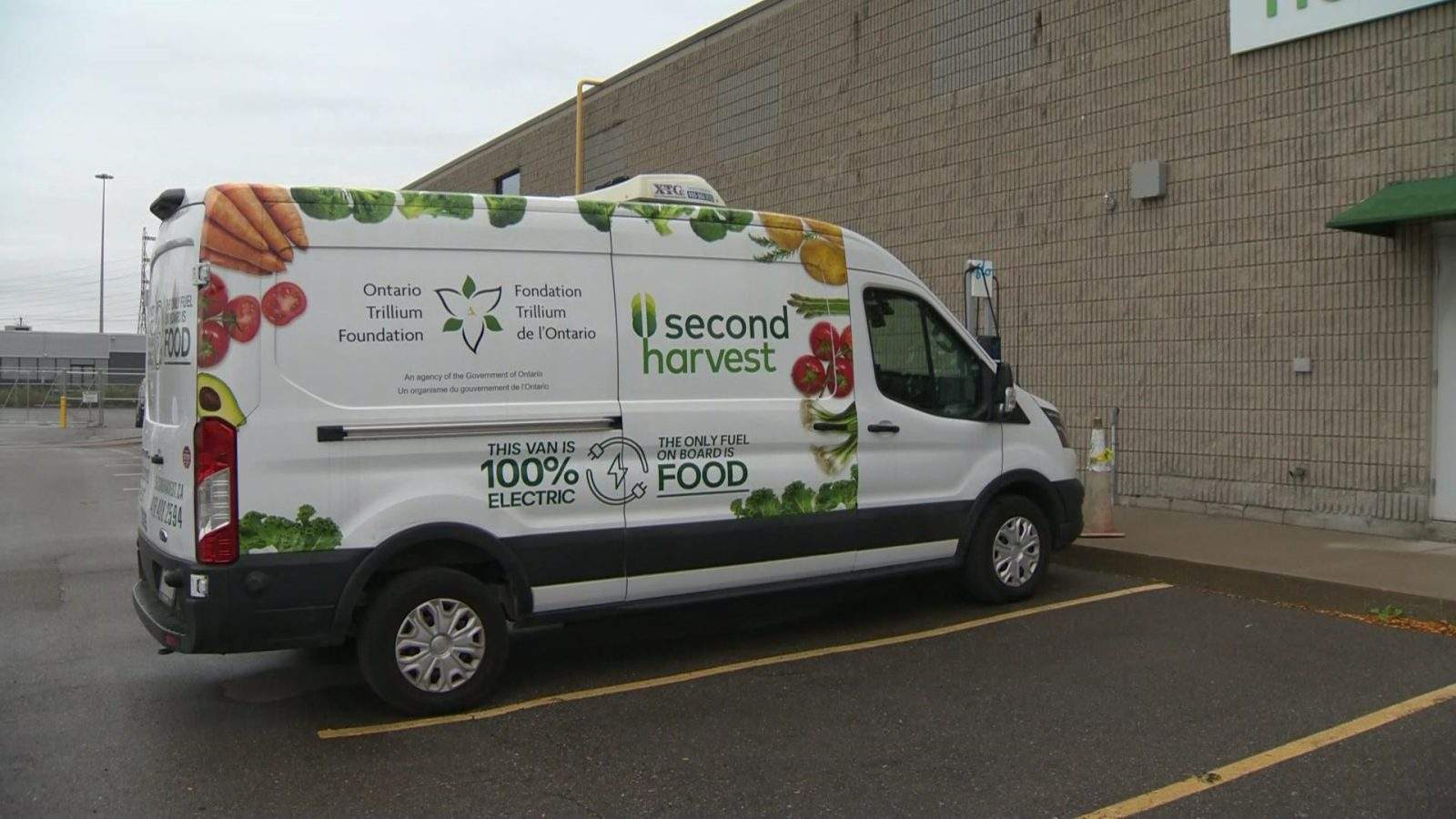
When seven delivery trucks belonging to a Toronto food charity were vandalized over a major holiday weekend, the immediate public reaction followed a predictable, comforting script. Outrage. Condemnation. A rush of donations to replace the slashed tires and smashed windows.
Everyone wants to play the victim and the savior. Nobody wants to look at the structural failure that put those trucks in the crosshairs in the first place.
Let us stop pretending that charity logistics operating out of central warehouses in major urban cores is a functional model. It is an inefficient, fragile, high-overhead relic of twentieth-century thinking. When a fleet of vehicles carrying emergency provisions gets targeted, the knee-jerk media narrative blames random malice. But if you have spent any time managing supply chain vulnerabilities in dense metropolitan environments, you know that centralized food distribution is a sitting duck.
The Logistics Fallacy of Centralized Charity
The standard playbook for urban hunger relief relies on centralization. You build a massive hub, buy a fleet of heavy trucks, and dispatch them radially across the city to drop off parcels. It looks great on an annual report. It makes donors feel like they are funding scale.
It is also an operational disaster.
Centralized fleets create single points of failure. When trucks are parked in municipal lots or unsecured depots over a long holiday weekend, they become physical manifestations of corporate and institutional detachment. They sit there as rolling billboards of an urban divide, broadcasting abundance into neighborhoods crushed by cost-of-living pressures, while remaining completely insulated from the actual communities they claim to serve.
I have watched logistics budgets bleed millions into vehicle maintenance, fuel price spikes, insurance premiums, and urban parking fees—money that never touches a single calorie of food. When vandals strike those trucks, they are not just committing a petty crime; they are exposing the brittleness of an administrative apparatus that insists on driving twenty-ton trucks down narrow city streets instead of embedding distribution directly into neighborhoods.
Why Charity Boards Love Vulnerability
Why do we keep funding a system that breaks this easily? Because vulnerability photographs well.
A damaged truck is a fundraising asset. It triggers an emotional surge, a spike in digital contributions, and a fresh round of press releases about resilience. It feeds the charity-industrial complex, where the crisis is the product. If charities solved distribution through decentralized micro-hubs, neighborhood-level co-ops, and peer-to-peer digital logistics, there would be fewer dramatic headlines. There would be fewer heroic photo-ops with mayors standing in front of repaired windshields.
Imagine a scenario where food security funding bypasses centralized vehicle fleets entirely, routing capital directly into smart lockers, local bodega networks, and hyper-local neighborhood pantries that do not require fleets of commercial trucks to function.
You would eliminate the urban delivery target overnight. But you would also strip away the centralized narrative control that legacy non-profits rely on to justify their overhead.
The Real Cost of Looking Away
The Toronto incident is not an isolated anomaly of holiday crime. It is a symptom of a systemic refusal to modernize. When organizations treat logistics as an afterthought managed by inherited habits rather than rigorous supply-chain science, they invite disruption.
Throwing more donation money at the repair shop does nothing to fix the underlying architecture. Until we decentralize urban food relief and strip away the vanity of massive vehicle fleets, we are just funding the next target. Stop buying replacement rearview mirrors. Start redesigning the network.