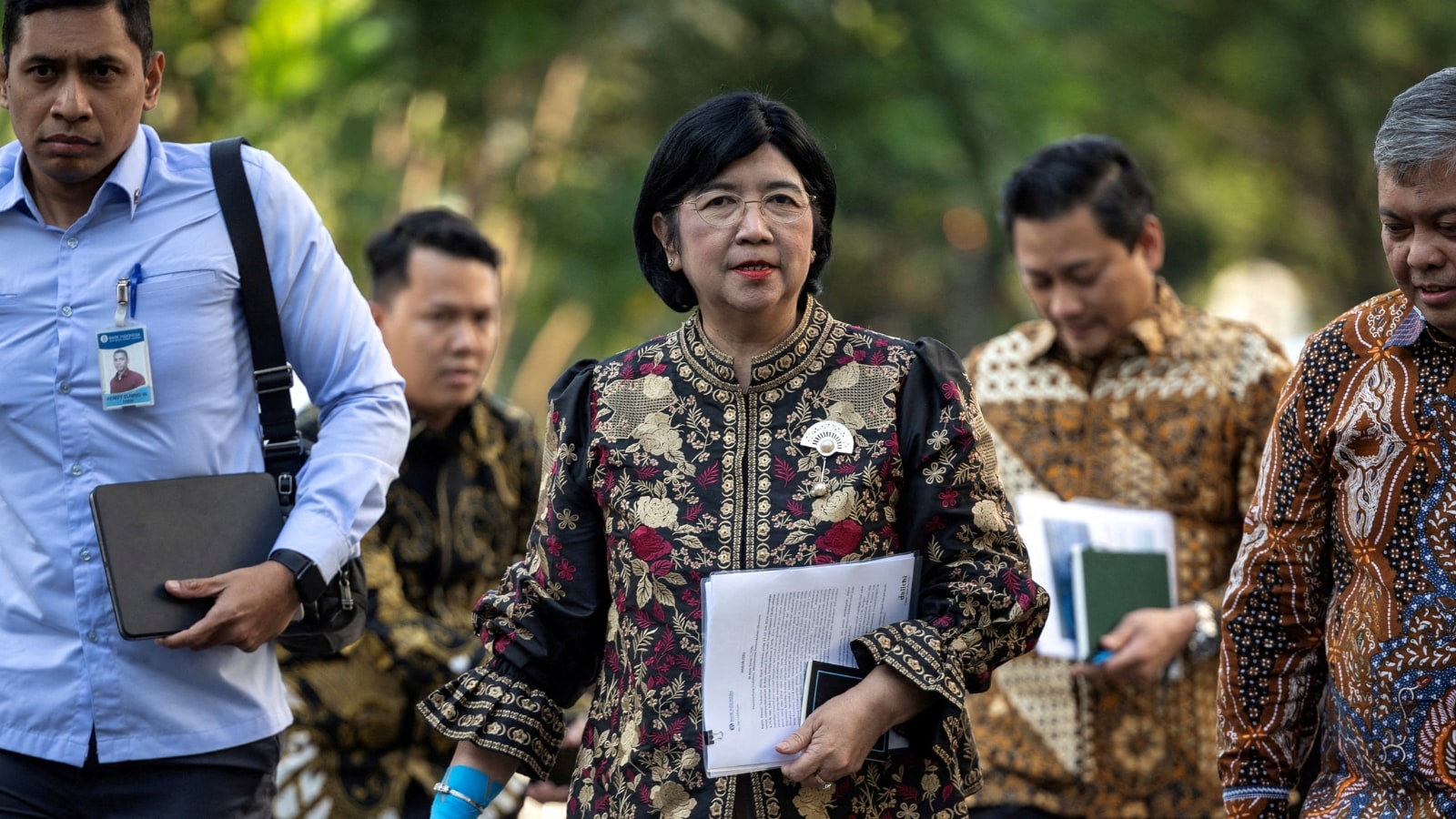
The nomination of acting head Destry Damayanti to permanently lead Bank Indonesia represents a critical juncture for emerging market monetary governance. When President Prabowo Subianto designated Damayanti as the sole candidate to succeed Perry Warjiyo, who resigned abruptly, financial markets faced an immediate test regarding institutional autonomy. Understanding this transition requires examining the structural friction between executive growth mandates and orthodox central banking, particularly as macroeconomic pressures mount on the Indonesian rupiah and domestic equity markets.
The abrupt departure of former governor Perry Warjiyo in late July exposed underlying tensions between fiscal ambitions and monetary conservatism. President Prabowo has committed to accelerating annual economic expansion toward an eight percent target, a velocity that demands aggressive credit creation and accommodative liquidity. Conversely, Bank Indonesia faces a deteriorating external environment marked by a depreciating currency and capital outflows, necessitating defensive monetary tightening. This divergence establishes a structural bottleneck where monetary authorities are compelled to choose between defending currency stability through higher benchmark rates or easing credit conditions to fulfill state growth targets.
Institutional architecture determines policy outcomes during periods of political stress. The recent legislative changes passed by parliament expand the central bank mandate, formally incorporating real-sector growth and job creation alongside traditional price stability objectives. This statutory shift alters the central bank cost function. Under a dual or expanded mandate, the institution internalizes political preferences that historically fell outside its operational domain.
Speculation preceding Damayanti's nomination centered on whether the administration would install a political loyalist, such as presidential nephew Thomas Djiwandono, which would have signaled a complete subordination of monetary policy to executive priorities. By nominating Damayanti, a career technocrat who has served as senior deputy governor since 2019, the administration opted for credibility preservation over absolute control. Markets reacted favorably to this containment of political risk, viewing her institutional continuity as a bulwark against hyper-interventionism.
The operational reality facing the incoming governor remains unforgiving. Bank Indonesia maintains a benchmark interest rate of 5.75 percent following cumulative adjustments designed to defend the rupiah against external shocks. The transmission mechanism of monetary policy in Indonesia relies heavily on bank lending channels, which react quickly to central bank signaling. If political pressure forces premature rate cuts to stimulate lending before inflation and currency volatility are contained, capital flight will accelerate, eroding foreign exchange reserves and importing inflation.
Parliamentary confirmation serves as the final institutional checkpoint before Damayanti assumes the permanent role. Because the legislature operates under the influence of the ruling coalition that engineered the expanded central bank mandate, the confirmation hearings will establish the baseline expectations for policy compliance. Lawmakers will evaluate candidates based on their alignment with state development projects rather than purely technical monetary metrics, shifting the institutional equilibrium permanently toward fiscal dominance.
To navigate this structural constraint, the central bank must calibrate its liquidity management tools to support targeted credit expansion without compromising the nominal anchor of the currency. The strategic play for monetary leadership involves utilizing macroprudential instruments, such as countercyclical capital buffers and specialized lending incentives, to channel liquidity into productive sectors while keeping the benchmark policy rate anchored against external volatility.