The Luxury Property Illusion
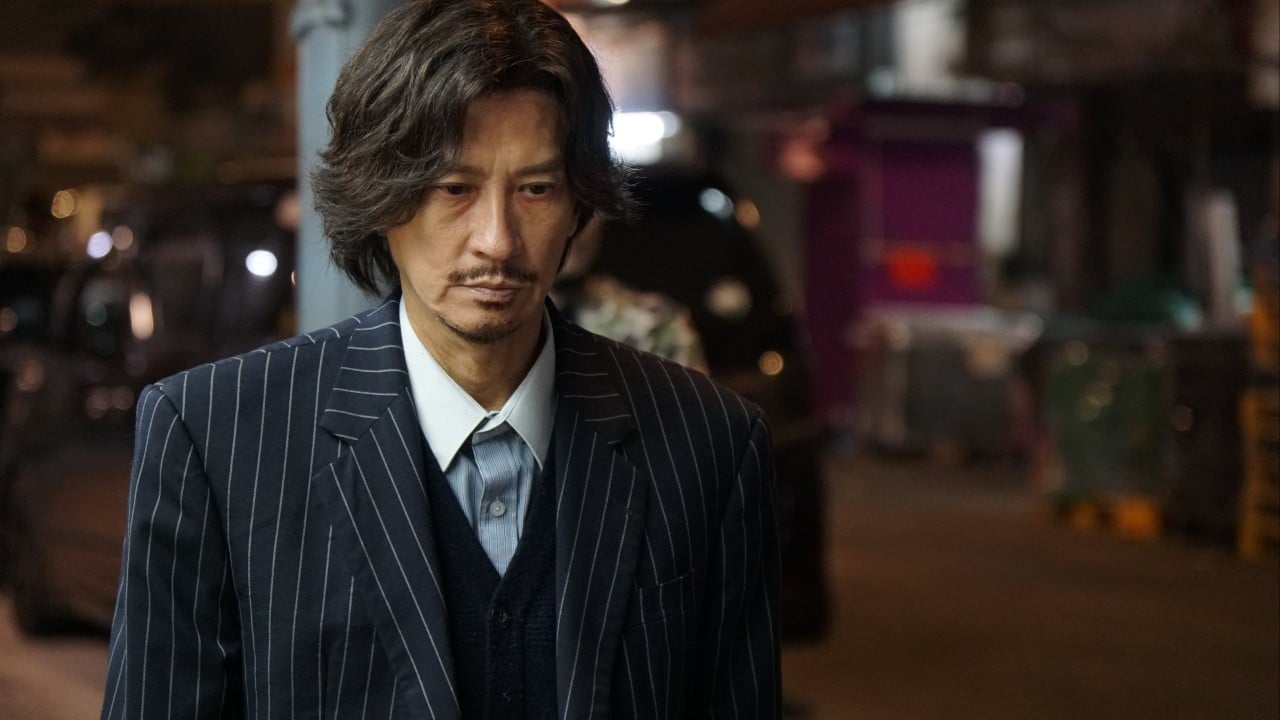
The media love a narrative that glitters. When Hong Kong cinematic heavyweight Nick Cheung Ka-fai drops HK$135 million on a high-floor unit in Bel-Air, or pop icon William Chan Wai-ting expands his multi-property portfolio in Repulse Bay, the headlines practically write themselves. The lazy consensus shouts that the ultra-wealthy are calling the bottom of the market. They tell you that a "wave of upmarket home sales" signifies a roaring comeback for Hong Kong’s elite property sector.
It is a comforting story. It is also entirely wrong.
What the breathless reporting misses is the fundamental difference between public relations and hard asset management. Wealthy celebrities are not economic prophets. Treating their personal residential purchases as macro-economic indicators is a fundamental misunderstanding of how high-net-worth capital operates. These high-profile acquisitions are not a collective bet on a real estate renaissance; they are defensive, idiosyncratic plays disguised as confidence.
The Flawed Premise of the Celebrity Indicator
Mainstream financial writers look at a HK$100 million celebrity transaction and ask: What do they know that we don’t?
Having spent two decades analyzing high-end capital flows and watching elite investors misallocate capital during market pivots, I can tell you the answer: usually, nothing.
Celebrities operate under an entirely different set of financial constraints and incentives than the average investor, or even the institutional fund manager. To understand why their property purchases are bad bellwethers, we have to look at the mechanics of celebrity wealth.
The Illusion of Liquid Wealth
Most observers view a HK$135 million purchase as a massive cash bet on the future value of Hong Kong land. In reality, residential property in Hong Kong functions for local celebrities as a high-security savings account with terrible yield but high social utility.
Unlike tech founders or industrial tycoons whose wealth is tied to corporate equity, entertainment figures earn highly concentrated, lumpy tranches of fiat currency. They get paid massive sums for a film, a concert tour, or an endorsement campaign. This cash burns a hole in their balance sheets because holding massive liquid deposits in a volatile inflationary environment is a slow financial death.
They do not buy Bel-Air because they expect the property to double in value by 2030. They buy it because they need a legally compliant, culturally validated parking spot for large amounts of cash that protects them from their own impulse to over-diversify into businesses they do not understand (like restaurants, fashion brands, or crypto startups, where celebrity capital goes to die).
The Tax Asymmetry
The press frequently forgets that the local tax structure privileges certain wealthy individuals while penalizing others. Nick Cheung’s purchase of the Bel-Air unit through a first-time buyer status—despite his long history in the property market—highlights a hyper-specific optimization strategy.
When a celebrity utilizes legal loopholes or corporate structures to pay a 4.25% stamp duty instead of the prohibitive rates levied on multi-property owners, they are executing a tax play, not a market call. They are buying the discount on the transaction cost, not necessarily the asset itself.
Dismantling the Luxury Wave Narrative
Let us look at the actual mechanics of the Hong Kong luxury residential sector rather than the glossy brochures.
| Metric | The Media Narrative | The Market Reality |
|---|---|---|
| Transaction Volume | A rising tide of elite buyers entering the market. | Isolated transactions driven by heavy developer discounts and vendor financing. |
| Asset Liquidity | Ultra-prime property remains the ultimate liquid store of value. | Horizons to exit have doubled; secondary luxury markets are effectively frozen. |
| Capital Origin | Local confidence is surging back. | Strategic asset shifting, cross-border wealth preservation, and tax optimization. |
The narrative of an upmarket resurgence relies on a classic sampling bias. The media report every time an A-list actor buys a penthouse in Pok Fu Lam, but they ignore the dozens of mid-tier tycoons quietly liquidating their Mid-Levels portfolios at a 30% discount to service corporate debt elsewhere.
Imagine a scenario where a luxury development registers five major sales in a month. The headlines declare a boom. What they fail to report is that three of those sales involved complex vendor-financing schemes where the developer essentially loaned the buyer the money to purchase the unit, or offered unprecedented rebates that artificially inflated the registered transaction price. The sticker price says HK$100 million, but the net economic reality is closer to HK$75 million.
Why Celebrity Real Estate Portfolios Usually Underperform
If you want to maximize your return on capital, copying a movie star's portfolio is one of the fastest ways to underperform the broader market.
Celebrity real estate acquisitions are driven by factors that actively destroy investment yield:
- The Privacy Premium: High-profile individuals pay an exorbitant premium for gated access, dedicated elevators, and high security. This "privacy tax" can add 20% to 30% to the purchase price of an asset, but it adds absolutely zero value to the next buyer unless that buyer is also a paranoid celebrity. When the market corrects, the privacy premium vanishes first.
- The Emotional Premium: Entertainers are susceptible to lifestyle creep and emotional attachment to specific neighborhoods. A property bought because it sits near a specific studio or within an exclusive enclave favored by industry peers is a consumption choice, not a cold-blooded financial investment.
- Lack of Diversification: Local stars notoriously over-concentrate their net worth in a single geographic territory—Hong Kong island—and a single asset class. They are heavily exposed to localized regulatory changes, interest rate fluctuations pegged to the US dollar, and regional economic shifts.
The Hard Truth About the Hong Kong Bottom
People frequently ask: Is now the time to buy luxury property in Hong Kong while prices are below their historic peaks?
The brutal answer is no—not if you are looking for capital appreciation.
The structural foundations of the Hong Kong property market have fundamentally shifted. The historical bull run from 2008 to 2019 was fueled by a unique confluence of hyper-low global interest rates, a massive influx of mainland corporate capital seeking immediate offshore allocation, and a chronic undersupply of land.
Today, those dynamics are broken. Interest rates are structurally higher, capital controls are tighter, and the elite class of buyers is diversifying globally rather than doubling down locally. When William Chan buys into Repulse Bay, he is buying into an insular lifestyle ecosystem that he understands intimately. He is not doing the cross-border macro analysis required to beat the S&P 500 or global private equity benchmarks.
To call a market bottom based on a few celebrity signatures on a sale and purchase agreement is pure financial illiteracy. True market bottoms are marked by institutional capitulation, widespread distress, and absolute silence from the entertainment pages. When the headlines are still boasting about movie stars buying penthouses, the market has not cleared the optimism out of its system yet.
Stop looking at where the stars sleep. Look at where the institutional smart money is fleeing.
If you want to preserve capital like a celebrity, buy a luxury apartment, pay your massive holding costs, and enjoy the view from the balcony while your capital grows slower than inflation. If you want to build wealth, stop treating the entertainment section as a financial prospectus. Take your capital, look for structural growth sectors with real cash flow, and leave the overpriced concrete to the people who need it for their brand image.