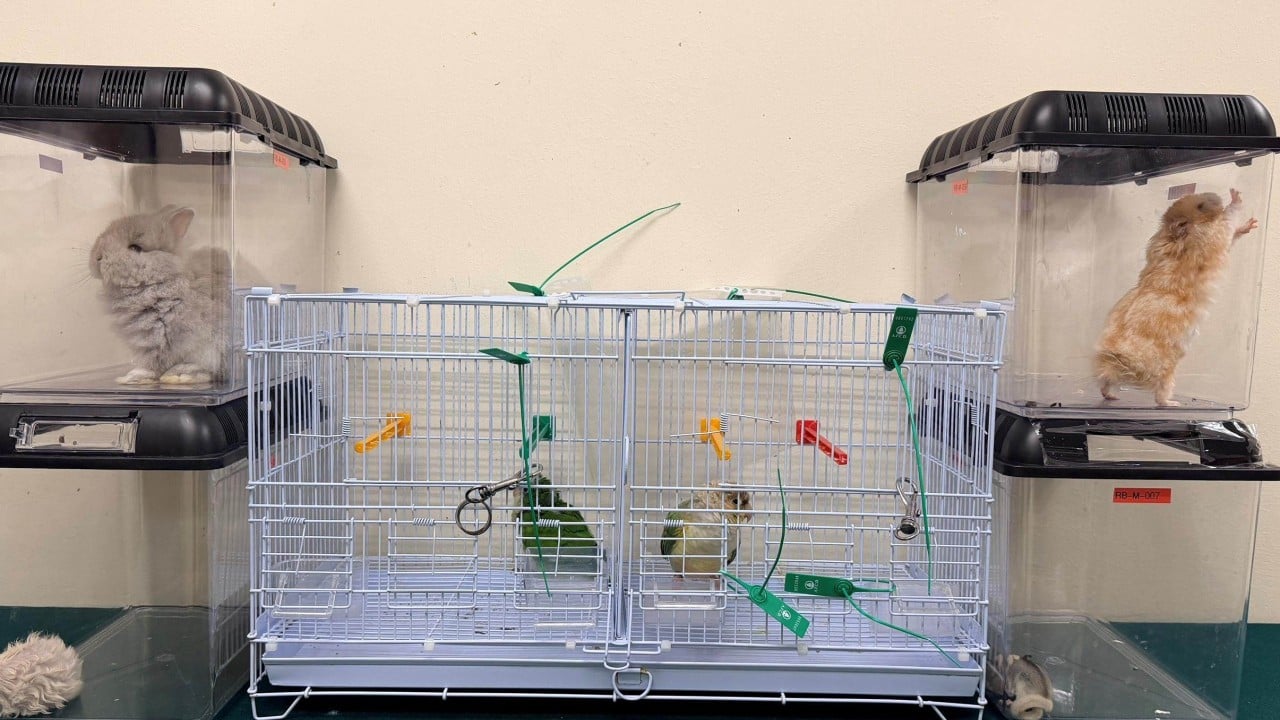
Another headline blares about customs agents heroically intercepting a package of bound turtles or unearthing parrots stuffed inside socks. Law enforcement pats itself on the back. Prosecutors drop heavy statutory threats about multi-year prison sentences and eight-figure fines. The public nods along, comforted by the theater of border protection.
It is all a comforting illusion. Border seizures do not protect endangered species. They accelerate their extinction.
The lazy consensus in modern conservation journalism is that stopping a smuggler at the port of entry represents a victory for biodiversity. Seize the contraband, arrest the courier, throw away the key, and save the planet. This narrative treats wildlife trafficking like the smuggling of narcotics or counterfeit electronics.
That framework is fundamentally broken. You cannot apply drug-war economics to living organisms and expect conservation success.
The Economics of Scarcity Creation
When customs officials intercept a shipment of forty rare turtles or a clutch of exotic parrots, they do not destroy the demand. They magnify it.
Basic supply and demand curves dictate that restricting supply in the face of inelastic demand causes prices to spike. By seizing animals at the border, law enforcement creates artificial scarcity in the underground pet and collector markets. Every successful bust drives up the street value of the remaining specimens already in circulation or those yet to be captured.
I have spoken with wildlife enforcement analysts who privately admit that interception rates are a drop in the ocean. For every parcel of wrapped reptiles caught hidden inside a shipment declared as decorative mugs, multiple others clear automated risk assessments or slip through porous land borders. When a shipment is intercepted, the financial loss is simply baked into the syndicate's business model as overhead. The end consumer absorbs the higher cost, and poachers in the wild receive orders to double down on their next harvest to make up for the lost inventory.
Worse yet, consider the fate of the confiscated animals. Overburdened municipal zoos and rescue facilities are forced to take in traumatized, dehydrated creatures suffering from respiratory infections or injuries sustained during transit. Many do not survive the quarantine process. When authorities seized a batch of reptiles in high-heat border regions recently, the animals perished before proper care could even be administered. The system destroys the very life it claims to safeguard.
The Flawed Premise of Border Enforcement
People ask why customs agencies cannot simply tighten surveillance at international hubs to completely choke off illicit wildlife pipelines. This question relies on a flawed premise. It assumes that border checkpoints are effective control points for decentralized, agile networks of poachers and brokers.
Smugglers do not need complex maritime shipping lanes or commercial air cargo manifests. They use standard postal services, private vehicles, and informal land crossings where millions of tons of legitimate goods move daily. Total inspection is an impossibility unless global trade is brought to a complete standstill. Pinning conservation outcomes to border interdiction is like trying to empty an ocean with a kitchen strainer.
Instead of treating wildlife trafficking as an import-export paperwork violation, we should look at habitat economics. The real driver of the exotic pet trade is not the sophistication of the smuggler; it is the economic desperation of rural communities near natural habitats coupled with the lax regulation of captive-breeding legal loopholes.
If legal, regulated captive-breeding programs were allowed to flood the market with affordable specimens, the wild-caught premium would collapse. Collectors want rare species; if a legally captive-bred turtle costs a fraction of a wild-caught one and comes with verifiable paperwork, the incentive to pay poachers to rip animals out of fragile ecosystems plummets.
Stop Policing the Symptom
Arresting a courier at a checkpoint feels productive because it offers a visible villain and a handcuffs photo. It provides a dopamine hit of pseudo-justice. But it does nothing to alter the baseline economics driving species to the brink.
As long as conservation policy focuses on theatrical border busts rather than destroying the profitability of wild harvesting through legal market saturation and habitat-level economic alternatives, these seizures will remain what they truly are. Expensive, feel-good PR stunts played out against a backdrop of ongoing extinction.
Woman accused of smuggling dozens of reptiles in pillowcases
This video provides an inside look at the mechanics of reptile smuggling rings and the immense challenges wildlife authorities face at border crossings.
http://googleusercontent.com/youtube_content/1