Sacramento loves a good press release. Every few years, a new wave of coastal legislators passes a sweeping bill designed to block Washington from leasing federal waters off the Pacific coast, and every few years, headlines celebrate the victory as if the matter is settled.
It is not settled. In fact, the entire premise of the mainstream narrative is backwards. Meanwhile, you can read related stories here: The Ballot and the Bruise How Brazilian Women Became the Deciding Vote.
The lazy consensus assumes this is a simple tug-of-war between state sovereignty and federal overreach, where a clever piece of state legislation can outmaneuver the White House. That reading ignores three decades of settled constitutional law, the physical realities of offshore infrastructure, and the cold, hard economics of the global crude market. If you think a state-level ban stops federal drilling, you are looking at the wrong battlefield.
The Constitutional Brick Wall Nobody Mentions
To understand why Sacramento's latest legislative maneuvers are mostly political theater, look at where the oil actually sits. To see the complete picture, we recommend the recent report by The New York Times.
Under the Submerged Lands Act of 1953, states control the seabed out to three nautical miles from their coastline. California banned new oil and gas leases in those state waters back in 1994 with the California Coastal Sanctuary Act. That battle was won thirty years ago.
Everything beyond three nautical miles—out to 200 nautical miles—is the Outer Continental Shelf (OCS). Under the Outer Continental Shelf Lands Act (OCSLA), that territory belongs exclusively to the federal government. The Department of the Interior, specifically the Bureau of Ocean Energy Management (BOEM), holds sole authority to lease those tracts.
"A state legislature cannot pass a statute that nullifies federal authority over federal property. The Supremacy Clause of the U.S. Constitution stops that cold."
I have sat in boardrooms watching energy attorneys bill millions of dollars gaming out these exact jurisdictional border wars. The playbook never changes. When California passes a law attempting to restrict federal lease sales, they are not changing the law of the Outer Continental Shelf. They are buying time through litigation.
Lawsuits filed under the National Environmental Policy Act (NEPA) or the Coastal Zone Management Act (CZMA) do not kill federal leases permanently. They force the Department of the Interior to redo environmental impact statements, hold extra public comment periods, and defend their administrative record in the Ninth Circuit. That delays projects by two, four, or sometimes six years—often long enough to run out the clock on a four-year presidential term. Delay is a tactic, not a legal ban.
The Real Choke Point Is Onshore, Not Offshore
Here is the nuance the mainstream coverage misses entirely: California does not need a dramatic new anti-drilling law to stop offshore oil. It already holds the keys to the only thing that makes offshore drilling financially viable.
An offshore rig sitting five miles out in the Pacific is useless without a way to bring that crude to market. You cannot load supertankers directly from a platform off Santa Barbara. You need:
- Subsea pipelines crossing the three-mile state boundary.
- Onshore processing facilities to separate water, gas, and heavy crude.
- Marine terminals and refineries connected to the California grid.
Every single one of those assets sits inside California's three-mile state border or on California soil. And every single one falls squarely under the permitting thumb of the California Coastal Commission and the State Lands Commission.
Think about the economics of an offshore project. Developing a new deepwater platform and subsea tie-back requires billions of dollars in upfront capital expenditure before a single barrel generates revenue. No major oil company—and certainly no institutional lender—will underwrite a multi-billion-dollar federal lease in the Pacific if the state of California refuses to permit the pipeline connecting that rig to the beach.
Sacramento already tested this exact choke point with AB 1775 and SB 834 back in 2018, laws that specifically prohibited the State Lands Commission from issuing new leases or renewals for pipelines and piers supporting federal oil extraction. You do not need to ban drilling in federal waters if you make it legally impossible to bring the oil ashore.
Why Big Oil Is Not Actually Lining Up at the Door
The political coverage paints a picture of oil executives champing at the bit, waiting for the White House to drop the green flag so they can swarm the California coast.
Talk to anyone who actually allocates capital in the upstream energy sector, and you get a very different reality. Even if Washington opened up the entire Pacific OCS tomorrow morning with zero legal pushback from Sacramento, major operators would still hesitate.
1. The Geology and Crude Quality Problem
California offshore crude is notoriously heavy, sour, and high in sulfur. It is expensive to extract and expensive to refine compared to the light, sweet crude pouring out of the Permian Basin in West Texas and New Mexico. Why would an operator spend ten years fighting California regulators for heavy crude when they can drill a horizontal well in Midland in three weeks?
2. The Infrastructure Decay
California's existing offshore infrastructure is aging out. Look at the Plains All American Pipeline rupture at Refugio State Beach in 2015. That single incident shut down onshore pipeline transport for seven platforms off Santa Barbara for nearly a decade. ExxonMobil eventually wrote off hundreds of millions of dollars and sold off its Santa Ynez Unit assets because restarting production proved to be a regulatory nightmare.
3. Capital Discipline on Wall Street
Publicly traded oil majors are no longer rewarded for chasing high-risk, politically toxic frontier basins. Institutional investors demand free cash flow, share buybacks, and low breakeven costs. A new California offshore project fails every single one of those metrics.
Answering the Questions People Actually Ask
When people search for whether California can block federal drilling, they are usually operating on outdated assumptions about how energy markets and federal power actually interact.
Can a president unilaterally force drilling off the California coast?
No. A president can direct the Department of the Interior to include Pacific tracts in a Five-Year OCS Oil and Gas Leasing Program. That starts a multi-year bureaucratic process involving environmental reviews, lease auctions, exploration plans, and development permits. A president cannot snap their fingers and put rigs in the water.
Does California's new legislation override federal leases?
No. Federal law preempts state law on the Outer Continental Shelf. What state legislation actually does is erect procedural roadblocks—such as banning state agencies from cooperating on infrastructure permits or restricting state-regulated utilities from servicing offshore platforms.
Will blocking California offshore drilling reduce global oil consumption?
Not by a single drop. California is an energy island—isolated from the rest of the U.S. pipeline network by the Sierra Nevada and Rocky Mountains. When California shuts down local production, its refineries do not stop making gasoline. They simply import more crude via marine tankers from Saudi Arabia, Iraq, Ecuador, and Brazil. You trade tightly regulated local production for foreign imports burned on bunker-fuel tankers crossing the Pacific.
The Downside of the Choke-Point Strategy
If you are going to take a hard look at California's strategy of strangling onshore infrastructure to block federal leases, you have to be honest about the blowback.
First, starving local refineries of domestic crude supply directly drives up retail fuel prices for California drivers. California routinely pays the highest gas prices in the nation—often $1.50 to $2.00 per gallon above the national average—because its refineries are forced to rely on expensive seaborne imports and specialized fuel blends.
Second, pushing federal regulators into a corner invites aggressive federal preemption lawsuits. If California uses its coastal permitting authority in a way that federal courts view as an unconstitutional de facto ban on federal commerce, the Supreme Court could narrow the scope of the Coastal Zone Management Act. Sacramento risks winning a short-term headline while permanently weakening the very state-level environmental statutes it relies on.
Stop Watching the Bills and Watch the Permits
If you want to know whether new drilling will ever happen off the California coast, stop reading the text of newly signed state laws and stop listening to campaign speeches from Washington.
Watch three things instead:
- The BOEM Five-Year Leasing Program: Unless a lease sale is formally finalized, auctioned, and awarded before a presidential term ends, the next administration can simply cancel the unfinished process.
- State Lands Commission Pipeline Renewals: As long as Sacramento denies right-of-way permits across the three-mile coastal zone, federal leases remain stranded assets.
- Refinery Capacity in Los Angeles and the Bay Area: California refineries are actively closing or converting to biofuels. Without local refining capacity to process heavy coastal crude, drilling offshore makes zero economic sense.
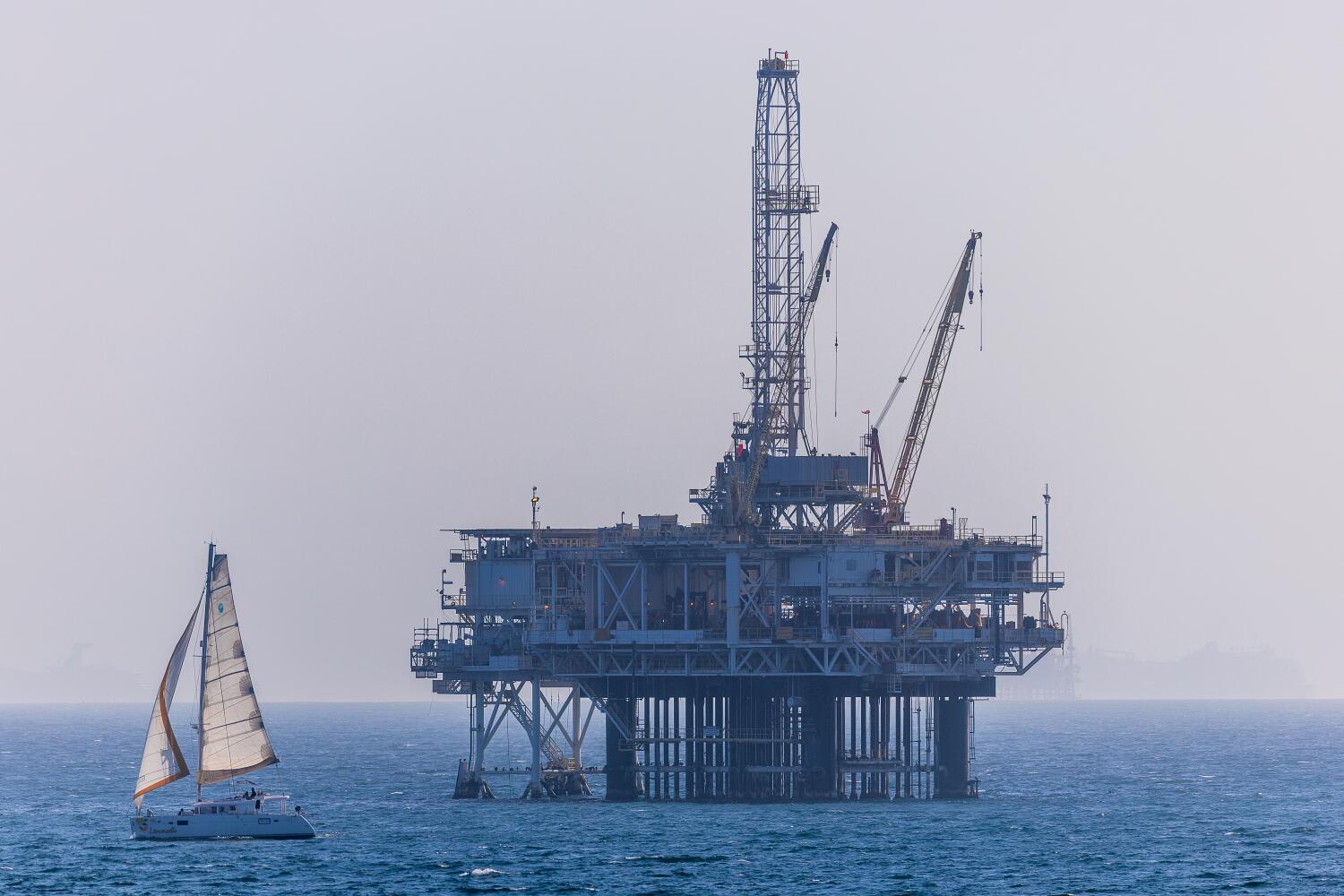
Politicians in Sacramento pass laws to take credit for stopping something that Wall Street economics and coastal infrastructure bottlenecks had already killed. Let Washington hold its lease auctions. Without a pipeline to the beach, an offshore oil rig is just an expensive steel island in the middle of the ocean.