Every headline breathlessly tracks the movement of diplomatic motorcades in Cairo. Envoys fly in. Mediators brief reporters. Statements speak of constructive atmospheres, narrow gaps, and urgent frameworks.
It is theater.
The lazy consensus in mainstream coverage treats these summits as genuine architecture for regional stability. The narrative goes that if Washington applies enough pressure, if Arab intermediaries squeeze hard enough, and if delegates sit in air-conditioned rooms long enough, a ceasefire agreement will naturally materialize from the text.
That framework is fundamentally broken. It mistakes procedural motion for substantive progress. I have spent years watching international mediation teams throw millions of dollars and thousands of man-hours at structural deadlocks, pretending that a clever phrase in a document can override zero-sum military objectives on the ground.
When you look at the mechanics of the Gaza peace talks, the glaring omission in every major newsroom analysis is simple: the incentives of the actors at the table are entirely disconnected from peace.
The Anatomy of Diplomatic Kabuki
Let us define terms. Real diplomacy requires mutual vulnerability and a shared interest in a stable status quo. Right now, neither of those conditions exists.
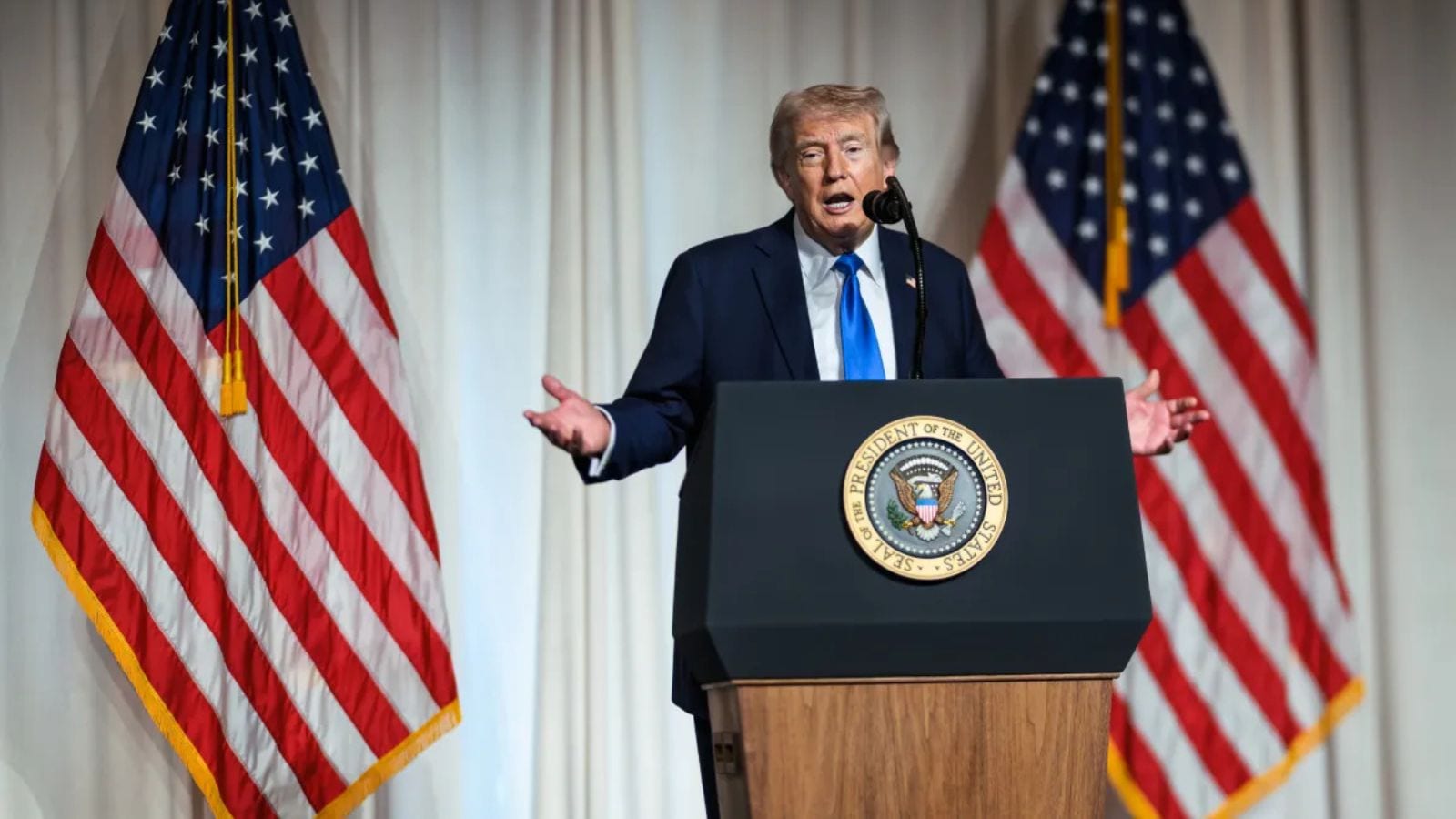
Trump's envoys arrive in Cairo with a playbook built on transactional deal-making. In corporate boardrooms, leverage works because both parties want the deal to close to realize profit. In asymmetric asymmetrical warfare, survival trumps profit every single time. When one side views the conflict through an existential lens and the other views it through a security management lens, a mediated compromise is a mathematical impossibility.
Mediators from Qatar and Egypt do not push for permanent resolutions because a permanent resolution ends their utility. Their geopolitical weight depends entirely on their status as indispensable intermediaries. If a lasting peace breaks out, their unique leverage evaporates. Keeping the crisis managed—simmering just below regional combustion—is a diplomatic profit center.
Meanwhile, airstrikes continue. Mainstream outlets treat these strikes as interruptions to the peace process. That is backwards. The airstrikes are an active component of the negotiation strategy. Military pressure shapes the bargaining posture. Diplomacy does not happen despite the bombs; the bombs are the loudest voice at the table.
Dismantling the Mediator Myth
The public asks why mediators cannot bridge the gap on governance and security control in post-conflict Gaza. The question itself is flawed. It assumes the gap is a misunderstanding that can be solved with clever wording.
It is not a misunderstanding. It is an unbridgeable chasm of core security doctrines.
Imagine a scenario where a corporate merger forces two bitter rivals into the same executive suite, except one rival's explicit corporate goal is the liquidation of the other's enterprise. No amount of mediation, board facilitation, or escrow structuring fixes that fundamental incompatibility.
Yet, news networks keep running countdown clocks for the Cairo summits. They treat every delayed departure as a sign of progress.
Let us look at the structural reality:
- Incentive Misalignment: Negotiators are rewarded for showing up, not for producing durable outcomes. The metric of success for a diplomat is press coverage, not long-term regional security.
- Domestic Survivalism: Political leaders on all sides derive internal stability from external conflict. De-escalation invites domestic political vulnerability.
- The Enforcement Vacuum: Every proposed framework lacks a monopoly on violence to enforce compliance. Without a credible enforcement mechanism, any signed paper is worth less than the ink used to print it.
Admitting these downsides makes the diplomatic corps uncomfortable, but it is the baseline requirement for intellectual honesty. Pretending that the next round of talks in Cairo holds the magic key is not just naive; it is actively malicious because it masks the grim reality on the ground with false hope.
The Unspoken Economic Engine
Follow the money. War economies are resilient. Defense procurement, intelligence expansion, security contracting, and geopolitical positioning generate massive financial flows.
When international stakeholders gather in Cairo, capital markets do not shudder because institutional investors know the truth: these talks are shock absorbers, not solution engines. They absorb the kinetic energy of the conflict so that global markets can keep functioning without systemic disruption.
The peace plan is not meant to stop the war. It is meant to manage the optics of the war.
If you want to understand why airstrikes persist while envoys sip coffee in five-star hotels, stop listening to the press releases. Look at the balance sheets of military supply chains and the approval ratings of domestic leaders who need an external enemy to stave off internal reckoning.
Stop waiting for Cairo to save the region. It never was going to.