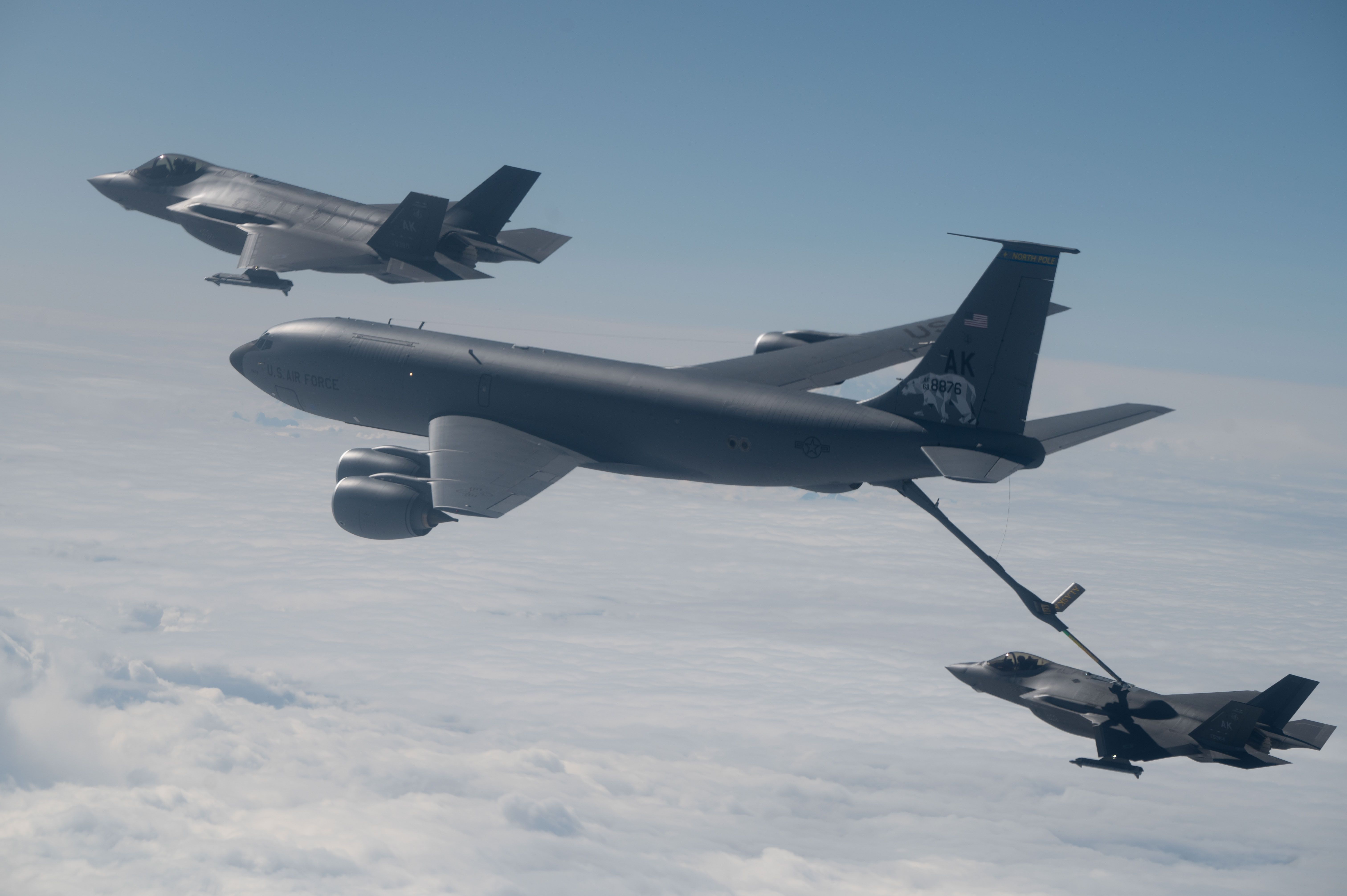
The defense commentariat is popping champagne over the arrival of Israel’s second Boeing KC-46 Pegasus style aerial refueling tanker, often locally designated or associated with the broader KC-46 or modified platform ecosystem depending on contract nomenclature, historically dubbed the Gideon squadron. Headlines scream about extended reach, strategic deterrence, and the operational independence of the Israeli Air Force.
Every single defense analyst parroting this line is fighting the last war.
They look at a bigger fuel tank with a flying boom and see invincibility. I look at an exposed, lumbering, modified commercial widebody flying near contested airspace and see a multi-billion-dollar target waiting to be dismantled by modern integrated air defense systems.
Stop cheering for the wrong metal. Buying more traditional aerial refueling tankers in an era of hypersonic missiles and long-range surface-to-air coverage is not a power move. It is an expensive way to build a bottleneck.
The Lazy Consensus on Aerial Range
The conventional wisdom goes like this: Israel sits at the edge of the Middle East, its primary strategic adversaries are thousands of miles away across multiple hostile borders, and therefore, gas stations in the sky equal strategic depth. Without tankers, fighter jets like the F-35I Adir cannot reach deep targets and return home safely.
This argument relies on static math. It assumes an uncontested corridor where a modified Boeing 767 can loiter lazily at 30,000 feet, handing off fuel to fighters as if they were pulling into a truck stop on the highway.
That world vanished a decade ago.
Modern long-range engagement alters the physics of air combat. When adversaries deploy tracking radars operating on low-frequency bands paired with long-range engagement missiles, high-value airborne assets like tankers, airborne early warning and control aircraft, and electronic warfare platforms become primary targets. A KC-46 is essentially a repurposed commercial airliner with a radar cross-section the size of a barn door. Putting it within striking distance of a contested border to service strike packages is not strategic expansion. It is military malpractice.
The Physics Problem of the Flying Boom
Let us look at the mechanics. Aerial refueling relies on two primary methods: the probe-and-drogue system and the flying boom. The Israeli Air Force has historically managed a mix of legacy converted Boeing 707 tankers and is now transitioning to modern platforms.
The flying boom delivers massive fuel transfer rates, which sounds great on paper. But it requires the tanker to fly a stable, predictable straight-line track. In an environment saturated with active radar guidance and advanced interception threats, flying straight and level while tethered to another aircraft is a death sentence.
Imagine a scenario where an F-35I must rendezvous with a tanker 300 miles outside a target zone because the threat envelope of opposing air defenses has pushed the tanker back. That rendezvous burns up a massive percentage of the fuel the fighter just received simply transiting the danger zone. The tactical math stops making sense. You spend fuel to reach the tanker, get fuel, burn fuel to stay defended, and limit your actual payload capacity because of weight and balance constraints.
The defense establishment loves platforms that project power on a PowerPoint slide. They measure capability by radius circles drawn on a flat map. They forget that circles on a map do not account for enemy surface-to-air missile batteries with ranges exceeding 250 miles.
The Unspoken Vulnerability of Force Multipliers
Force multipliers are only multipliers if they survive the opening hours of a conflict. Tankers are the ultimate glass jaw of modern air forces.
When you scale up your fleet of massive, slow refueling platforms, you create a single point of failure for your entire offensive doctrine. If your deep-strike capability depends on four or five high-value assets operating in specific orbits, the enemy does not need to shoot down every fighter jet in your inventory. They just need to take out your gas stations. Once the tankers are grounded or burning in the desert, your entire fleet of stealth fighters becomes an expensive ground-based defense force trapped inside national borders.
This is the vulnerability the conventional defense press refuses to discuss because it ruins the clean narrative of technological superiority.
Look at how modern warfare is actually evolving. We are moving toward autonomous systems, distributed logistics, and low-observable platforms that do not rely on centralized, vulnerable infrastructure. Yet, defense procurement agencies keep buying twentieth-century solutions wrapped in twenty-first-century avionics.
What the Air Force Should Do Instead
If we want genuine resilience, we need to completely rethink aerial logistics.
First, accelerate the development of autonomous, carrier-compatible or runway-independent uncrewed aerial refueling. Smaller, low-signature autonomous drones that can loiter closer to the fight without risking human lives or requiring massive defensive escorts are the only logical path forward. If a low-cost uncrewed tanker gets swatted out of the sky, you lose a machine, not a multi-million-dollar platform and an experienced flight crew.
Second, pivot heavily toward internal fuel efficiency and distributed basing. The obsession with ultra-long-range single-sortie strikes ignores the reality of forward-deployed logistical partnerships and dispersed basing concepts that reduce reliance on airborne gas stations entirely.
The arrival of a new tanker does not signal tactical dominance. It signals an institutional addiction to legacy infrastructure. Until military planners accept that massive, vulnerable refueling hubs are obsolete, every new tanker added to the inventory is just another target painted with a bullseye.