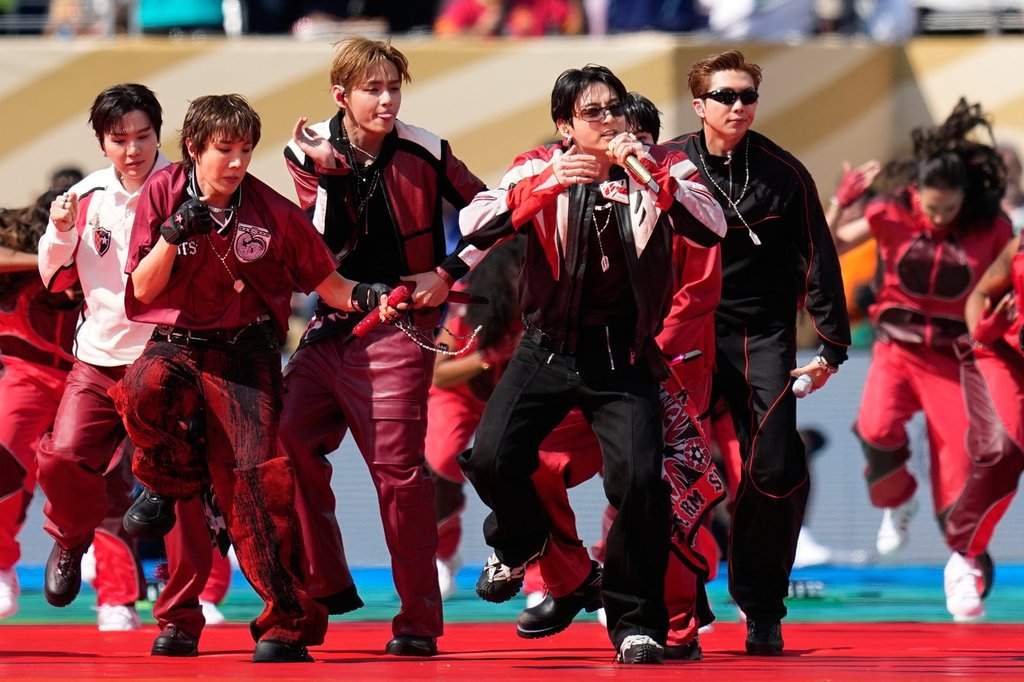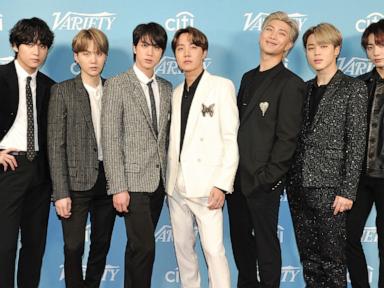
The Recording Academy thought they were offering a peace offering. Instead, they just triggered the biggest artist boycott the ceremony has seen in years.
All seven members of BTS posted the exact same message on Instagram. They aren't submitting their record-breaking reunion album Arirang for the 2027 Grammy Awards. No nominations. No performances. No participation.
If you look at the timing, the reason is obvious. Just a month before this announcement, the Grammys introduced a brand-new category called Best Asian Pop Music Performance. On paper, it sounds like inclusion. In reality, it looks a lot like musical segregation.
The Problem With Regional Checkboxes
The Academy claims this new category honors artistic excellence across K-pop, J-pop, and C-pop. There is a major catch, though. To qualify for this specific prize, songs must feature what the Academy calls "meaningful use" of an Asian language.
Meanwhile, BTS smashed records this year with tracks like "Swim," an English-language powerhouse that dominated global charts. Under the old rules, songs like that competed directly for top-tier general field awards like Song of the Year or Record of the Year.
Artists and fans quickly realized what this new category actually achieves. It creates a linguistic fence. Instead of forcing Western-dominated voting bodies to judge global pop on an equal playing field, it gives them a designated containment zone.
RM, Jin, Suga, J-Hope, Jimin, V, and Jungkook put it plainly in their joint statement. They want music to be heard and loved for what it is, rather than being divided by region or language.
Breaking Down the Industry Fallout
You have to look at the commercial reality here to understand why this stings for the Recording Academy. BTS didn't pull out because they aren't competitive. They pulled out because they are too big to be neatly filed away.
Their March release Arirang brought massive numbers, pulling in the biggest sales week for a group album in over a decade. They filled stadiums worldwide and headlined massive crossover events, proving their cultural footprint extends far beyond any niche genre label.
For years, the group chased a Grammy win. They earned five nominations in the past, performed dazzling stage routines, and played the Academy's game. They even dealt with grueling exhaustion behind the scenes to make those appearances happen.
And what did they have to show for it? Zero wins.
When an institution repeatedly shuts out a global phenomenon while simultaneously creating separate boxes for them, patience wears thin. HYBE, the group's agency, clarified that this isn't a company-wide blanket boycott for every single artist on their roster. It is a targeted, deliberate statement by the members themselves to protect the pride of their work.
What This Means for Award Shows Moving Forward
The Grammys have a long history of struggling with relevancy. Major Western acts like The Weeknd, Drake, and Frank Ocean have previously distanced themselves from the voting body over transparency and cultural blind spots.
Adding an Asian pop category felt like a desperate attempt to capture K-pop's massive voting and streaming demographic without actually letting them conquer the main categories. BTS called their bluff.
By walking away voluntarily, they strip the ceremony of the exact headlines the producers desperately craved. Millions of global fans tuned in previously just to see if BTS would finally take home gold. Now, the 2027 broadcast loses its biggest potential narrative.
Award shows survive on prestige. When the biggest acts in the world decide your trophy isn't worth the compromise to their identity, your prestige evaporates.
If you care about the future of global music, pay attention to how other international acts react in the coming weeks. The era of accepting a separate table just to get a seat in the room is officially over.