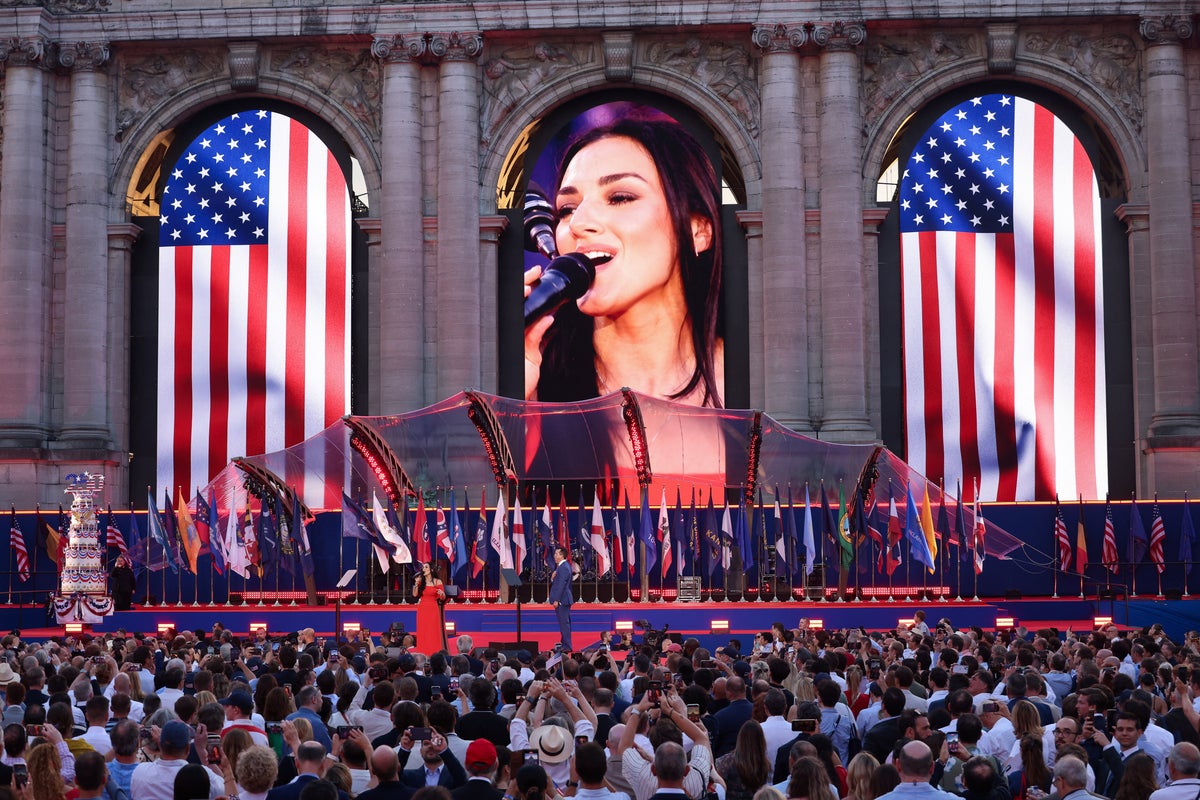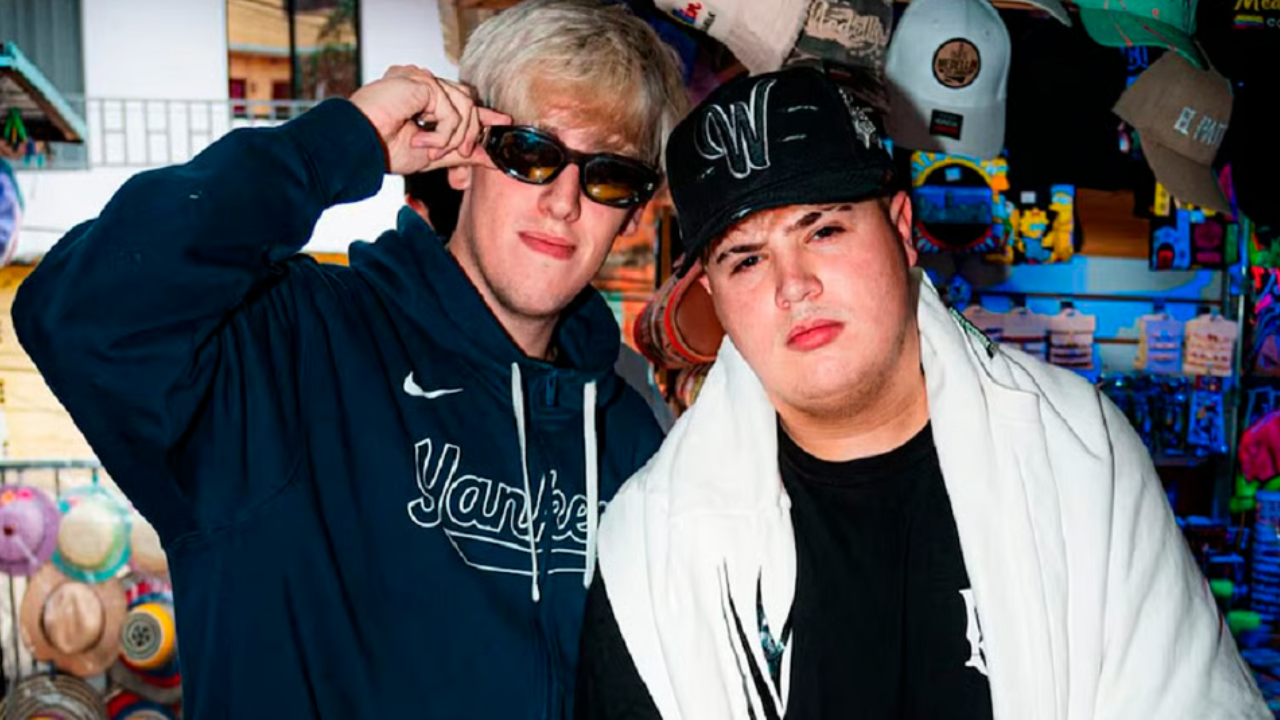
When a prominent artist dies suddenly, the machinery of the modern music business kicks into overdrive. The recent, sudden death of 32-year-old internet-pop provocateur Oliver Tree in a mid-air helicopter collision over Rio de Janeiro on June 14, 2026, sent shockwaves through the industry. Two weeks later, at Michigan's Electric Forest festival, Grammy winner T-Pain and NBA icon turned global electronic performer Shaquille O’Neal—performing as DJ Diesel—unveiled a massive, unreleased collaborative track they had been sitting on for two years.
While the crowd swayed to the heavy electronic-pop drop, the performance exposed a glaring, institutional problem that major record labels try desperately to hide. Thousands of finished, brilliant records are trapped in corporate purgatory, locked away by risk-averse executives until a tragedy artificially inflates their market value.
T-Pain did not mince words when addressing the festival crowd. He noted that he and Shaq stayed up until three in the morning to prepare the audio files and sync the visual tribute because life is simply too short to keep art hidden away. His raw frustration points to a systemic bottleneck. In an era dominated by instantaneous digital distribution, the actual gatekeeping of music has shifted from physical manufacturing limitations to complex, legal stalemates over intellectual property rights.
The Secret Vaults of the Music Industry
Every major recording artist has a vault. These archives contain complete albums, experimental demos, and cross-genre collaborations that the public never hears. The decision to keep a track unreleased rarely comes down to artistic quality. Instead, it is governed by corporate strategy, multi-party contract clearances, and mechanical royalty disputes.
When a track involves two massive artists signed to competing corporate umbrellas, the legal friction increases exponentially. Clearances require approvals from lawyers, publishing administrators, managers, and sample clearance agents. If one executive feels their artist isn't getting a large enough slice of the streaming revenue split, the master recording gets shelved indefinitely.
Tragedy cuts through this bureaucratic red tape with alarming speed. A sudden death changes the financial math entirely, shifting a track from a risky experimental release into a guaranteed viral monument. Streaming platforms experience an immediate, predictable surge in back-catalog consumption whenever an artist passes. This commercial reality creates an uncomfortable incentive structure where unreleased music becomes significantly more valuable to labels post-mortem than it ever was during the creator's lifetime.
How T-Pain and Shaq Bypassed the Corporate Border Patrol
What happened on the main stage at Electric Forest was a calculated act of institutional defiance. By premiering the raw audio track during a live festival set, T-Pain and Shaquille O’Neal utilized a loophole that bypasses the formal distribution networks controlled by major labels. Live performance venues operate under blanket public performance licenses, meaning artists can legally play unreleased material to an audience without triggering copyright takedowns or requiring upfront commercial distribution approvals.
The execution required massive logistical leverage. Shaquille O’Neal brings a level of cultural and financial independence that very few figures in the music industry possess. When an individual with the financial backing and global stature of O’Neal throws their weight behind a live premiere, corporate legal teams hesitate to issue immediate cease-and-desist orders. They stayed up in a makeshift production suite until the early hours of the morning, manually stitching together the audio stems and formatting the giant video screens to display private footage of Oliver Tree riding his trademark scooter.
This live workaround is becoming the preferred weapon for frustrated creators. When formal channels stall out in endless negotiation cycles, playing the music directly to the public forces the hands of corporate stakeholders. The immediate, massive demand generated by fan cell phone videos on social media creates a public relations environment where withholding the official release makes a record label look entirely out of touch.
The Messy Battleground of Posthumous Intellectual Property
The sudden availability of Oliver Tree's unreleased material highlights the incoming legal battle over his estate. Before his tragic death alongside Argentine producer Lucas Vignale and YouTuber Gaspi in Brazil, Tree had meticulously outlined his final wishes. His family recently confirmed that his will dictates the creation of a charitable foundation named after a satirical persona he championed during his life.
Fulfilling a deceased artist's final wishes through a corporate estate is a notoriously messy process. History shows that when massive amounts of streaming revenue enter the picture, artistic intent is often the first casualty. If a record label owns the master rights to a song, they are under no legal obligation to respect the wishes of the artist's family or the dictates of their personal will.
The industry remains plagued by examples of posthumous albums that were heavily altered, stitched together from half-finished voice notes, or paired with corporate-sponsored guest features that the original artist would have never approved. The collaborative track played at Electric Forest succeeded only because it was fully completed two years ago, preserved exactly as the artists intended before the corporate machinery could intervene.
The emotional crowd reaction in Michigan proves that listeners want authentic, unaltered art rather than heavily polished, posthumous products manufactured in a boardroom. T-Pain and Shaq laid bare the underlying tension of modern music creation. The real tragedy is that it took a catastrophic event in South America to finally liberate a piece of art that should have been shared with the world years ago.
Witness the exact moment the industry paradigm was bypassed by watching the live footage of the Electric Forest Unreleased Premiere, which captures the raw emotion of the crowd and the sheer scale of the tribute.