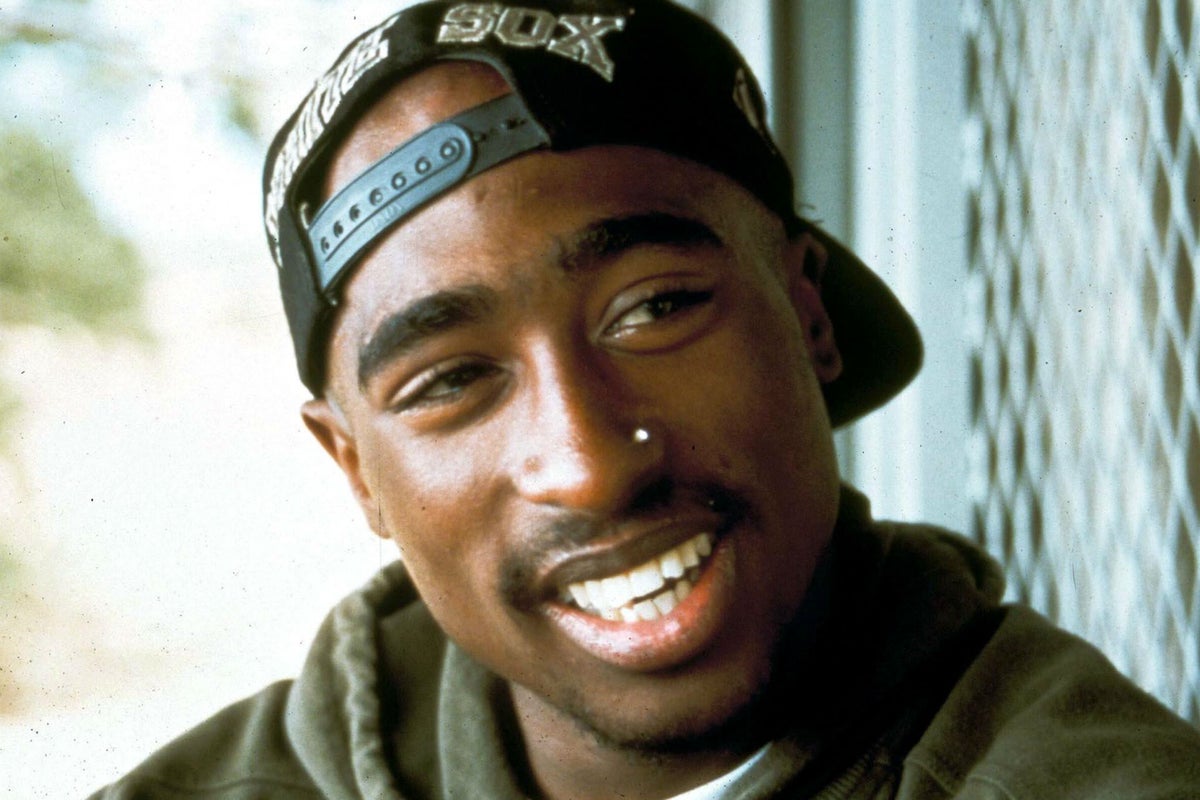
Nearly three decades after a white Cadillac pulled alongside a black BMW at a Las Vegas stoplight and changed the trajectory of modern music, the courtroom doors have finally opened. Duane “Keffe D” Davis sits as the lone defendant, accused of orchestrating the drive-by shooting that killed Tupac Shakur on September 7, 1996. Headlines across the globe focus on the core figures at the center of this monumental case: the victim, the shooter, the boss, the rival, and the driver. Yet reducing an intricate web of historical violence, systemic institutional failure, and street-level politics down to five names is an exercise in comforting reductionism. The public wants a neat narrative of crime and punishment. History offers only a jagged, blood-soaked mirror.
To understand why this trial is happening now, one must abandon the illusion that police work solved a cold case through brilliant detective grit. The state of Nevada did not crack this murder through forensic breakthroughs or reluctant informants breaking a code of silence. Davis charged into the spotlight himself. By penning a memoir and cashing in on media interviews where he confessed to being the shot caller who supplied the weapon, Davis essentially dared prosecutors to ignore him. When an aging gang leader trades operational secrets for book royalties and documentary appearances, the law eventually takes notice.
The Anatomy of a Street Retaliation
The mechanics of the September night in Las Vegas are well-documented, but the underlying motivations require a cold look at how street power operated in the mid-1990s. Hours before the fatal shooting, an altercation unfolded inside the MGM Grand casino. Tupac Shakur and members of his Death Row Records entourage confronted Orlando “Baby Lane” Anderson, a young member of the South Side Compton Crips and the nephew of Duane Davis.
In the hyper-masculine, fiercely territorial ecosystem of gangsta rap and actual street turf, letting a physical assault on family slide was an existential threat to authority. Davis perceived an unbearable loss of face. The response was not a calculated corporate hit, but a frantic, impulsive act of gangland retaliation fueled by rage, pride, and proximity. The white Cadillac was tracked down, the weapon was passed from the front passenger seat to the back, and history fractured.
Yet focusing solely on the physical occupants of that vehicle ignores the broader systemic architecture that allowed the violence to metastasize.
The Myth of the Five Men
Mainstream retrospectives love to package the tragedy into a tidy quintet of archetypes.
- Tupac Shakur, the generational talent whose volatility often matched his brilliance.
- Duane “Keffe D” Davis, the aging orchestrator now facing a late-life reckoning.
- Orlando Anderson, the alleged trigger-man who denied involvement before dying in an unrelated 1998 shooting.
- Marion “Suge” Knight, the imposing Death Row Records chief who survived the hail of bullets only to eventually land behind bars for an entirely separate homicide.
- The institutional void, representing the staggering police apathy of 1996.
That fifth pillar is where the real journalistic indictment lies. For decades, the Las Vegas Metropolitan Police Department treated the murder of a Black cultural icon with systemic indifference. Witnesses were barely interviewed. Evidence was left uncollected. Detectives operated under the lazy assumption that gang violence in the rap industry was a self-cleaning oven. If Davis had kept his mouth shut, the state would have happily let the file gather dust forever.
The Complications of Modern Prosecution
As the trial unfolds, the prosecution faces an uphill battle built on shaky foundations. Courts rely on physical evidence, ballistic matches, and pristine eyewitness testimony. This trial relies heavily on words spoken decades after the fact, memoirs written for financial gain, and promotional clips from true-crime documentaries.
Defense attorneys have legitimate ground to question the veracity of a narrative constructed by a man known to exaggerate his criminal exploits for street clout and cash. When a case depends on the boastful recollections of a confessed criminal looking to monetize his past, truth becomes a flexible commodity. If the jury acquits, or if reasonable doubt fractures the state's timeline, public outrage will follow. People will blame the judicial system, failing to recognize that the system is simply struggling to clean up a mess that law enforcement ignored thirty years ago.
True justice for a murder like this was lost in the autumn of 1996, buried under layers of institutional neglect, sensationalism, and a culture that valued street mythology over human life. What remains today is not closure, but a late-stage spectacle.
The gavel falls in a Nevada courtroom, but the echoes of Compton and the Las Vegas Strip refuse to quiet down.
Las Vegas jury finds Tupac murder suspect 'Keffe D' guilty in jail fight
This video provides additional context regarding the legal hurdles and collateral charges surrounding the central defendant in the ongoing murder proceedings.
http://googleusercontent.com/youtube_content/1