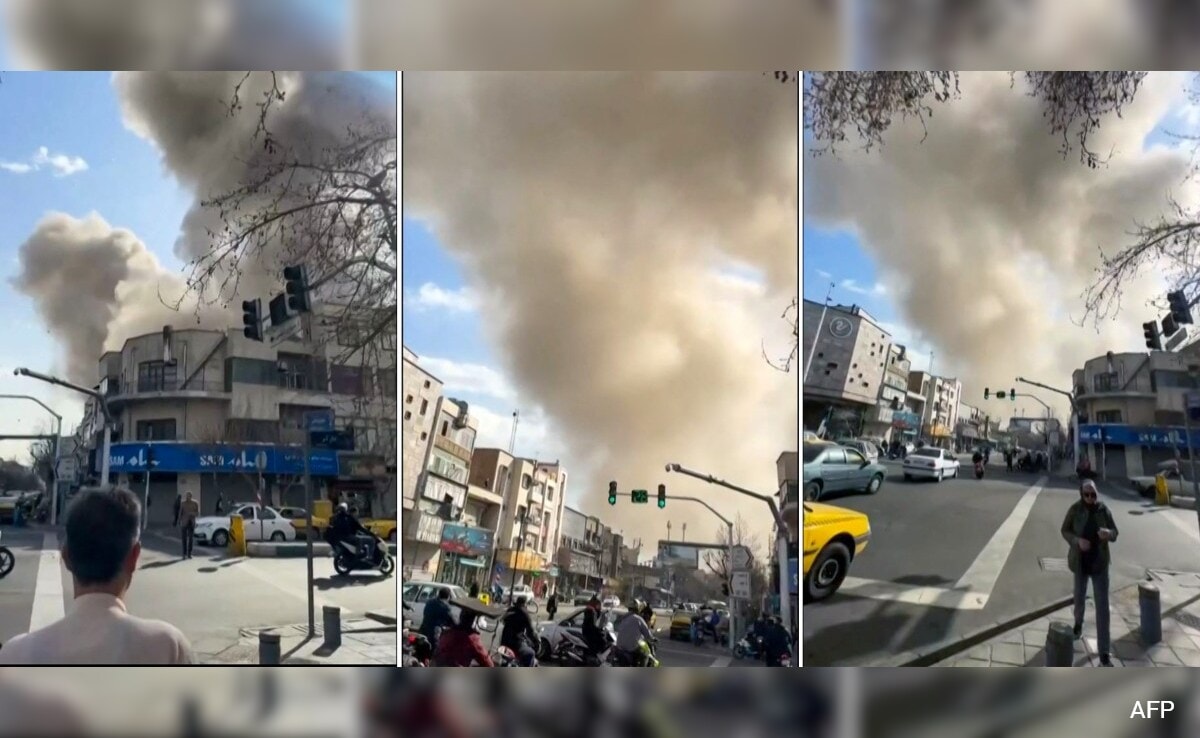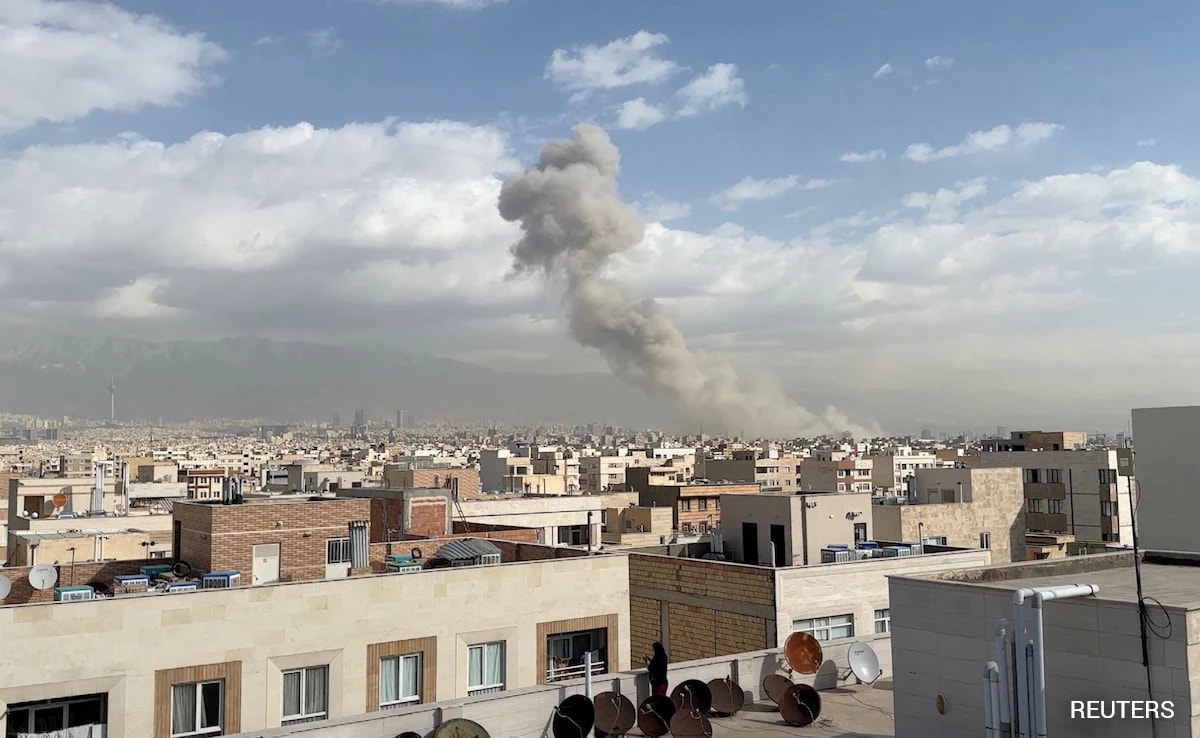
The joint United States and Israeli offensive against the Iranian regime represents the most significant escalation in the Middle East in half a century. Launched on February 28, 2026, the military operation, designated as Operation Roaring Lion, seeks to dismantle the ballistic missile program, nuclear facilities, and command structures of Tehran. Prime Minister Benjamin Netanyahu has explicitly framed the campaign as an existential necessity, arguing that allowing Iran to consolidate its nuclear and missile capabilities would render Israel vulnerable to irreparable harm.
This assessment ignores the high probability of a prolonged, unstable regional conflict. While the strikes aim for total degradation, the history of aerial campaigns against entrenched, ideological regimes suggests that destruction rarely yields political stability or eliminates the underlying desire for regional hegemony.
The Strategy of Preemption
For decades, Israel maintained a doctrine of deterrence, coupled with tactical strikes designed to keep Iran's proxies at bay. The shift to a policy of proactive preemption signals a fundamental collapse of that old order. Following the June 2025 conflict, Israeli security planners concluded that waiting for Iranian capabilities to reach an irreversible threshold was a strategic liability.
The current military approach focuses on three core pillars:
- Decapitation: Targeting the upper echelons of the Islamic Revolutionary Guard Corps and key government nodes to fracture the regime's control.
- Infrastructure Destruction: Utilizing advanced ordnance to neutralize nuclear enrichment sites like Fordow and Natanz, alongside missile production facilities.
- Mobilization: Encouraging internal dissent among the Iranian populace, with the hope that intense external pressure will create enough friction to trigger a shift in governance.
However, relying on aerial power to force regime change is a high-risk gamble. It assumes that the Iranian state is a brittle structure waiting for a push to collapse, rather than a deep-rooted, adaptive system.
The Cost of Calculated Risk
The immediate aftermath of the operation provides a grim look at the operational reality. Iranian forces have responded with ballistic missile salvos targeting not just Israel, but American bases and allied interests across the Persian Gulf, including Kuwait, Qatar, and the United Arab Emirates.
Economic Implications
The volatility in the region has sent shockwaves through the global energy sector. With threats to the Strait of Hormuz, one of the world's most critical maritime energy corridors, oil prices have spiked. If vessel traffic through the strait remains suspended or restricted, the impact on global inflation will be severe and immediate. Energy markets operate on the assumption of supply predictability; they do not handle sustained regional warfare well.
The Human Toll
Beyond the strategic calculus, the human cost is mounting. Reports confirm the tragic loss of civilian life, including fatalities at a school in southern Iran. These events often serve to consolidate support for regimes under fire, as nationalism tends to override internal grievances when a country faces external bombardment.
The Nuclear Paradox
The core objective of this campaign is to prevent a nuclear Iran. Netanyahu and the current administration in Washington hold that the diplomatic window has permanently shut. They argue that any deal would only provide the regime with the time to rebuild.
Yet, there is a dangerous counter-argument gaining traction among defense analysts. By attempting to crush Iran’s nuclear program through force, the coalition may inadvertently convince the regime that a nuclear deterrent is the only way to ensure its survival. If the leadership in Tehran perceives that their existence depends on an atomic shield, their pursuit of it will likely move deeper underground, becoming more determined and less visible to international monitors.
History shows that once the genie of nuclear technology is out, it is nearly impossible to force back in through bombing campaigns alone. The expertise remains. The technical knowledge persists.
Domestic Politics and Military Objectives
It is impossible to view these developments without acknowledging the domestic climate in both participating nations. In Israel, the 2026 election year casts a long shadow over military decision-making. Netanyahu’s focus on the Iranian threat remains a primary pillar of his political identity. Similarly, the administration in Washington is navigating the political fallout of a major intervention that has already seen American casualties.
When military force is used to resolve deep-seated regional animosities, the transition from tactical success to strategic victory is rarely clean. The current reliance on kinetic intervention assumes that the damage inflicted can be controlled and contained. But the theater of conflict has already expanded to include multiple nations and vital energy routes.
We are seeing a move away from the traditional, limited strikes of the past and into a broader, more unpredictable state of war. The promise that this operation will create the conditions for a stable, new Middle East remains unproven. What is observable right now is a region bracing for the consequences of a decision that has effectively ended the era of containment.
The military campaign is moving forward. The long-term trajectory of the region remains, for the first time in years, entirely unscripted.