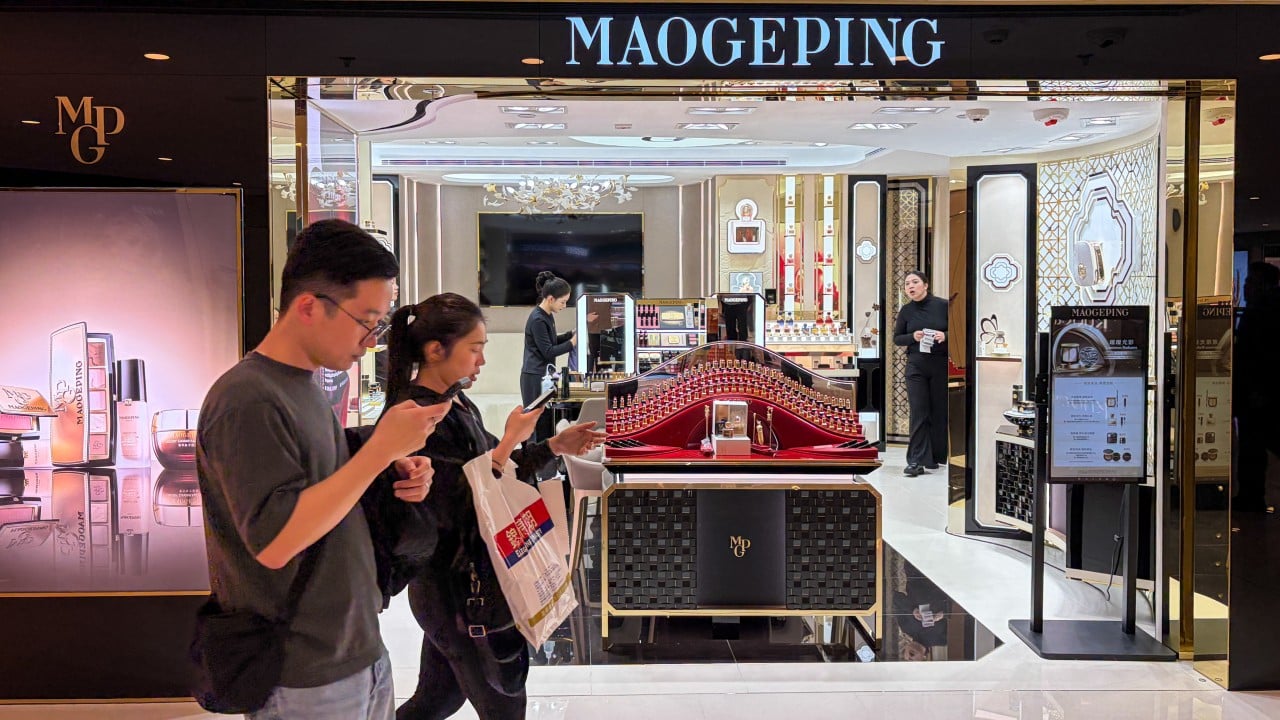
Mainland Chinese brands are expanding rapidly into Hong Kong, accounting for over 20 percent of all new retail entrants in early 2026. This influx is transforming the local retail sector, as fashion, beauty, and lifestyle labels move into prime shopping districts once dominated by Western luxury houses. However, this is not a story of a traditional economic recovery. It is a structural shift driven by intense domestic competition inside mainland China, forcing companies to seek new markets. While local landlords welcome these new tenants to fill vacant storefronts, the arrival of these brands creates a challenging environment for homegrown Hong Kong retailers who must now compete against highly sophisticated, data-driven operators.
The Illusion of a Traditional Recovery
For decades, the health of Hong Kong retail was measured by a simple metric: the spending power of mainland tourists buying European luxury goods in Causeway Bay and Tsim Sha Tsui. That era has ended. The current wave of retail activity features mainland Chinese corporations signing leases, setting up flagship stores, and targeting local consumers along with a shifting demographic of travelers. Recently making news recently: The Anatomy of Mitumba: Why Structural Trade Restrictions Fail in East African Apparel Markets.
Data from real estate services firm JLL indicates that mainland brands made up roughly 30 percent of new retail entrants in 2025, maintaining a strong presence into the first four months of 2026. The nature of these businesses is also changing. In 2025, food and beverage operators comprised 73 percent of new mainland entrants, flooding the market with lemon tea chains and regional hotpot brands. By the first quarter of 2026, that composition altered significantly, with F&B dropping to just 25 percent of new mainland arrivals. The remaining space is being occupied by fashion, cosmetics, fragrance, and jewelry brands.
This expansion is happening because the mainland market is experiencing intense deflationary pressure and severe overcapacity. When a bubble tea chain or a fast-fashion brand faces thousands of local competitors at home, survival depends on geographic diversification. Hong Kong operates as the first international step. The city offers a familiar regulatory environment, close proximity to supply chains, and a gateway to global markets, making it a logical testing ground for brands looking to expand overseas. Additional insights into this topic are covered by CNBC.
The Structural Shift in Prime Retail Real Estate
The retail real estate market in Hong Kong is undergoing a major realignment. High-street rents, while stabilizing slightly after a prolonged downturn, remain far below their historic peaks. This valuation gap allows mid-tier mainland apparel and beauty brands to secure prominent retail spaces that were historically unaffordable for them.
| Retail Metric | Historical Trend (Pre-2020) | Current Market Reality (2026) |
|---|---|---|
| Dominant Tenant Profile | European Luxury Houses, Global Fast Fashion | Mainland Chinese Lifestyle, F&B, Domestic Beauty |
| Primary Driver of Growth | High-Margin Luxury Sales to Tourists | High-Volume, Data-Driven Retail for Locals & Visitors |
| Lease Dynamics | Long-Term Premium Rents | Flexible, Value-Driven Landlord Concessions |
Landlords who previously held out for international luxury conglomerates are adjusting to the new reality. Filling a multi-story retail space in Central or Mong Kok now requires working with expanding mainland brands. This change helps reduce commercial vacancy rates, but it alters the character of Hong Kong shopping districts. The traditional mix of legacy international brands is being replaced by mainland companies that focus on rapid product cycles and competitive pricing.
Moving Beyond Price Competition
The common assumption that mainland brands succeed purely on low prices is no longer accurate. The current wave of expansion involves companies focusing heavily on design, product quality, and brand presentation to appeal to a more demanding consumer base.
In categories like skincare, specialized fragrances, and apparel, these businesses are opening well-designed flagship stores that compete directly with established Western brands. They are leveraging highly efficient supply chains to bring new products to market within weeks, rather than the months required by traditional retail models.
This operational speed is supported by advanced digital infrastructure. Mainland retailers utilize data analytics to track consumer preferences, manage inventory in real time, and optimize supply chains. This level of digitalization allows them to adapt quickly to shifting demand, presenting a major challenge to local Hong Kong retailers who often still rely on traditional, less integrated inventory and marketing practices.
The Challenge for Local Retailers
The rapid arrival of these well-funded competitors places significant pressure on independent Hong Kong businesses. Local retailers face higher operating costs, including labor and rent, without the benefit of the massive economies of scale enjoyed by large mainland corporations.
Furthermore, major e-commerce platforms have integrated Hong Kong into their free-shipping zones, increasing competition for physical stores. Local businesses can no longer rely purely on geographic convenience or traditional customer loyalty. To compete effectively, Hong Kong retailers must upgrade their digital operations, improve their data collection, and create distinct customer experiences that cannot be easily replicated by high-volume competitors.
The presence of mainland brands is reshaping Hong Kong retail into a highly competitive, fast-moving market. While this brings new activity to commercial districts, it demands that local businesses adapt quickly to survive. The retail sector is not simply returning to its old form; it is being entirely rebuilt.