Australia is confronting an escalating crisis on its coastlines following two fatal shark attacks within eight days, exposing deep fissures between marine conservation policies and human safety. On May 24, 2026, a 39-year-old spearfisher died from severe head injuries after an ambush by a suspected bull shark at Kennedy Shoal, a reef off the Queensland coast. Just over a week earlier, on May 16, 38-year-old Steven Mattaboni was killed by a massive great white shark while diving off Rottnest Island in Western Australia. These back-to-back tragedies are not isolated anomalies; they represent a terrifying shift in the marine dynamic that standard news reports routinely misdiagnose.
The immediate public reaction follows a predictable script of shock, beach closures, and demands for culls. Mainstream reporting frames these events as sudden, unpredictable acts of nature. This perspective ignores the systemic ecological and regulatory changes that have turned Australian fishing and diving spots into high-risk zones.
The Commercial Fishing Backlash
For decades, the standard narrative from marine biologists has focused on human encroachment into wild habitats. While true, this explanation ignores a more immediate catalyst. Commercial fishers operating along the Great Barrier Reef report a stark escalation in predator aggression, pointing directly to legislative protections for large apex predators.
Gererd Pike, a commercial fishing operator working near Kennedy Shoal at the time of the Queensland attack, warned that the underwater environment has fundamentally shifted. Restrictions designed to preserve large shark populations have inadvertently created overpopulated hunting grounds. Fishers frequently watch their catch stripped from their lines before it reaches the surface.
"We had at least six sharks tearing into a mackerel at one point," Pike stated, noting a clear rise in numbers and aggression over his two decades on the water. "They're constantly active on the reef and some days it's beyond the point of fishing."
This reality complicates the traditional conservationist view. When sharks lose their fear of boats and actively associate human activity with an easy meal, the risk profile changes for everyone in the water. Spearfishes, who carry bleeding fish close to their bodies, are walking targets in this altered ecosystem.
Spearfishing and the Blood Trail Dilemma
The fact that both recent victims were spearfishing is the critical common denominator. Spearfishing is a highly sensory, primitive form of harvesting that produces low-frequency acoustic vibrations and acoustic distress signals from struggling fish. It drops a continuous chemical trail of blood and oil directly into the water column.
Sharks possess an extraordinary olfactory capability, detecting blood at concentrations of one part per million. They also use their ampullae of Lorenzini to track the minute electromagnetic fields of a dying fish. When a diver spears a target, they essentially ignite an underwater beacon for every apex predator within miles.
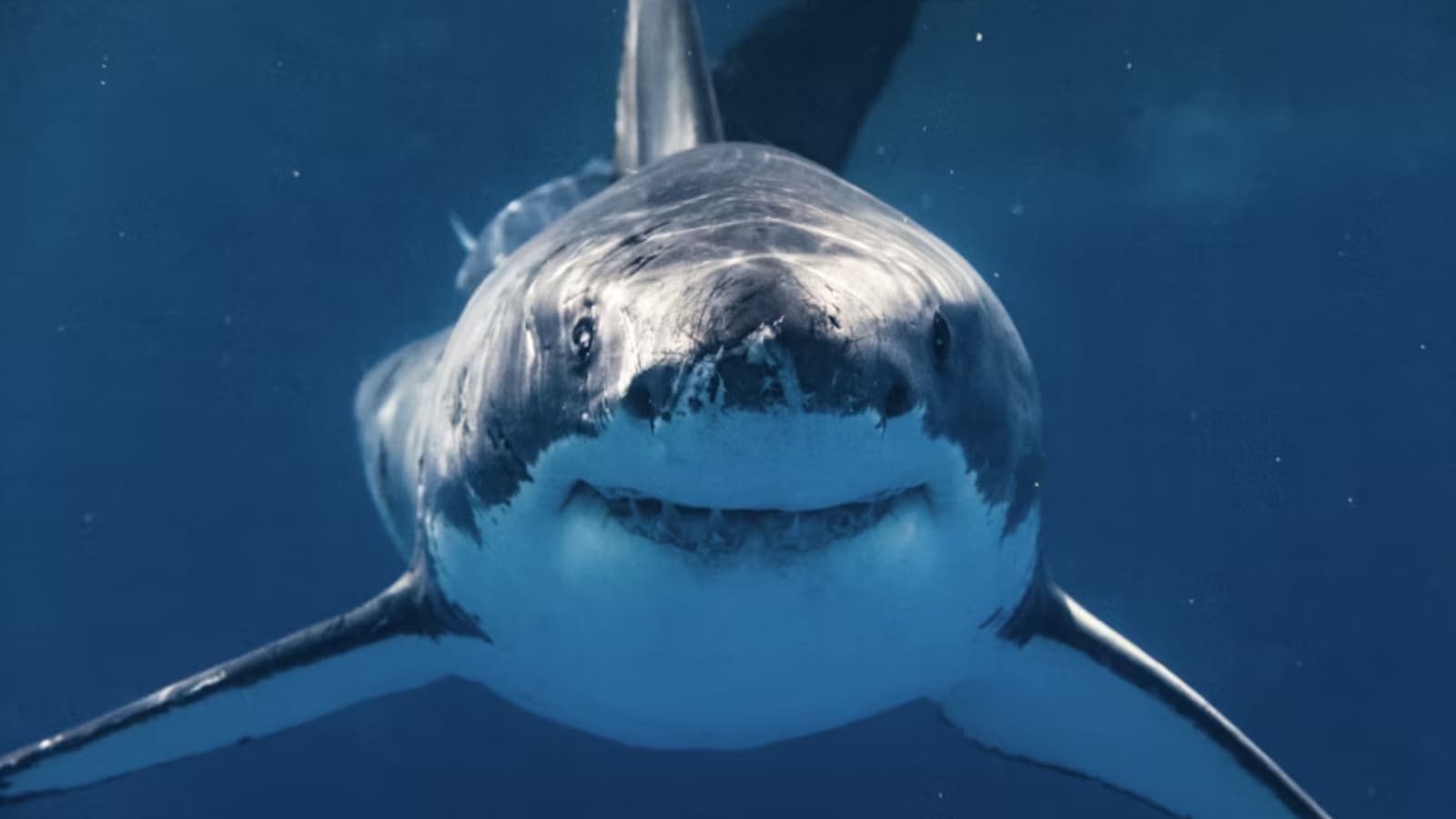
In the Western Australia incident, Steven Mattaboni was targeted by a suspected five-meter great white shark. At that size, a great white is a specialized mammalian hunter, tuned to high-energy prey. Kennedy Shoal, by contrast, is notorious for bull sharks, a species uniquely comfortable in shallow reef systems and known for highly territorial, aggressive bite profiles.
The Geographic Shift in Risk
Historically, shark fatalities in Australia skewed heavily toward the temperate southern and southeastern coastlines, where great whites shadow seal colonies. The data from 2025 and early 2026 reveals a much broader geographic spread.
| Date | Location | Activity | Suspected Species | Outcome |
|---|---|---|---|---|
| May 24, 2026 | Kennedy Shoal, QLD | Spearfishing | Bull Shark | Fatal |
| May 16, 2026 | Rottnest Island, WA | Spearfishing | Great White | Fatal |
| January 18, 2026 | Vaucluse, Sydney, NSW | Swimming | Bull Shark | Fatal |
| November 2025 | Kylies Beach, NSW | Swimming | Bull Shark | Fatal |
| September 2025 | Long Reef, Sydney, NSW | Surfing | Great White | Fatal |
This multi-state distribution challenges the idea that local seasonal migrations are solely responsible for encounters. Queensland shark expert Daryl McPhee pointed out that offshore fatal bites between Townsville and Cairns have been historically rare, with the last comparable incident occurring in 1990. Six fatal bites in Queensland since 2020 point to a clear break from historical patterns.
The warming of coastal waters due to shifting currents is pushing baitfish, and the predators that hunt them, into new territories. Port Jackson and Sydney Harbour have seen influxes of bull sharks further into estuarine waters, evidenced by the tragic death of young Nico Antic in January 2026. Simultaneously, northern reefs are seeing increased year-round shark activity rather than seasonal spikes.
The Failure of Traditional Mitigation
The policy response to these events remains stuck in a bureaucratic loop. Australia relies heavily on a combination of shark nets, drumlines, and aerial drone surveillance. While these measures offer a psychological sense of security for tourists on packed metropolitan beaches, they are useless in the offshore environments where divers and fishers actually operate.
Shark nets do not create an impenetrable barrier. They are suspended segments of mesh designed to catch sharks moving through an area, but they frequently trap animals on the beachside of the net, while catching non-target species like turtles and dolphins. Offshore reefs like Kennedy Shoal, situated miles from the mainland, cannot be netted or effectively monitored by shore-based drone squads.
The deployment of SMART (Shark Management Alert in Real Time) drumlines has shown promise in catching, tagging, and relocating sharks near swimming beaches. This strategy falls short when dealing with wide-ranging pelagic hunters or highly localized reef populations that view a specific dive site as their primary feeding territory.
Balancing Conservation and Public Safety
The debate over how to handle rising shark numbers is deeply polarized. On one side, environmental advocates argue that sharks are vital for maintaining the health of reef ecosystems, preventing mid-level predators from overpopulating and decimating herbivorous fish populations. They maintain that entering the ocean comes with an inherent, accepted risk.
On the other side, coastal communities, commercial fishers, and dive operators argue that human life is being deprioritized. The total protection of certain species has allowed populations to rebound to a point where the natural balance has tipped, making certain waters unusable for recreation or industry.
The current strategy of closing beaches for 24 hours after an attack is a temporary band-aid on a structural problem. It does nothing to address the reality of a changing marine ecosystem where apex predators are becoming more abundant, more aggressive, and increasingly desensitized to human presence.
Divers and fishers cannot rely on government policy to keep them safe in the water. Divers must adapt their behavior by using electronic deterrents, abandoning traditional stringers for keeping caught fish on their person, and recognizing that certain historical diving spots have transitioned into active hunting grounds. The ocean is changing rapidly, and failing to acknowledge that reality will only guarantee more grim headlines from the Australian coast.