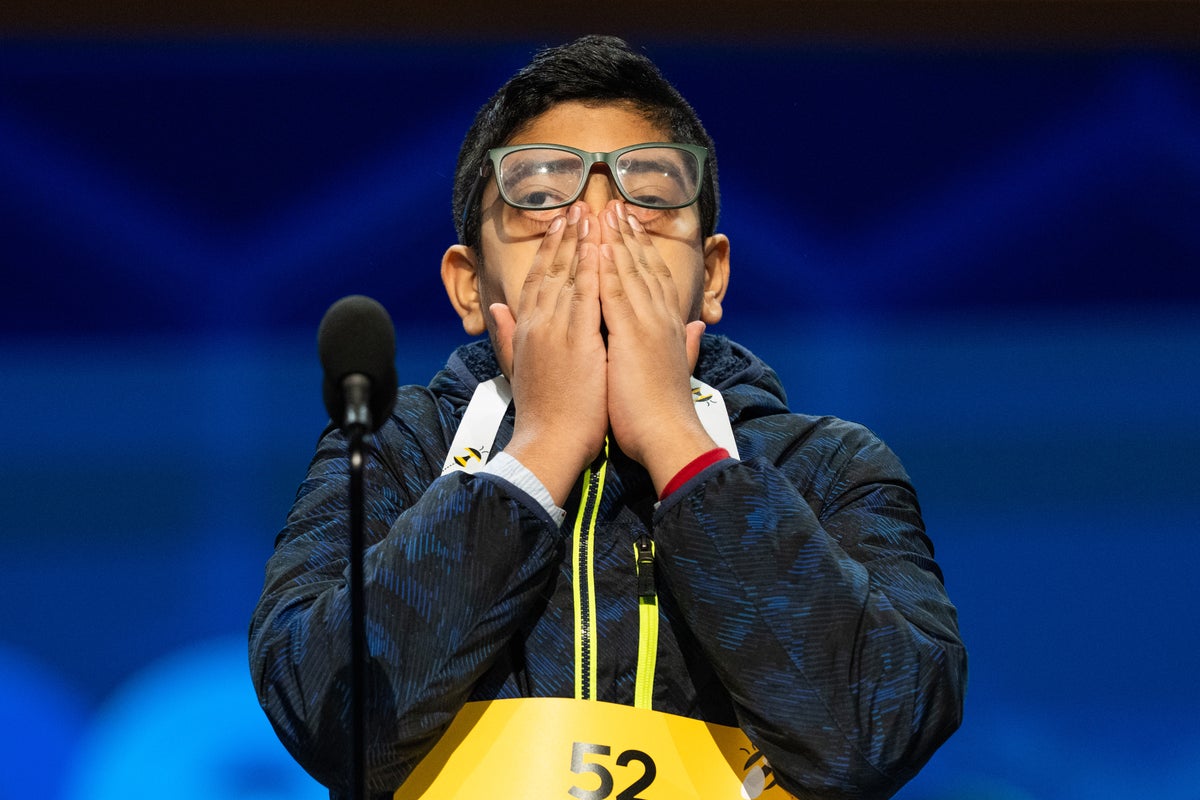
Spelling is not a hobby. If you think the Scripps National Spelling Bee is just a bunch of kids memorizing words in their spare time, you are dead wrong. It is a grueling, high-stakes endurance sport.
Every spring, millions of students start the journey, but only a fraction make it to the national stage in National Harbor, Maryland. The winner does not just have a good memory. They have an elite training regimen that rivals Olympic-level preparation. We are talking about 14-year-old competitors who log up to eight hours of intense study a day, mechanical repetition, and psychological conditioning. They endure extreme pressure under flashing television lights and a ticking clock.
To survive the final rounds, you need more than a dictionary. You need a systematic, data-driven strategy.
Inside the Mind of an Elite Spelling Athlete
Most people assume spelling bees are about rote memorization. They think kids just read the dictionary from A to Z. That is a myth, and honestly, it is the fastest way to lose.
Elite spellers treat language like a code. They break words down into roots, prefixes, suffixes, and language of origin. The English language is a chaotic mix of Latin, Greek, French, German, and obscure dialects. When a 14-year-old stands at the microphone and hears a word they have never seen before, they do not panic. They analyze.
Take a word like psammophile (an organism that prefers sandy soils). An untrained speller gets tripped up by the silent 'p' or the double 'm'. A trained competitor hears the Greek root psammo- (meaning sand) and the root -phile (meaning lover). They piece it together in real-time. It is algorithmic thinking executed under immense stress.
This level of analysis requires a staggering vocabulary database. Serious contenders use specialized software like WordBeast or custom Anki flashcard decks containing upwards of 100,000 words. They track their retention rates, drill their weak spots, and analyze etymological patterns for hours on end.
The Olympic Schedule of a 14 Year Old Contender
How do you fit a full-time academic schedule around an elite training program? You sacrifice your social life.
The daily routine of a top-tier spelling competitor is calculated down to the minute. It requires intense discipline. A typical day for a national finalist looks surprisingly intense:
- 6:30 AM: Wake up and review 200 high-frequency Greek and Latin roots.
- 8:00 AM – 3:00 PM: Regular school hours. Spellers often use breaks or lunch periods to quietly flip through digital flashcards.
- 3:30 PM: The first major study block. Focus on a specific linguistic category, like words derived from Hindi or Dutch.
- 5:30 PM: Dinner and a mental break.
- 6:30 PM: Mock bee simulation. A parent or coach acts as the pronouncer, reading words rapidly while the speller stands, simulates the stage environment, and spells aloud under a 45-second timer.
- 8:30 PM: Error analysis. Review every misspelled word from the day, log the root cause of the mistake, and add it to a priority review deck.
- 10:00 PM: Lights out. Sleep is mandatory for memory consolidation.
This schedule is not temporary. It is a year-round commitment that escalates as the national finals approach in May. The physical toll is real. Sitting at a desk for hours causes back strain, eye fatigue from screens and books is common, and the mental exhaustion can lead to severe burnout if not managed properly.
Why Technical Coaching Has Changed the Game
You cannot win the modern spelling bee alone anymore. The competition has grown too fierce.
Just like an Olympic sprinter needs a track coach, a modern speller needs a specialized spelling coach. Many of these coaches are former champions themselves. High-profile coaches like Cole Shafer-Ray or Grace Walters charge premium rates to guide families through the labyrinth of preparation.
Coaches do not just hand out word lists. They build custom software tools. They analyze the speech patterns of Jacques Bailly, the official pronouncer of the Scripps National Spelling Bee. They look for subtle linguistic clues in how he pronounces schwas or short vowels.
Furthermore, coaches act as sports psychologists. When a kid mispells a word on national television, the emotional crash can be devastating. Learning how to breathe, how to slow down your heart rate, and how to recover from a near-miss in an earlier round is just as crucial as knowing how to spell marocain.
The Hidden Costs of Competitive Spelling
Let's talk about the element nobody likes to discuss: money.
Competitive spelling has become an expensive endeavor. The days of winning a local bee just by reading the school-provided pamphlet are gone. To compete at the highest level, families spend thousands of dollars annually.
Subscription costs for advanced word databases run hundreds of dollars a year. Private coaching can easily cost $50 to $100 per hour, totaling thousands over a single tournament cycle. Then you have travel expenses, hotel stays for regional qualifiers, and registration fees. It creates a massive disparity. Kids with access to financial resources and dedicated coaches have an undeniable statistical advantage over those studying alone in rural library basements.
The pressure on the children is immense. When your parents are investing significant money and countless hours into your training, the urge to perform can become overwhelming. The line between healthy ambition and toxic pressure is incredibly thin.
How to Build Your Own Linguistic Training Program
If you want to train your brain to process information with the speed and accuracy of a national speller, you have to change your study habits. You don't need to aim for Scripps to benefit from these tactics.
Start by ditching passive reading. High-retention learning requires active recall. Use spaced repetition software like Anki to force your brain to retrieve difficult information just as it is about to forget it. This builds stronger neural pathways.
Next, focus on structural rules instead of individual data points. Don't memorize 50 different French words ending in a "sh" sound. Instead, learn the rule that French words originating from specific eras spell that sound with a "ch" (like chiffon or cliché). Understanding the underlying system always beats memorizing isolated facts.
Finally, practice under pressure. Set a timer. Have someone watch you. Speak your answers out loud. The moment you remove your comfort zone, you reveal the true limits of your knowledge. Fix those gaps immediately. Turn your weaknesses into a precise roadmap for your next study session. That is how champions are made. That is how you win.