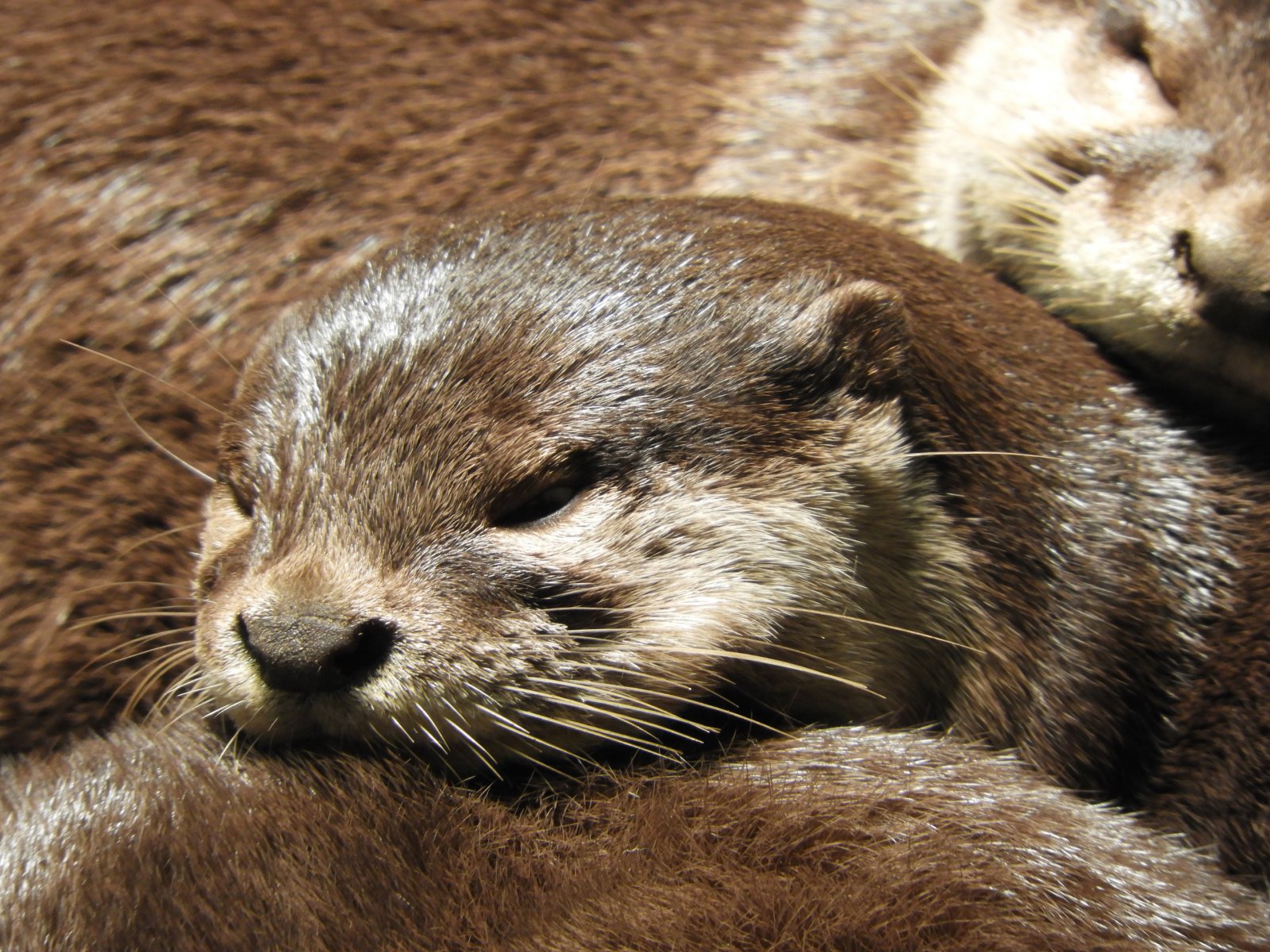
The arrival of a North American river otter in the Bronx is not a charming local curiosity. It is a biological audit of our urban infrastructure. While social media feeds light up with grainy footage of the creature splashing in city waterways, the actual significance of its presence has been almost entirely missed by those viewing it through a lens of whimsy. This animal is an apex predator. Its return to one of the most densely developed environments on the planet is not a sign that our work is done; it is a signal that our urban water systems have reached a precarious tipping point of recovery that demands immediate, cold-eyed management.
River otters are hyper-sensitive to their surroundings. They function as the aquatic equivalent of the canary in the coal mine. Because they sit at the top of the food chain, they accumulate everything that exists in the water column below them—from heavy metals like mercury and lead to synthetic compounds like PCBs. If an otter can survive in the Bronx, the water quality has technically met a baseline standard of fishability. However, the presence of a lone, transient animal is vastly different from a breeding population. The latter requires a stable, expansive riparian corridor that the concrete-choked Bronx barely provides.
We often treat these sightings as a validation of environmental policy, pointing to the Clean Water Act as the singular force behind the recovery. This is a dangerous simplification. The return of the otter is less a triumph of regulation and more a testament to the sheer, stubborn tenacity of nature when it is granted even the smallest margin of error. In cities like Chicago and Washington D.C., the return of the species followed decades of grueling, expensive remediation of industrial legacy waste. The Bronx remains an outlier. It is a fragmented, hyper-developed geography where the risk of mortality from motor vehicles and direct human interference remains statistically higher than in any other habitat in the state.
Consider the reality of an urban otter's existence. It is not playing for the cameras. It is navigating a gauntlet. Every time the animal emerges from the water to move between fragmented ponds or streams, it exposes itself to road traffic, domestic animals, and the constant, high-frequency stress of human density. A single otter might find enough prey—crayfish, small fish, amphibians—to survive a winter. But a sustainable population needs safe travel corridors. Without these, the Bronx otter is merely a biological visitor, destined to either leave or perish as it attempts to find a mate in a habitat that is essentially a series of isolated islands.
The obsession with the "cuteness" of the Bronx otter distracts from the uncomfortable truth about our water. Bio-magnification does not stop because we find an animal adorable. The same pollutants that can damage the otter's endocrine and nervous systems remain a latent threat to the human populations living alongside these same waterways. When we ignore the systemic needs of these animals—cleaner sediment, protected nesting sites, and buffers against industrial runoff—we are ignoring the fundamental health of the water infrastructure upon which our own urban life depends.
True environmental literacy in a city like New York requires us to move past the superficial thrill of the sighting. If we want these animals to be more than just a fleeting news item, we must stop viewing them as visitors and start viewing them as stakeholders. This means enforcing stricter non-point source pollution controls, such as limiting the pesticides and fertilizers that wash into the watershed every time it rains. It means reclaiming buffer zones along the shoreline that are currently surrendered to development.
The otter has made its choice. It has moved into a high-risk, high-reward environment. Now, the city must decide whether it will act as a responsible host or continue to treat the return of native species as a random, inconsequential accident. We are watching a rare, real-time stress test of urban ecology. The creature is doing its job by indicating the health of the water; we are currently failing ours by failing to provide the stability it requires to thrive. If we continue to prioritize optics over actual landscape connectivity, the Bronx otter will remain what it is today: a solitary, doomed pioneer.
Nature is sending us a bill for the last century of neglect, and it is currently being paid in fur and bone. Ignoring the implications of this sighting won't make the water cleaner or the city safer. It only ensures that when the next apex species attempts to recolonize our concrete sprawl, it will find exactly the same inhospitable, fractured ruins as its predecessor. The clock is ticking on whether we choose to build an infrastructure that can support life or continue to preside over one that merely tolerates its brief, tragic arrival.