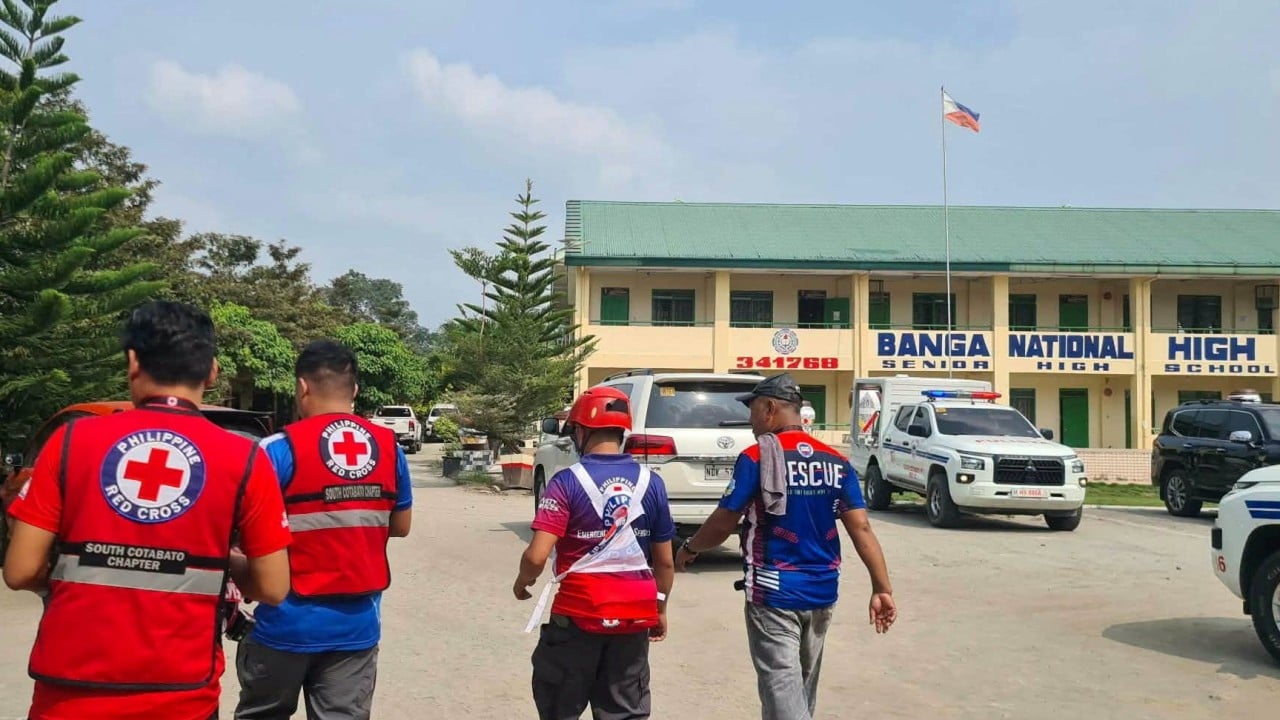
A school campus is supposed to represent a sanctuary of learning, order, and collective future. That illusion shattered violently when a series of campus shootings shook the Philippines, including the tragedy at San Jose National High School in Tacloban and subsequent violence in South Cotabato. Three lives were extinguished in the Tacloban incident alone, leaving families grieving and a nation searching for answers in a society where such violence remains rare but profoundly jarring.
When headlines announce that three students died in a Philippine school shooting, including the gunman, the immediate societal reaction follows a predictable script of shock, finger-pointing, and fleeting calls for reform. Yet the deeper reality requires looking past the initial panic. The tragedy exposes systemic vulnerabilities in firearm regulation enforcement, the insidious reach of digital extremist subcultures, and the structural loopholes in juvenile justice protections.
Security protocols across public institutions in the archipelago often exist on paper rather than in practice. Consider the logistics of a typical government-funded high school. Thousands of teenagers pass through single gates guarded by lone security personnel who lack metal detectors, proper training, or institutional backing to conduct systematic checks. Expecting a single guard to intercept a premeditated attack among fifteen hundred adolescents is an administrative fantasy.
The origin of the weapons used in these attacks points to a glaring enforcement breakdown regarding domestic firearm security. In the Tacloban tragedy, investigative findings revealed that a service firearm belonging to a law enforcement relative found its way into the hands of a minor. Lax storage habits within households possessing registered or unregistered weapons turn private homes into accidental armories. When family members treat lethal instruments with casual indifference, they leave loaded hazards within reach of adolescents grappling with acute emotional isolation.
Investigators probing the motives behind these rampages discovered disturbing patterns extending far beyond typical campus bullying. Digital footprints examined by cybercrime units revealed that some youthful perpetrators immersed themselves in online echo chambers. These virtual spaces glorify mass violence, normalize nihilism, and provide blueprints for attacks. Teenagers isolated from meaningful offline support systems find community among anonymous extremists who validate their worst impulses.
Compounding this digital radicalization is a pervasive misunderstanding of legal accountability. Evidence from recovered message logs showed that young perpetrators calculated their actions around the boundaries of the Juvenile Justice and Welfare Act. Believing their chronological age protected them from severe criminal prosecution, they viewed the law as a shield against the ultimate consequences of murder. This perception highlights a dangerous disconnect between statutory intentions of rehabilitation and the psychological reality of modern juvenile offenders who weaponize legal thresholds.
Lawmakers and law enforcement agencies face immense pressure to overhaul existing frameworks. Proposals ranging from mandatory inter-agency task forces to random campus security sweeps dominate policy discussions. Yet physical fortification alone cannot solve a crisis rooted in alienation and behavioral drift. Metal detectors and heightened police presence treat symptoms while ignoring the foundational decay of institutional mental health support.
Teachers and school counselors are routinely overwhelmed, managing oversized classrooms with zero capacity to identify acute psychological distress before it boils over into violence. When a student warns peers about an impending attack—often dismissed as dark humor by classmates who fail to grasp the warning—the failure is institutional as much as it is social. The community missed the signals because the safety nets designed to catch troubled youth are chronically underfunded and understaffed.
Reforming the safety of educational spaces demands uncomfortable accountability from multiple fronts. Gun owners must face strict legal liability for unsecured firearms. Online platforms hosting violent extremist content must face rigorous domestic oversight. Most importantly, educational infrastructure must transition from reactive policing to proactive intervention, ensuring that isolation and despair are intercepted long before they manifest in tragedy.