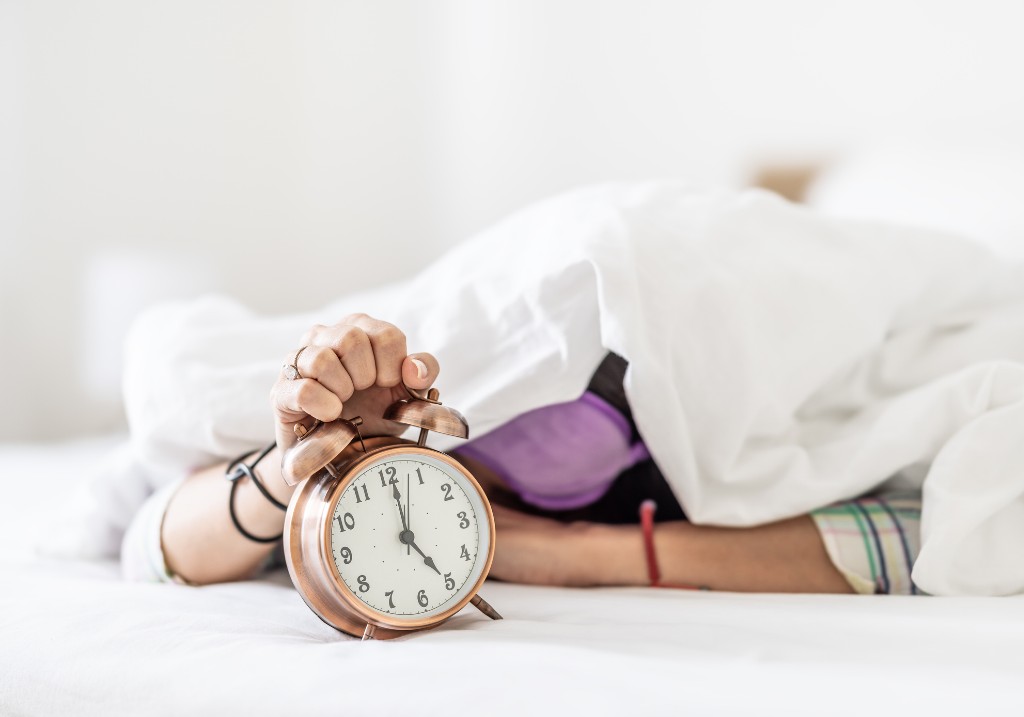
On Sunday, March 8, 2026, at exactly 2:00 a.m., the vast majority of Americans will lose an hour of sleep. Clocks will spring forward, effectively stealing sixty minutes from the weekend and shifting evening sunlight later into the day. While the shift is a predictable annual annoyance, the mechanics behind it—and the biological toll it takes—remain a point of fierce national debate. This isn't just about changing the time on your microwave; it is a systemic disruption of the human circadian rhythm that impacts everything from heart health to road safety.
Despite the ritualistic nature of the change, the 2026 shift occurs against a backdrop of stalled legislative promises. For years, politicians have campaigned on "locking the clock," yet here we are again, adjusting our internal biology to satisfy a century-old energy policy that most experts now agree is obsolete.
The Cost of a Stolen Hour
The primary argument for Daylight Saving Time (DST) has historically been energy conservation. The theory was simple: by extending daylight into the evening, people would use less artificial lighting. However, modern studies suggest this benefit is negligible at best. In fact, some data indicates that any savings in lighting are wiped out by the increased need for air conditioning during those longer, hotter summer evenings.
What is not negligible, however, is the impact on the human body. The sudden one-hour shift is not a minor adjustment. It is a form of "social jetlag" that throws the body's internal clock out of sync with the sun. Research consistently shows a spike in heart attacks, strokes, and workplace injuries in the days immediately following the spring forward. The brain, deprived of that critical hour of REM sleep, operates at a deficit.
The Monday Morning Hazard
The Monday following the time change is notoriously dangerous. Statistical evidence from the American Journal of Cardiology and other medical institutions shows a measurable increase in traffic accidents on this specific day. Drivers are more fatigued, and the morning commute is suddenly darker than it was the Friday before. This intersection of exhaustion and poor visibility creates a lethal environment on the roads.
It is a public health crisis hiding in plain sight. We accept these risks as a quirk of the calendar, but for those working in high-stakes environments—surgeons, truck drivers, air traffic controllers—the deficit is real and measurable. A sleepy pilot is a dangerous pilot, and yet we mandate this sleep deprivation by law.
The Legislative Gridlock
If the science is so clear, why are we still doing this? The answer lies in the messy reality of federal and state politics. The Sunshine Protection Act, which aimed to make DST permanent, garnered significant headlines but eventually languished in the legislative process. While the Senate passed it in a rare moment of unanimity in 2022, it stalled in the House and hasn't regained its footing.
The conflict isn't just between those who hate the change and those who love the light. It is a three-way fight between:
- Permanent Standard Time advocates: Mostly sleep scientists and doctors who argue that our bodies are naturally tuned to "solar time," where the sun is highest at noon.
- Permanent Daylight Saving Time advocates: Retailers, golf course owners, and tourism boards who want that extra hour of evening light to drive consumer spending.
- The Status Quo: The current system of switching twice a year, which persists simply because changing it requires a level of federal coordination that seems impossible in the current political climate.
States like Florida and California have already passed measures to stay on permanent DST, but they cannot legally enact them without an act of Congress. Under the Uniform Time Act of 1966, states can opt out of DST (staying on Standard Time year-round, like Arizona and Hawaii), but they cannot choose to stay on DST year-round. This creates a legal "checkmate" that keeps the clocks moving twice a year.
Economic Winners and Losers
Follow the money, and the picture becomes clearer. The retail and outdoor recreation industries are the biggest beneficiaries of the "spring forward" shift. When the sun stays up later, people are more likely to stop at a store on the way home, go out for dinner, or hit the golf course. It is an artificial extension of the shopping day.
On the other side of the ledger are the hidden costs. The drop in productivity in the week following the change is substantial. "Cyberloafing"—employees spending time on the internet instead of working because they are too tired to focus—increases significantly. When you aggregate these lost minutes across the entire American workforce, the economic hit is in the hundreds of millions.
Then there is the agricultural myth. For decades, school children were taught that DST was created for farmers. This is a total fabrication. Farmers have historically been the loudest voices against DST. Cows do not care what the clock says; they need to be milked at the same time every day. Shifting the clock only makes it harder for farmers to get their goods to market on a schedule that aligns with the rest of the world.
How to Survive the 2026 Shift
Knowing that the change is coming doesn't make it easier, but you can mitigate the damage. The key is not to wait until Sunday morning. The body can only shift its internal clock by about 15 to 20 minutes per day.
A Proactive Strategy
Instead of letting the clock "jump" on you, start shifting your schedule on Thursday, March 5. Move your bedtime and your wake-up time 15 minutes earlier each day. By the time Sunday rolls around, your body will have already adjusted to 45 of the 60 minutes you are about to lose.
Light exposure is your most powerful tool. As soon as you wake up on that first Sunday of DST, get outside. Natural sunlight suppresses melatonin production and tells your brain that the day has begun. Avoid heavy meals and caffeine late in the afternoon, as your system will already be struggling to find its footing.
The Dark Side of the Morning
While the evenings will be brighter, the mornings will be significantly darker throughout March and April. This is the trade-off that permanent DST advocates often ignore. For parents, this means children waiting for school buses in total darkness. For morning runners and cyclists, the risk of being hit by a car increases. If we were to move to permanent DST, some northern cities wouldn't see the sun rise until nearly 9:00 a.m. in the winter.
The Path to a Fix
The debate shouldn't be about whether we want light in the evening or light in the morning. It should be about whether the government has any business mandated a biannual disruption of our biological health. The data suggests that the "spring forward" is the more dangerous of the two shifts. Some experts suggest that if we must pick one, permanent Standard Time is the only choice that aligns with human biology. Others argue the economic boost of DST is too significant to ignore.
Until the federal government decides to prioritize public health over the convenience of the retail sector, we are stuck in this loop. Every March, we sacrifice our sleep and our safety for a policy that has outlived its usefulness.
Prepare your house now. Change the batteries in your smoke detectors when you change your clocks—a classic piece of advice that remains the only productive part of this entire ordeal. But as you squint into the sun at 7:00 p.m. on Sunday evening, remember that the extra light comes at a cost that isn't measured in dollars, but in the physical well-being of the nation.
Check the clocks on your non-connected devices before you go to bed on Saturday night. Most smartphones and computers will update automatically, but your car, oven, and wall clocks will still be living in the past. Correct them before you wake up to avoid the confusion of a missed appointment or a late start to an already difficult Monday.