The desk lamp flickers in a small apartment in suburban Ohio, casting a long shadow over a pile of utility bills. Across the world, in a gilded room in Vienna, a group of diplomats gathers their papers, clicks their briefcases shut, and walks out into the cool evening air. They aren't thinking about the flickering lamp in Ohio. They are thinking about "regional security frameworks" and "centrifuge capacities."
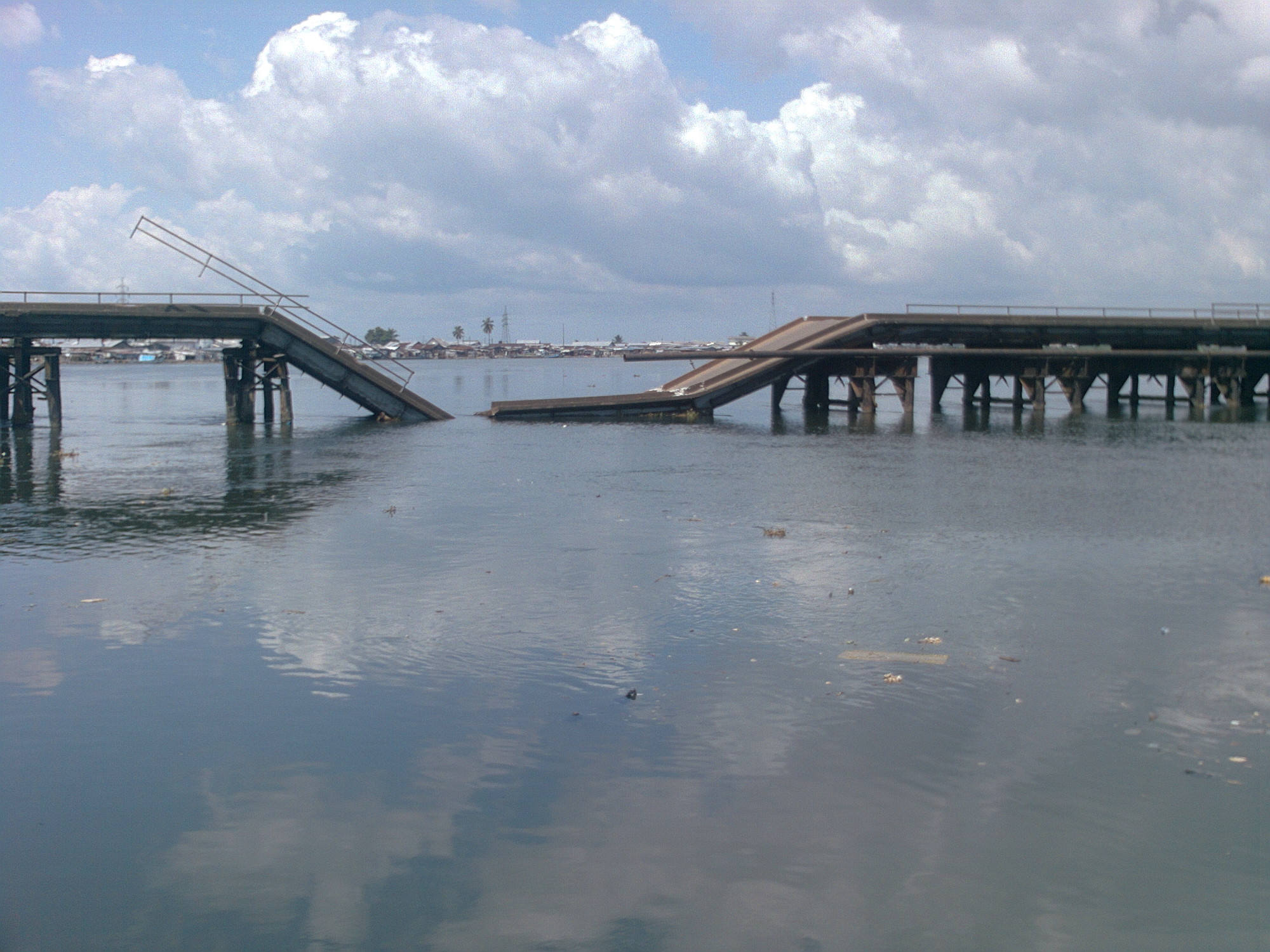
But the bridge has collapsed. The peace talks have stalled. And now, the world is beginning to burn a much more expensive grade of fuel.
Brent crude oil just crossed the $107 per barrel mark. It sounds like a dry statistic, a ticker tape scrolling across the bottom of a financial news network. In reality, it is a silent thief. It is the reason a local trucking company owner stays awake at 3:00 AM, staring at the ceiling, calculating the exact moment his business becomes a charity. It is the weight in the stomach of a single parent watching the numbers climb at the gas pump—$50, $60, $70—praying the clicking sound happens before they run out of grocery money.
The Ghost at the Negotiating Table
For months, the market lived on a diet of hope. Traders and analysts leaned in, whispering about a "return to normalcy." The script was simple: Iran and the West would sign a deal, the sanctions would lift, and a million barrels of Persian oil would flood back into the parched veins of the global economy.
Markets thrive on certainty. They can handle bad news, but they cannot handle a void.
When the talks in Vienna hit a wall, that void opened wide. The stalled negotiations aren't just a failure of diplomacy; they are a supply shock waiting to happen. Iran sits on some of the largest oil and gas reserves on the planet. To the energy market, that untapped oil is a ghost—a savior that everyone expected to show up, who suddenly decided to stay home.
Without that Iranian supply, the math of the world changes. We are living in a period where demand is screaming. People are flying again. Factories are humming. The world wants to move, but the fuel to move it is trapped behind a wall of geopolitical stubbornness. When the news broke that the talks had hit a stalemate, the price didn't just rise. It leaped. It was the sound of a billion-dollar realization: help is not coming.
The Invisible Pipeline of Pain
To understand why $107 oil matters, you have to look past the gas station.
Imagine a hypothetical farmer named Elias. Elias doesn't track Brent crude prices on his phone. He tracks the cost of fertilizer. Most people don't realize that fertilizer is essentially "solidified" natural gas and oil. When the base price of energy spikes, the cost of growing corn in Iowa or wheat in Ukraine spikes along with it.
The $107 per barrel price tag is a heavy, invisible tax on every slice of bread and every gallon of milk. It moves through the economy like a slow-motion wave. First, the transport companies feel it. Then, the wholesalers. Finally, it lands on your dinner table.
This is the "energy density" of modern life. We are essentially eating oil. We are wearing it in our synthetic fabrics. We are sitting on it in our plastic chairs. When the diplomats walk away from the table in Vienna, they aren't just failing to sign a piece of paper; they are raising the cost of existence for everyone who isn't in that room.
The Psychology of the Spike
Volatility is a fever.
When oil stays at a stable price—even a high one—businesses can plan. They can hedge. They can adjust. But when oil jumps because of a political breakdown, it triggers a different kind of behavior: hoarding.
Airlines start buying fuel futures in a panic. Shipping conglomerates scramble to lock in rates. This creates a feedback loop. The fear of higher prices actually drives the prices higher. It’s a self-fulfilling prophecy of scarcity.
Consider the "risk premium." This is the extra amount of money investors pay just because they are afraid of what might happen tomorrow. Right now, that premium is massive. Every time a headline mentions "stalled talks" or "increased tensions," the risk premium grows. We aren't just paying for the oil we use; we are paying for the fear that we might not have enough tomorrow.
The Long Road to Nowhere
The tragedy of the stalled Iran talks is that there is no "Plan B."
OPEC+, the group of oil-producing nations that holds the most sway over the taps, has been hesitant to open the valves further. They have their own reasons—infrastructure limits, political leverage, a desire to make up for the lean years when oil was dirt cheap. They aren't coming to the rescue.
The United States has tried to tap into its Strategic Petroleum Reserve, but that is like trying to put out a forest fire with a garden hose. It provides temporary relief, a brief cooling of the skin, but it doesn't address the underlying heat.
The reality is that the global energy system is a brittle machine. It was built for a world of cooperation and "just-in-time" delivery. It was not built for a world where the two largest producers are either sanctioned or at a diplomatic impasse.
We are currently witnessing a collision between the old world of fossil fuel dependence and a new world of geopolitical fragmentation. The result is a $107 barrel of oil that acts as a giant brake on the global recovery.
The Human Cost of a Stalled Pen
Back in that apartment in Ohio, the light stays on. The bills get paid, but something else is lost.
Maybe it’s the family vacation that gets canceled. Maybe it’s the small business that decides not to hire an extra hand this year. Maybe it’s the sense of security that comes from knowing you can afford to get to work.
These are the "externalities" of diplomacy. They don't show up in the official communiqués. They aren't mentioned in the press conferences. But they are the most real thing about the $107 price tag.
We often talk about "the economy" as if it were a weather system—something that just happens to us. But the price of oil is a reflection of human choices. It is a reflection of the trust that exists, or fails to exist, between nations.
When that trust breaks down, we all pay the bill.
The ink has dried on the pens of the negotiators, but the pens haven't touched the paper. Until they do, the ghost of Iranian oil will continue to haunt the markets, and the rest of us will continue to watch the numbers climb, wondering when the fire will finally burn itself out.
The bridge is still out. The road is getting darker. And the cost of the journey has never been higher.
There is a specific kind of silence that follows a failed negotiation. It is the sound of a million engines idling, waiting for a signal that never comes, while the meter keeps running.